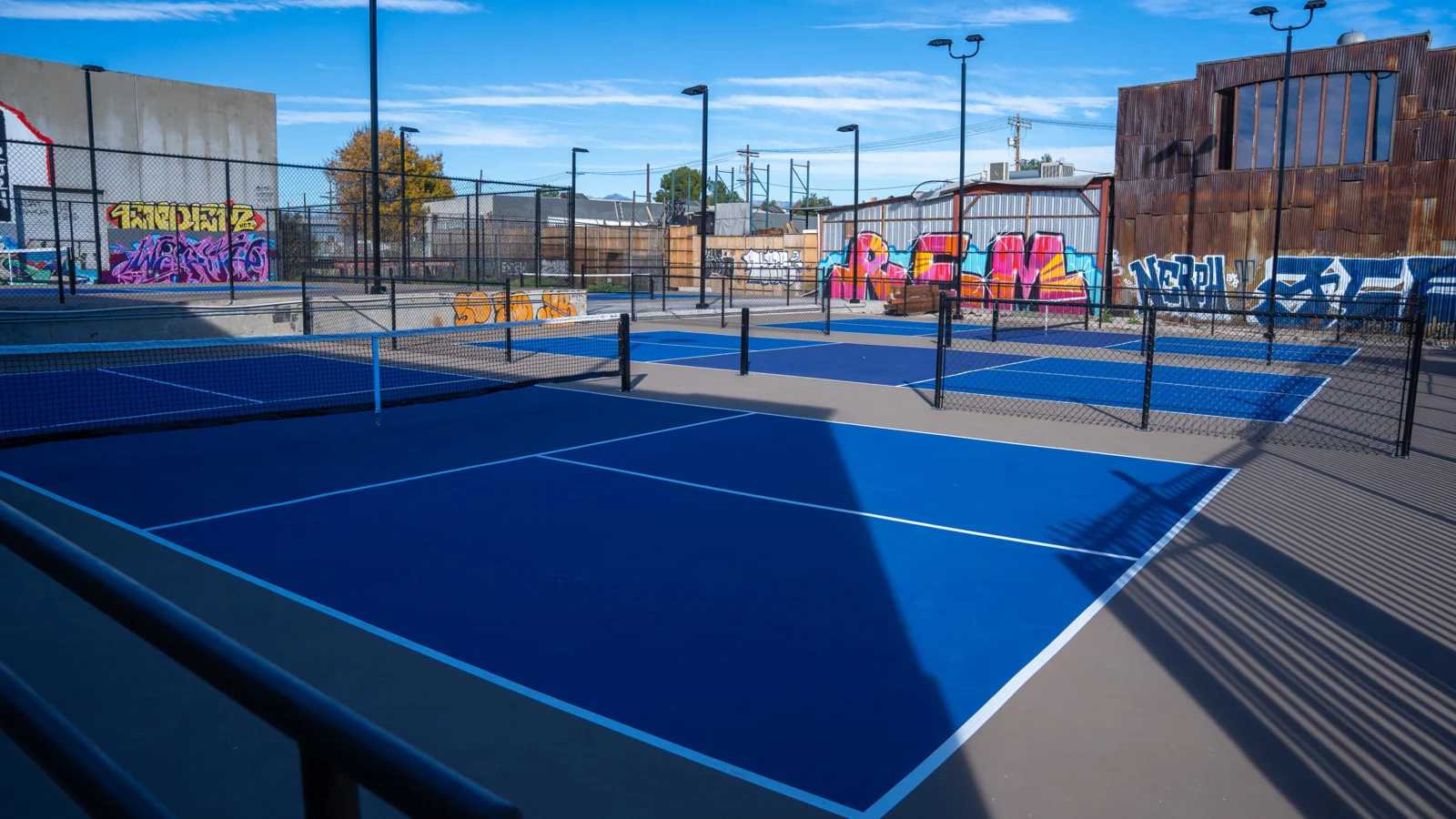
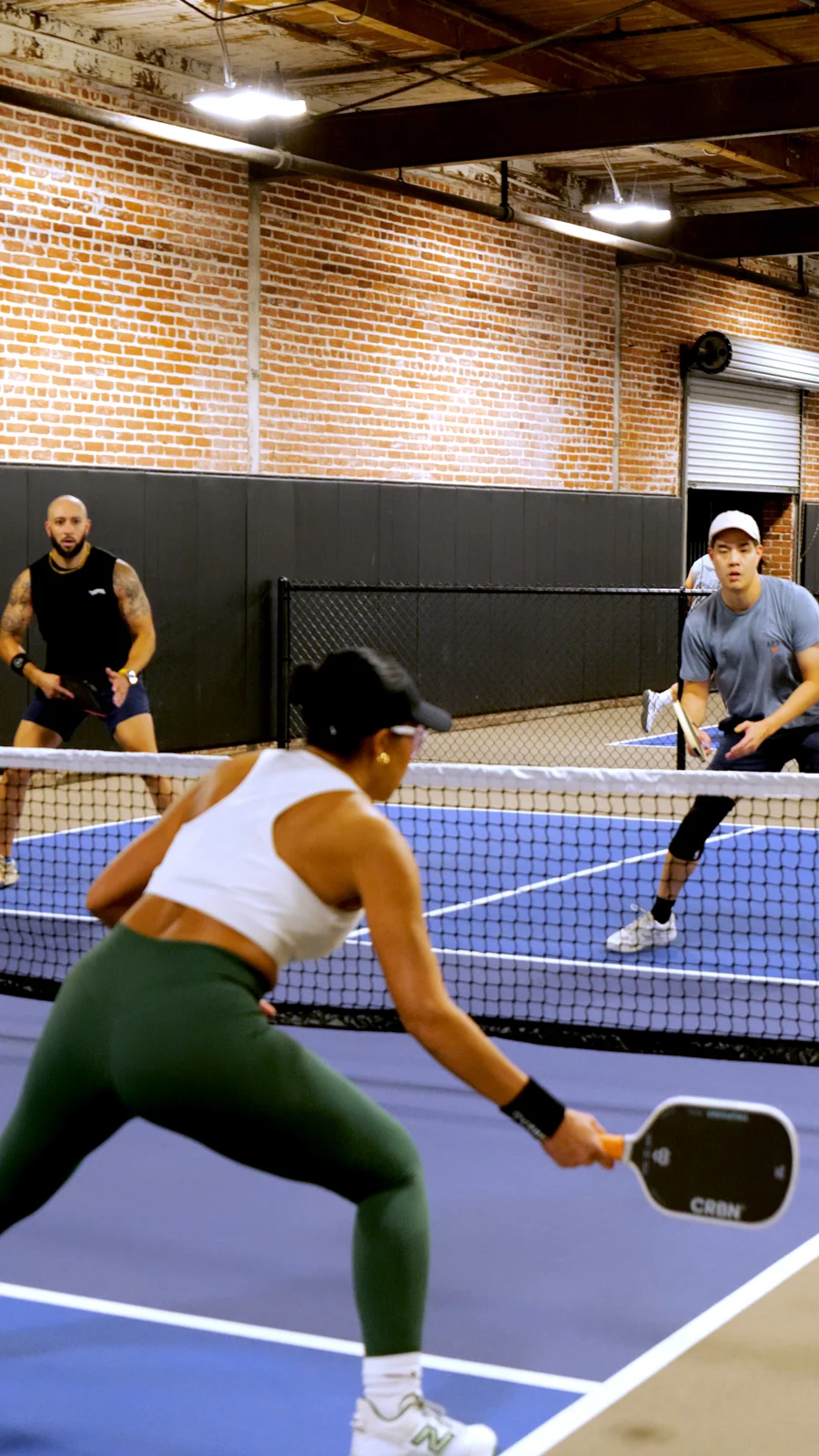
Los Angeles is planning for both games.
The same LA Recreation and Parks committee chair who explained the Hermon Park conversion also laid out the department's longer-term math: roughly a third of the city's free courts already dedicated to pickleball, with more standalone facilities planned so tennis never has to lose ground.
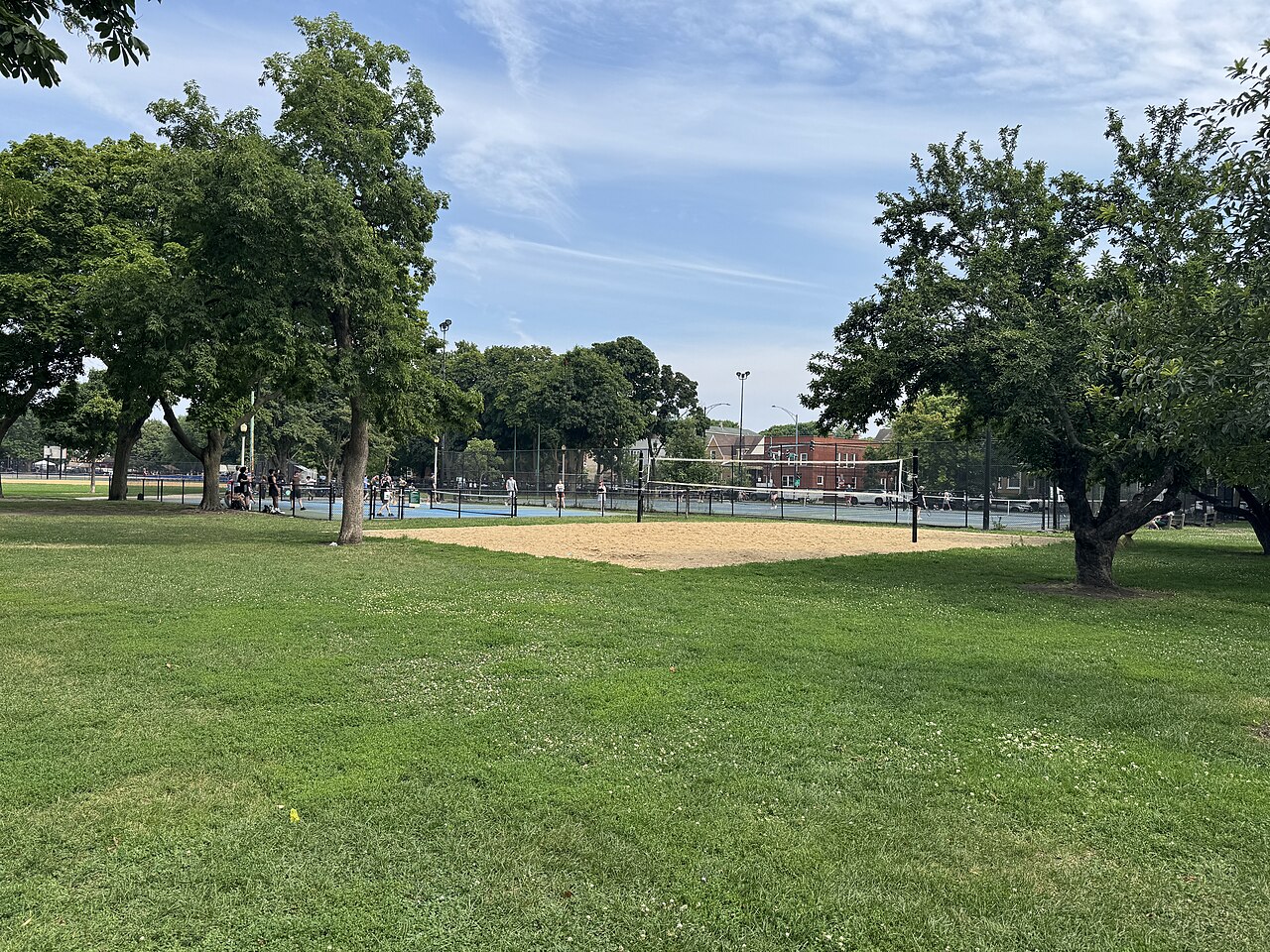
Every city adding pickleball eventually has to answer the same question: does it take space from tennis, or build new space? Los Angeles' Recreation and Parks department has a stated answer, and it comes with real numbers attached to it.1
The city's stated strategy
Juan Aynat, who chairs the department's pickleball committee, described a strategy that has already shifted once. The original approach was a "hybrid" model — tennis and pickleball sharing the same striped court. The department is now moving toward dedicated, standalone pickleball facilities instead, precisely so that adding pickleball doesn't mean subtracting tennis.1 "We are definitely headed in the direction of just doing dedicated facilities," he said.1
That shift is already visible on the ground: four dedicated pickleball courts opened in Porter Ranch the previous summer, built as new facilities rather than converted tennis courts.1
The numbers behind the strategy
As of the department's own accounting, Los Angeles has roughly 20 dedicated, lighted pickleball courts among about 60 total free courts citywide.1 Where new dedicated courts aren't yet available, demand still drives conversions — Aynat pointed to Montecito Heights Recreation Center's two pickleball courts as insufficient for the surrounding area's demand, which is part of why nearby Hermon Park became a conversion target.1
What the department says to tennis players
Aynat's message to the tennis community was direct rather than dismissive: "We have heard the voices of the tennis community. But we have way more tennis courts, obviously."1 That's an acknowledgment that the two sports aren't actually competing for equal footing today — tennis still holds the larger share of the city's court inventory, even as pickleball's dedicated share grows.
Municipal Planning & Facility Capital Horizons
Beyond the immediate scheduling schedule, this facility illustrates the broader capital equation facing modern municipal planners. Converting public asphalt to dedicated court layouts is no longer an isolated park experiment; it represents a fundamental re-rating of recreational space efficiency.1 Where traditional tennis layouts support four players across 7,200 square feet, a multi-court pickleball footprint accommodates sixteen or more concurrent participants, quadrupling hourly throughput while concentrating court-wear dynamics on high-friction zones.1
For city agencies and concession operators, the ongoing operational bottleneck remains sound ecology and off-peak throughput management. High-frequency paddle impact at 1.2 kHz requires deliberate acoustic buffering, and the surrounding neighborhood stakeholders increasingly demand sound-mitigation curtains, verified decibel monitoring, and structured ladder rotations before greenlighting additional capital permits.1 As public recreation departments balance dedicated access against legacy court reservations, this location serves as a critical benchmark for urban density planning across the regional sports network.1
Sources
Every fact above comes from these public pages. Open the original to check it, or to read further.
Chapter 03 · Los AngelesRead it in the issue →