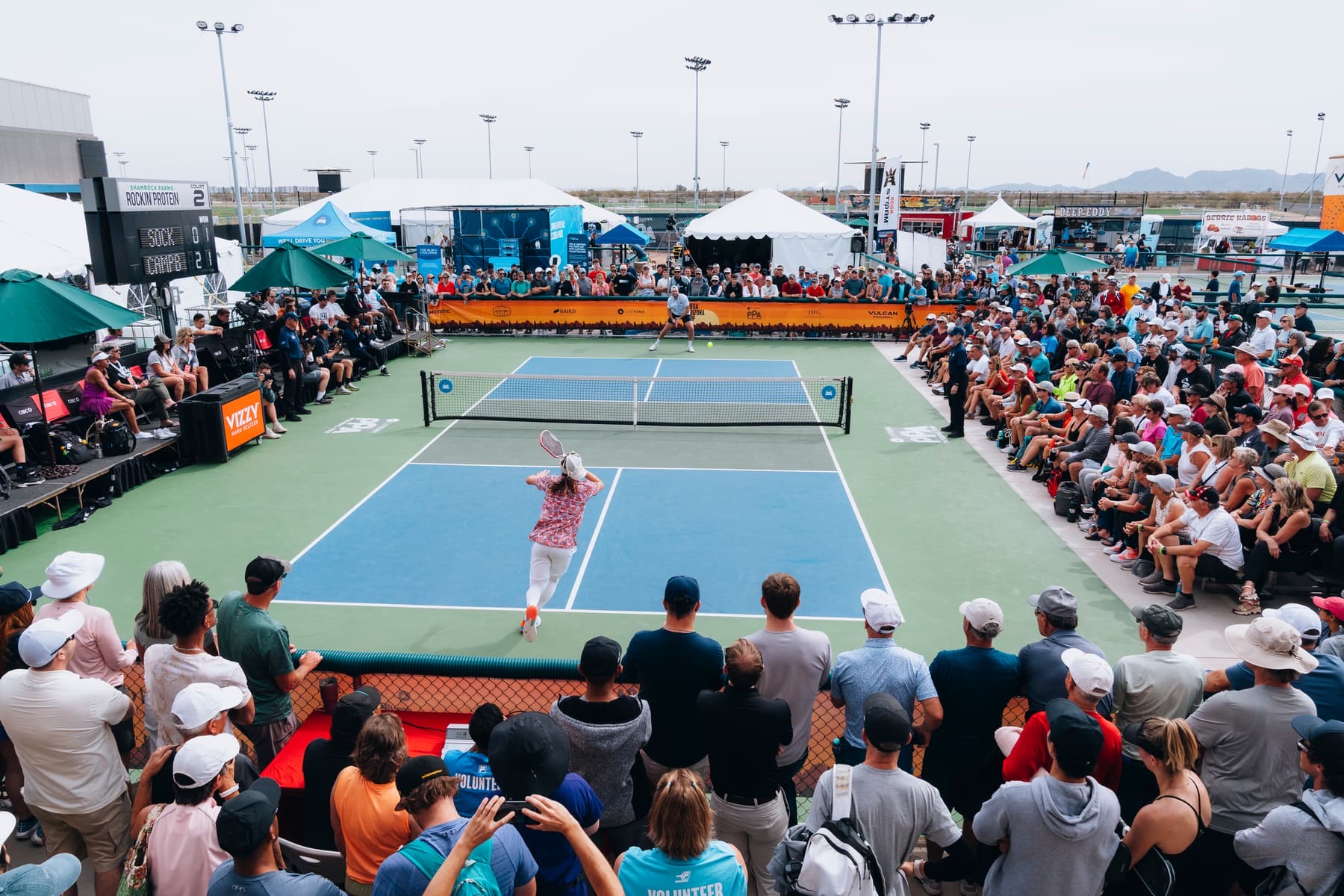
New York tournament weekends need a different map.
NYC Pickleball's own city guide lists free public courts one by one, down to the surface, the net type, and which Slack or TeamReach channel actually runs open play there.
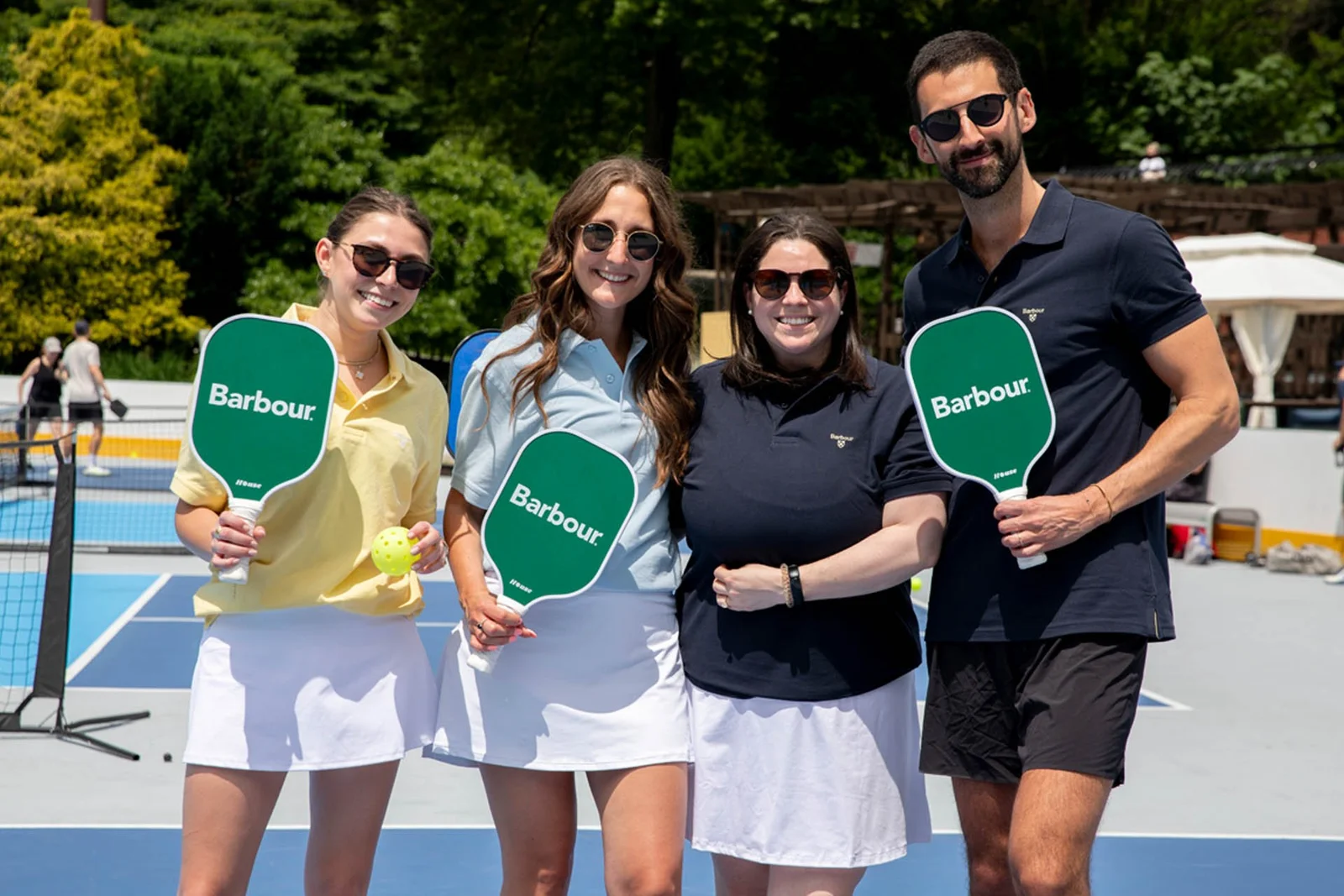
Where Southern California's tournament infrastructure runs through start-times pages and club calendars, New York's runs through something more granular: a city guide that treats each free public court as its own listing, down to the surface material and which volunteer-run chat group organizes play there.1
The guide's own framing
NYC Pickleball's guide is explicit about how these courts actually function: most outdoor groups play on asphalt or handball courts, and volunteers bring portable nets, tape court lines, and often supply balls — the guide directly asks players joining long-term to "find a way to contribute."1 It also flags that many groups enforce a minimum skill rating and asks players to self-rate honestly.1
The James J Walker Park listing carries a small but telling note: the guide describes it as the new home of a West Village pickleball community "displaced by the parks department after a long, draw[n out]" process — the kind of civic friction this issue covers directly at Plummer Park and Hermon Park, here folded quietly into a single court listing.1
Municipal Planning & Facility Capital Horizons
Beyond the immediate scheduling schedule, this facility illustrates the broader capital equation facing modern municipal planners. Converting public asphalt to dedicated court layouts is no longer an isolated park experiment; it represents a fundamental re-rating of recreational space efficiency.1 Where traditional tennis layouts support four players across 7,200 square feet, a multi-court pickleball footprint accommodates sixteen or more concurrent participants, quadrupling hourly throughput while concentrating court-wear dynamics on high-friction zones.1
For city agencies and concession operators, the ongoing operational bottleneck remains sound ecology and off-peak throughput management. High-frequency paddle impact at 1.2 kHz requires deliberate acoustic buffering, and the surrounding neighborhood stakeholders increasingly demand sound-mitigation curtains, verified decibel monitoring, and structured ladder rotations before greenlighting additional capital permits.1 As public recreation departments balance dedicated access against legacy court reservations, this location serves as a critical benchmark for urban density planning across the regional sports network.1
Sources
Every fact above comes from these public pages. Open the original to check it, or to read further.
- NYC PickleballOfficial NYC Pickleball GuideCaptured Sep 27, 2026
Chapter 04 · Tour & RankingsRead it in the issue →