Arizona opens the new season with 1,000 points.
The Veolia Arizona Open in Mesa was the first open of the PPA season, the first event where the new World Pickleball Rankings decided the byes, and it came with desert heat and fresh partnerships.
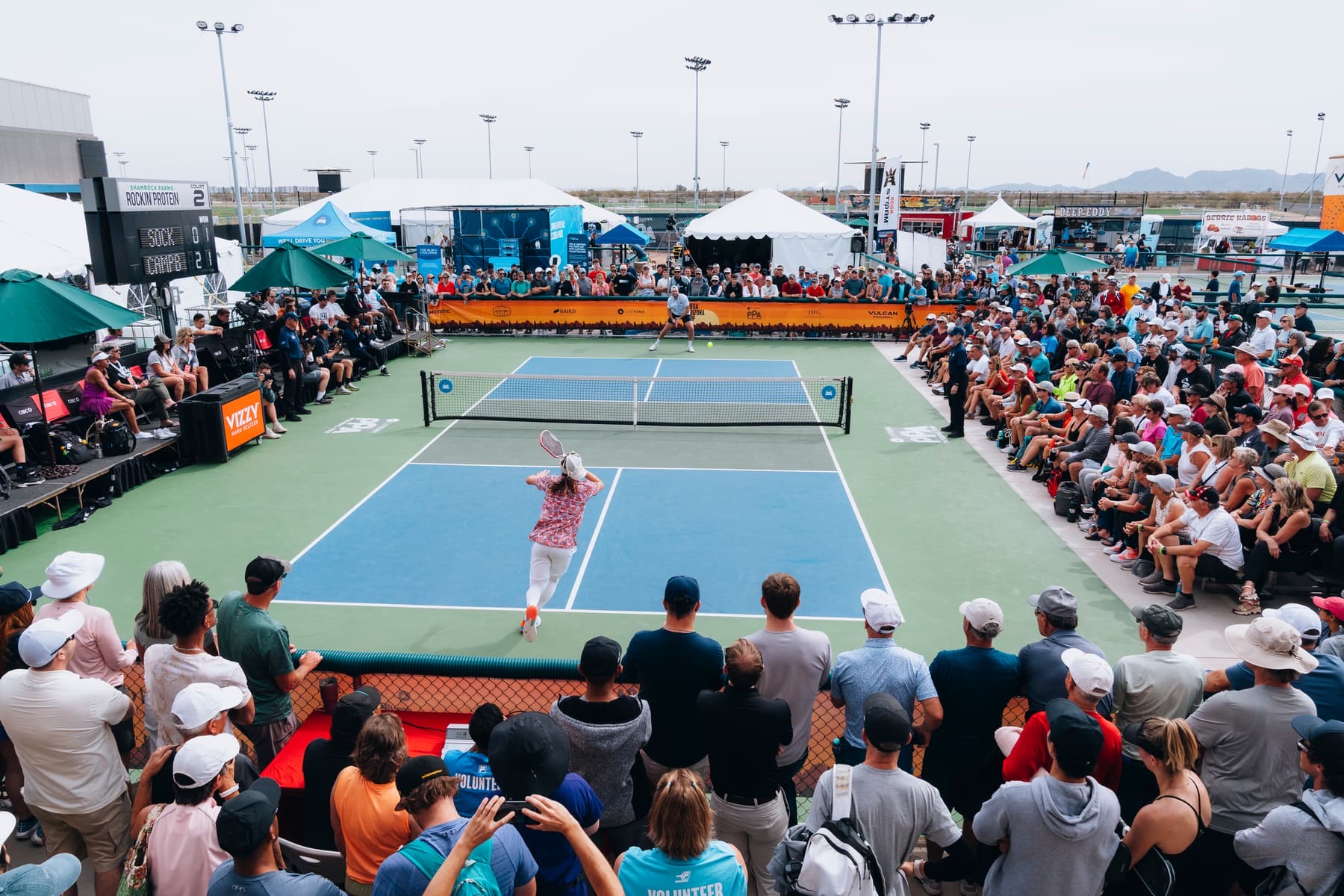
The PPA Tour’s new season reached its first open in Mesa, Arizona, from September 14 to 20, 2026. The Veolia Arizona Open was worth 1,000 ranking points and, according to the tour’s preview, was the first event at which the World Pickleball Rankings decided the byes: the top four players or teams in each draw went straight to the round of 16.1
It was the second event of the new season and the tour’s second visit to Mesa in calendar year 2026. It was also a return to the city where the PPA started in 2020, though not to the same venue.1 The forecast called for highs above 100 degrees.
How the week was built
The pro draws used a progressive format, with one round per bracket per day and no bronze-medal matches.1 That matters for anyone watching from home, because each day’s TV window shows a single round rather than a pile of matches. Coverage ran on PickleballTV from 5 p.m. Eastern, Thursday through Sunday, with FS1 on Friday and Sunday nights and FS2 on Saturday night.1
Women’s singles: the streak and the challenger
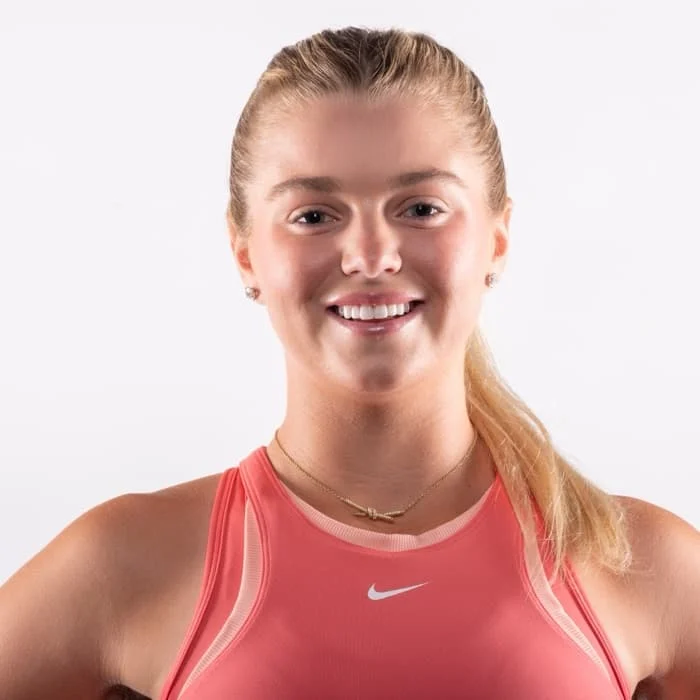
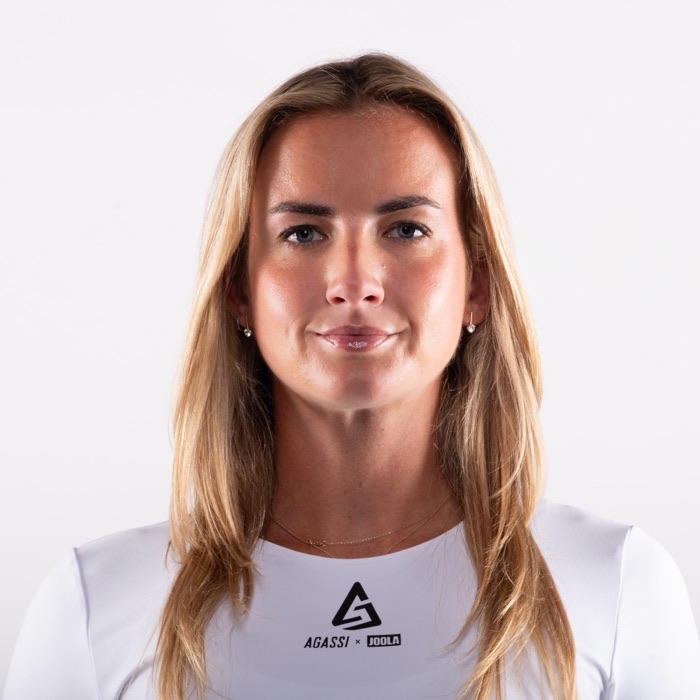
The top four seeds were Anna Leigh Waters, Kate Fahey, Kaitlyn Christian and Brooke Buckner.1 Waters arrived with an unbeaten run the tour put at two years, three months and 18 days. She entered only singles and mixed, so there was no triple-crown chance this time.1 Fahey, now firmly the No. 2 singles player, had pushed Waters to 11–9 in game two of the final in North Carolina the week before.1

Men’s singles: a wide-open top four
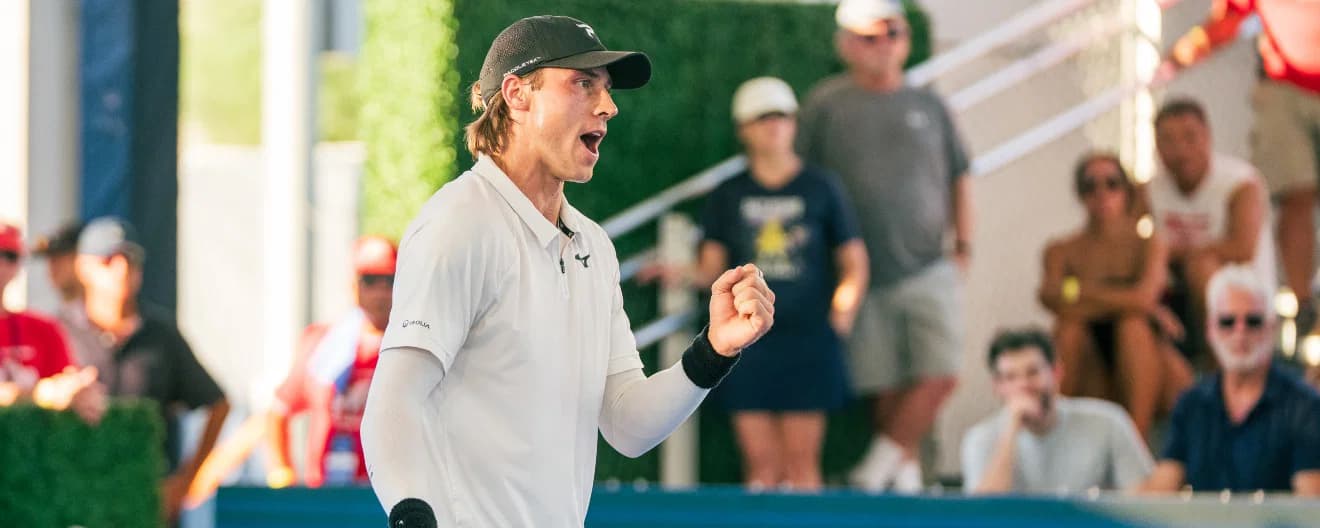
Chris Haworth, Federico Staksrud, Hunter Johnson and Christian Alshon were the top four seeds.1 Johnson came in as the most recent winner, having beaten both Haworth and Staksrud on his way to the North Carolina title.1 Ben Johns, seeded 22nd in singles, still received a bye into the round of 16 because of his world ranking, which put a possible quarterfinal against his own doubles partner, Staksrud, on the board.1
The doubles draws: new partners everywhere
Partnerships were the real storyline. In men’s doubles, Gabe Tardio was out of the country, so Staksrud stepped in next to Ben Johns for the first time, and the pair took the top seed.1 Collin Johns and Hunter Johnson were drawn in the same quarter. Alshon and Andrei Daescu, the No. 2 team, had reached the final in North Carolina. JW Johnson, Hayden Patriquin and Tama Shimabukuro did not play.1
In mixed, Waters and Johns were top seeds but have a mixed record on this championship court: they did not win it in 2025 or in February 2026, and last won it in 2024. Catherine Parenteau and Jonathan Truong played together for the first time.1 In women’s doubles, Rachel Rohrabacher and Parris Todd were top seeds, with Rohrabacher hoping to take gold to her wedding on September 26. Anna Bright and Jorja Johnson were not in the tournament.1
Why we stop at the preview
This issue’s reporting window closed on September 20, the final day in Mesa. We have not added results we did not see published inside that window, and we won’t guess them. For the finals and full draws, the PPA Tour’s own event coverage is the record.1
Competitive Meta & Biomechanical Reset Dynamics
At the professional championship tier, this dynamic highlights a macro shift in how tour players construct points from the transition zone. As paddle face dwell times decrease and power-core carbon fiber compositions accelerate ball speeds toward 65 mph, winning margins are determined not by baseline groundstrokes but by 0.19-second reflex exchanges at the non-volley zone line.1 Tactical video breakdown confirms that top-seeded competitors are systematically prioritizing aggressive counter-punches over defensive resets, forcing opponents to speed up from disadvantageous low-contact heights.1
This evolution has triggered a parallel restructuring of athlete training regimens and commercial brand alignment. Tour pros now operate specialized movement labs with high-speed optical tracking, calibrating paddle balance weights to within tenths of an ounce while managing heavy tournament schedules across national circuits.1 As commercial endorsement portfolios expand into footwear, nutritional recovery, and regional club franchises, top athletes are establishing durable enterprise equity across the evolving professional sports landscape.1
Sources
Every fact above comes from these public pages. Open the original to check it, or to read further.
- Carvana PPA TourStorylines for the Veolia Arizona OpenSep 9, 2026
Chapter 04 · Tour & RankingsRead it in the issue →