DUPR is a rating, not a horoscope.
DUPR's own explanation of its algorithm is more specific than most players assume: a modified Elo system that weighs victory, match type, and opponent strength — not a mystical read on how good you "really" are.
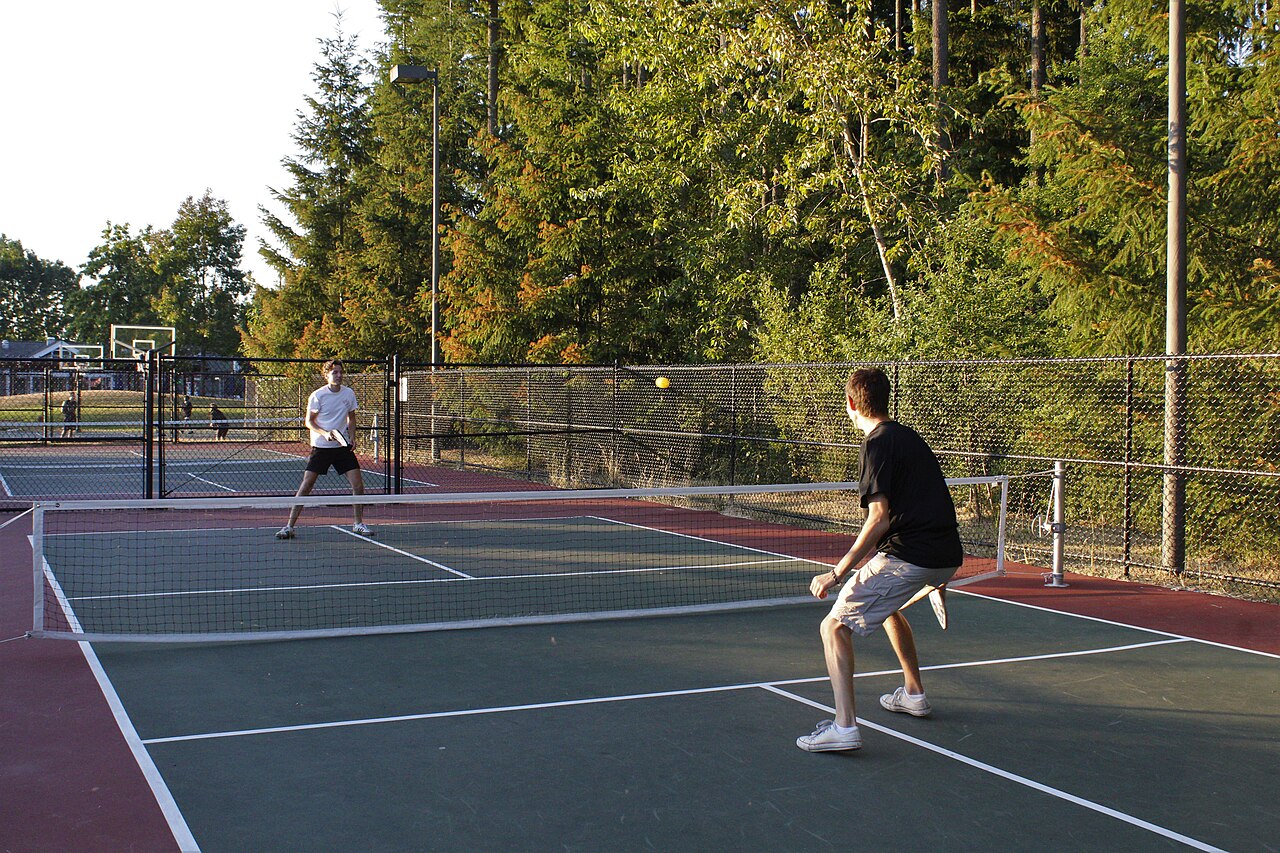
A DUPR number gets treated, casually, almost like a personality read — "a 3.5" carries social weight at a club night the way an astrological sign does at a party. DUPR's own published methodology is much more mechanical than that reputation suggests.1
What the algorithm actually weighs
DUPR describes itself as a modified Elo algorithm, updating a player's existing rating based on three specific factors: whether you won or lost, what type of result it was, and the rating gap with your opponent.1 Tournament, league and club-verified match results count twice as much toward your rating as a self-reported recreational game.1 Beat a higher-rated opponent, and your rating rises more than it would beating someone rated below you — and the reverse is true on a loss.1
How a brand-new player gets started
A first-time player starts at "NR" — Not Rated — and enters a 7-day "initialization" window.1 Every match during that window counts only toward the new player's own rating, not their opponents', until they accumulate three "points" of match value or the week lapses; players who don't reach three points in time get a provisional "best guess" rating instead.1 Match value itself scales with how well-known the other players in the match already are to the system.1
Competitive Meta & Biomechanical Reset Dynamics
At the professional championship tier, this dynamic highlights a macro shift in how tour players construct points from the transition zone. As paddle face dwell times decrease and power-core carbon fiber compositions accelerate ball speeds toward 65 mph, winning margins are determined not by baseline groundstrokes but by 0.19-second reflex exchanges at the non-volley zone line.1 Tactical video breakdown confirms that top-seeded competitors are systematically prioritizing aggressive counter-punches over defensive resets, forcing opponents to speed up from disadvantageous low-contact heights.1
This evolution has triggered a parallel restructuring of athlete training regimens and commercial brand alignment. Tour pros now operate specialized movement labs with high-speed optical tracking, calibrating paddle balance weights to within tenths of an ounce while managing heavy tournament schedules across national circuits.1 As commercial endorsement portfolios expand into footwear, nutritional recovery, and regional club franchises, top athletes are establishing durable enterprise equity across the evolving professional sports landscape.1
Sources
Every fact above comes from these public pages. Open the original to check it, or to read further.
- DUPRWhat Is DUPR? How the rating is calculatedCaptured Sep 28, 2026
Chapter 04 · Tour & RankingsRead it in the issue →