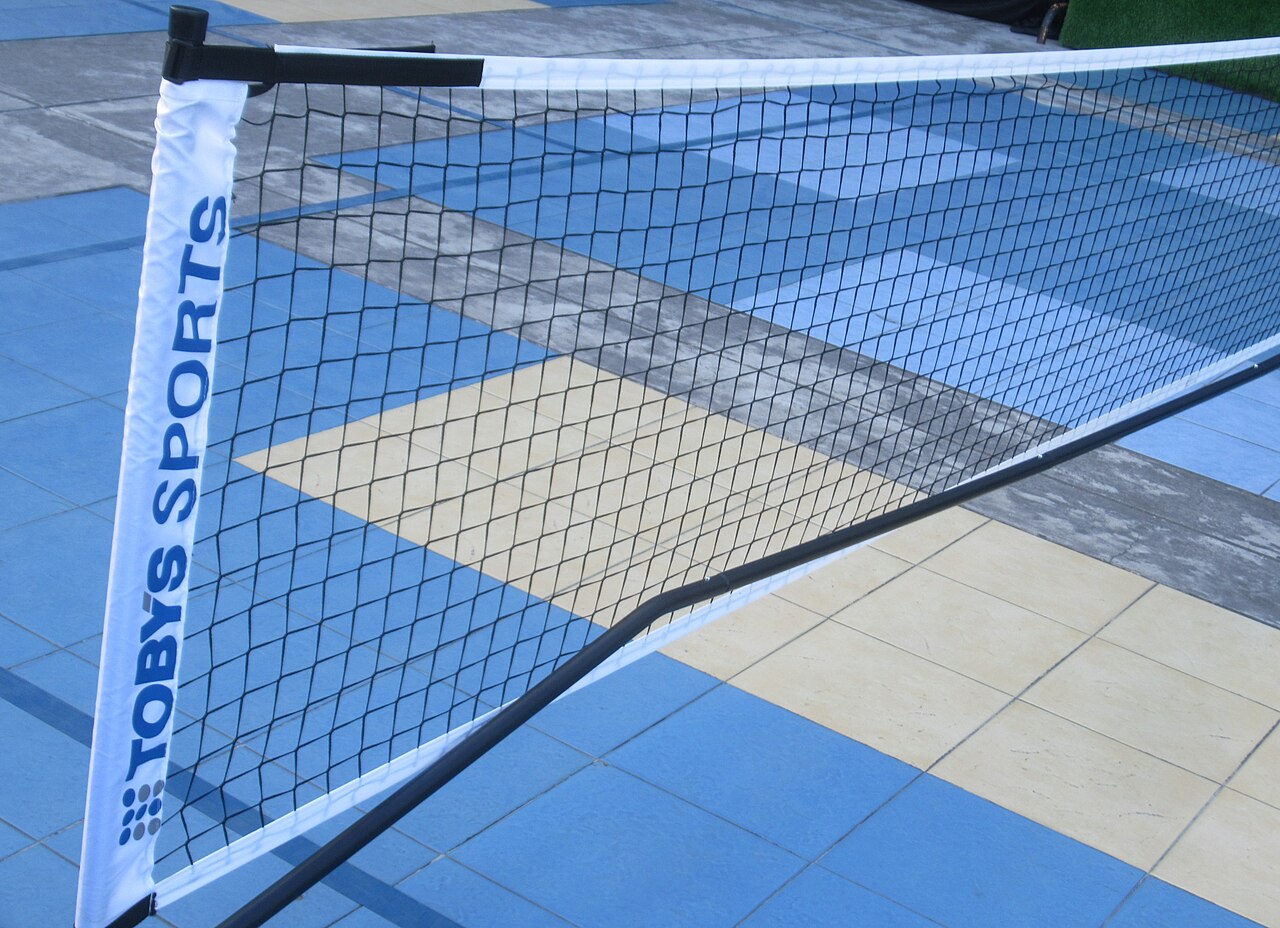
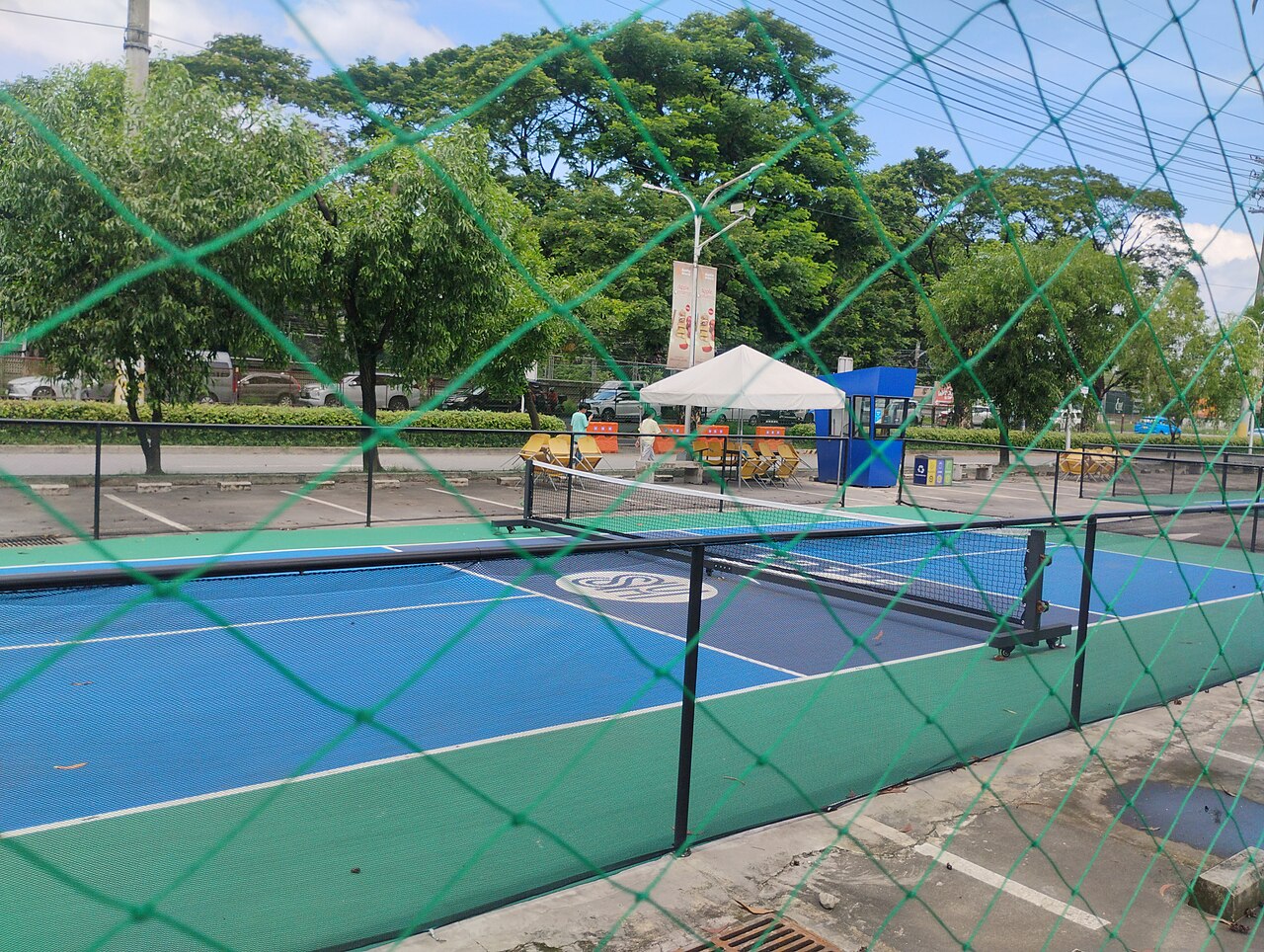
A thumbnail should answer before the headline does.
Pickleball media outlets have learned the same lesson sports media learned decades ago: a thumbnail's job is to answer a reader's question in half a second, before they've even read the headline.
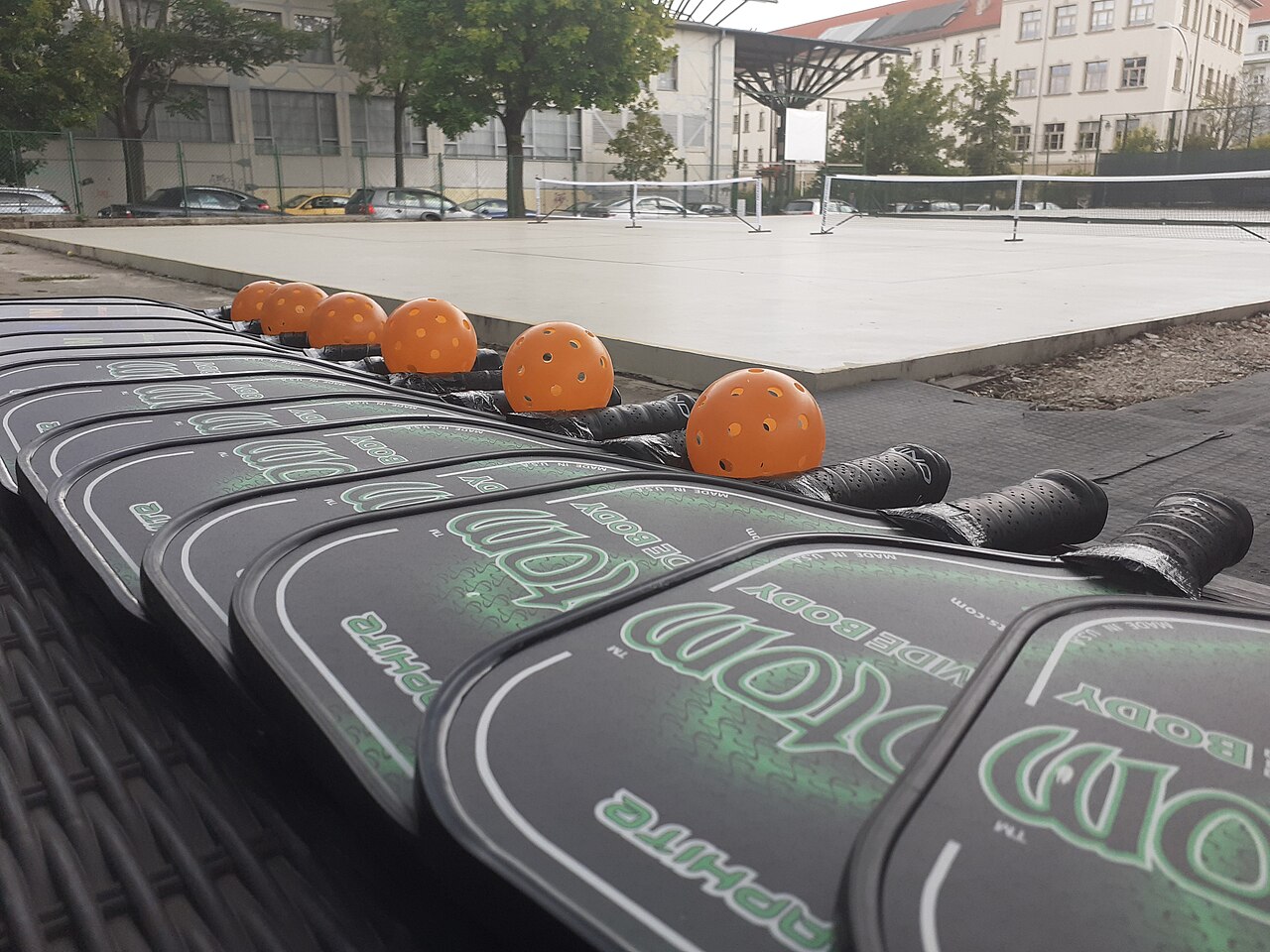
Scroll through any established pickleball outlet's news feed and the pattern is consistent: the thumbnail image is doing real communicative work, not just decoration.12 A reader scanning a list of ten headlines decides which one to click based on the image first, often before the headline registers at all.
That's the same principle this issue applies to every photo caption throughout its pages: state plainly what the reader is looking at — the actual place, the actual person, or an honest "reference photo" label when it isn't the specific subject — rather than letting an attractive but vague image imply more specificity than it delivers.3
This issue's own production followed that standard throughout: every figure and portrait was captioned with what it actually shows, and any photo that couldn't be confirmed as the real subject — rather than a generic or mismatched stand-in — was left out entirely, including several candidates that were dropped specifically for showing the wrong city or the wrong event.
Materials Science & Equipment Durability Lab
The technical realities of modern court gear reflect an increasingly sophisticated materials science landscape. Under repeated mechanical impact, polymer honeycomb cores and raw carbon fiber weave surfaces undergo micro-delamination that alters surface friction and rotational spin rates over time.1 Laboratory testing demonstrates that ambient relative humidity and court temperature significantly shift ball rebound compression, requiring serious competitors to adjust paddle tension and grip textures between morning and evening sessions.1
Furthermore, equipment certification standards established by governing sanctioning bodies have tightened allowable roughness and surface deflection thresholds. Manufacturers are investing heavily in thermoformed edge walls and foam-injected perimeters to expand the effective sweet spot while maintaining strict regulatory compliance.1 For both teaching professionals and club tournament regulars, tracking paddle degradation curves has become an essential aspect of competitive performance and injury prevention.1
Sources
Every fact above comes from these public pages. Open the original to check it, or to read further.
- Pickleball MagazinePickleball Magazine homeCaptured Sep 27, 2026
- The Dink PickleballThe Dink Pickleball: news and cultureCaptured Sep 27, 2026
- Dink Digest desk notePhoto captioning standardSep 2026
Chapter 08 · Desk Notes & Next IssueRead it in the issue →