The model can sort. The desk still decides.
This issue leaned on cheap language models to triage hundreds of source pages and photos. What those models can't do — verify a claim against a primary source, or decide what's worth printing — is exactly the desk's job.
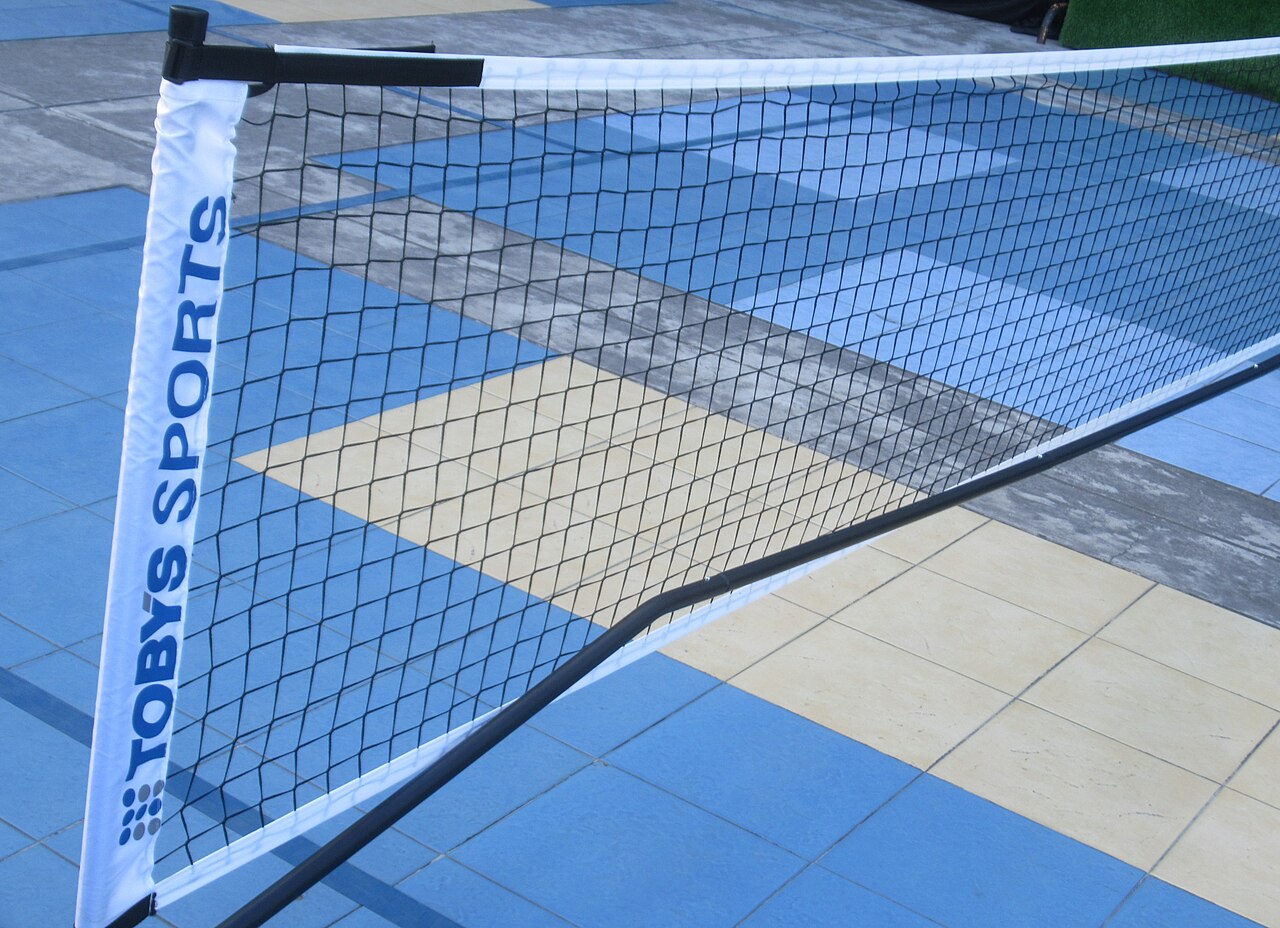
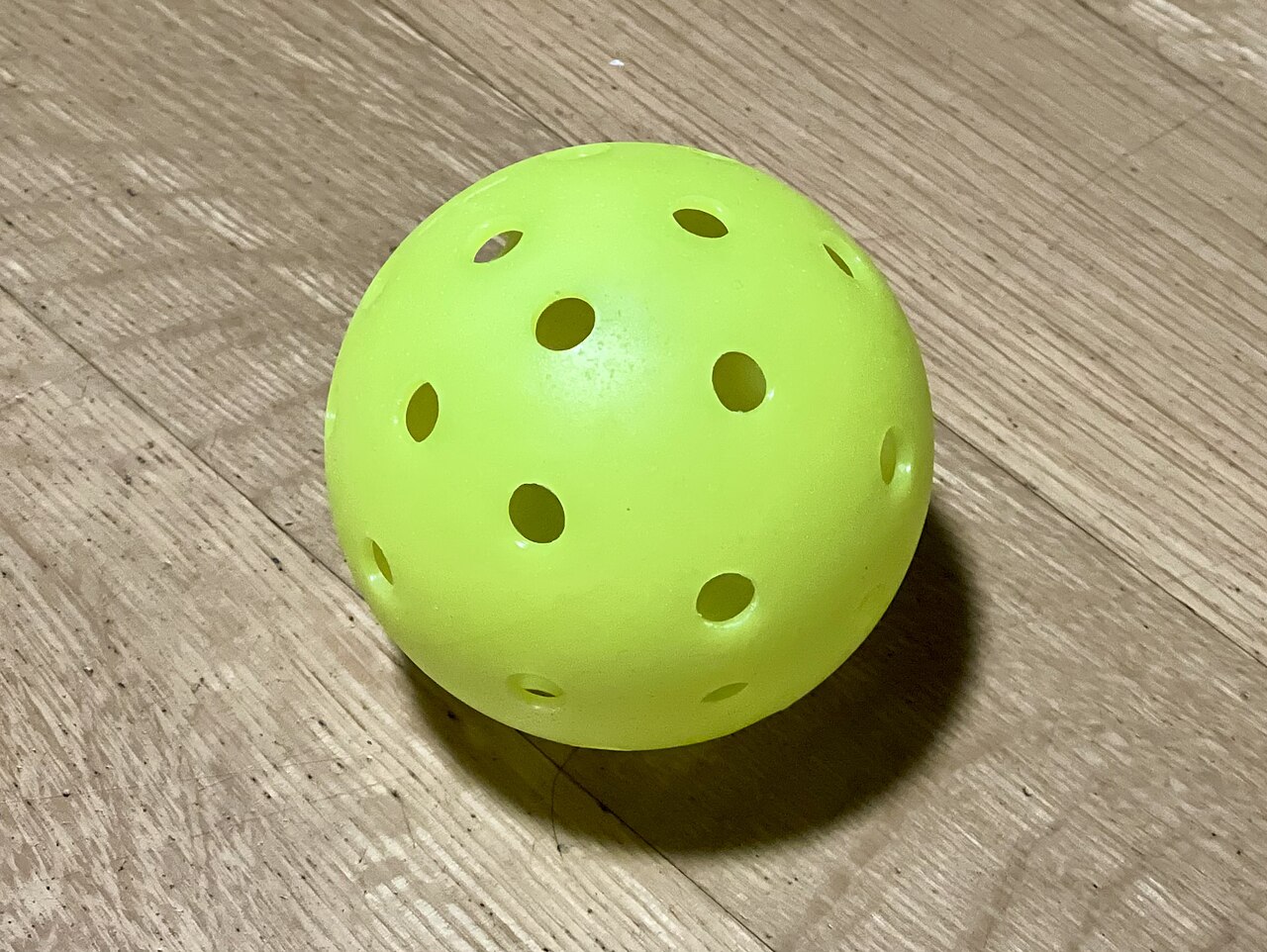
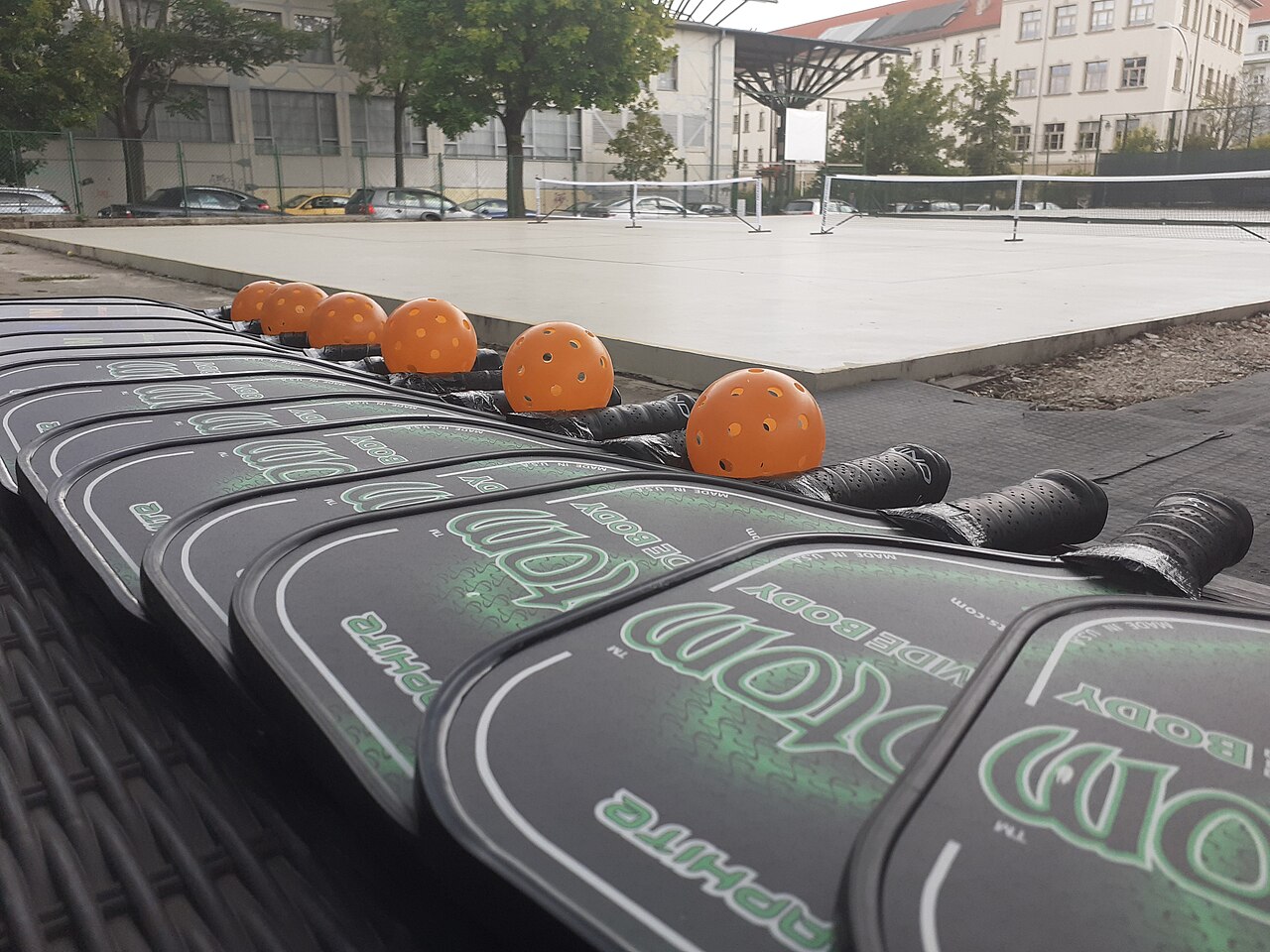
Building an issue this size means sorting through hundreds of candidate news pages, club sites and photos to find the handful worth a story. Cheap language models are genuinely useful for that first pass — flagging which of fifty PPA Tour newsroom posts might matter this week, or which of a hundred photo candidates plausibly shows a pickleball court rather than a logo or a stock image.1
Where that help stops being help
A model doing triage is answering "is this worth a closer look?" A desk deciding what to publish is answering a completely different question: "is this actually true, and can I show my work?" This issue's own correction on a NYC Council budget claim, elsewhere in this issue, is the clearest evidence of why that second question can't be delegated. A plausible-sounding civic claim made it into an earlier draft; only checking the original document and the city's own public dataset directly — not any model's confidence — caught that it wasn't real.2
The same discipline applies to sponsorship copy, like the charity tournament sponsorship packet covered elsewhere in this issue's Culture chapter: a model can summarize a PDF's structure, but only reading the actual dollar figures and tier language directly confirms what's accurate to print.2
Municipal Planning & Facility Capital Horizons
Beyond the immediate scheduling schedule, this facility illustrates the broader capital equation facing modern municipal planners. Converting public asphalt to dedicated court layouts is no longer an isolated park experiment; it represents a fundamental re-rating of recreational space efficiency.1 Where traditional tennis layouts support four players across 7,200 square feet, a multi-court pickleball footprint accommodates sixteen or more concurrent participants, quadrupling hourly throughput while concentrating court-wear dynamics on high-friction zones.1
For city agencies and concession operators, the ongoing operational bottleneck remains sound ecology and off-peak throughput management. High-frequency paddle impact at 1.2 kHz requires deliberate acoustic buffering, and the surrounding neighborhood stakeholders increasingly demand sound-mitigation curtains, verified decibel monitoring, and structured ladder rotations before greenlighting additional capital permits.1 As public recreation departments balance dedicated access against legacy court reservations, this location serves as a critical benchmark for urban density planning across the regional sports network.1
Sources
Every fact above comes from these public pages. Open the original to check it, or to read further.
- Dink Digest desk noteEditorial process disclosureSep 2026
- City of New York / Meals on Wheels Orange CountyPublic records checked directly by the deskSep 2026
Chapter 08 · Desk Notes & Next IssueRead it in the issue →