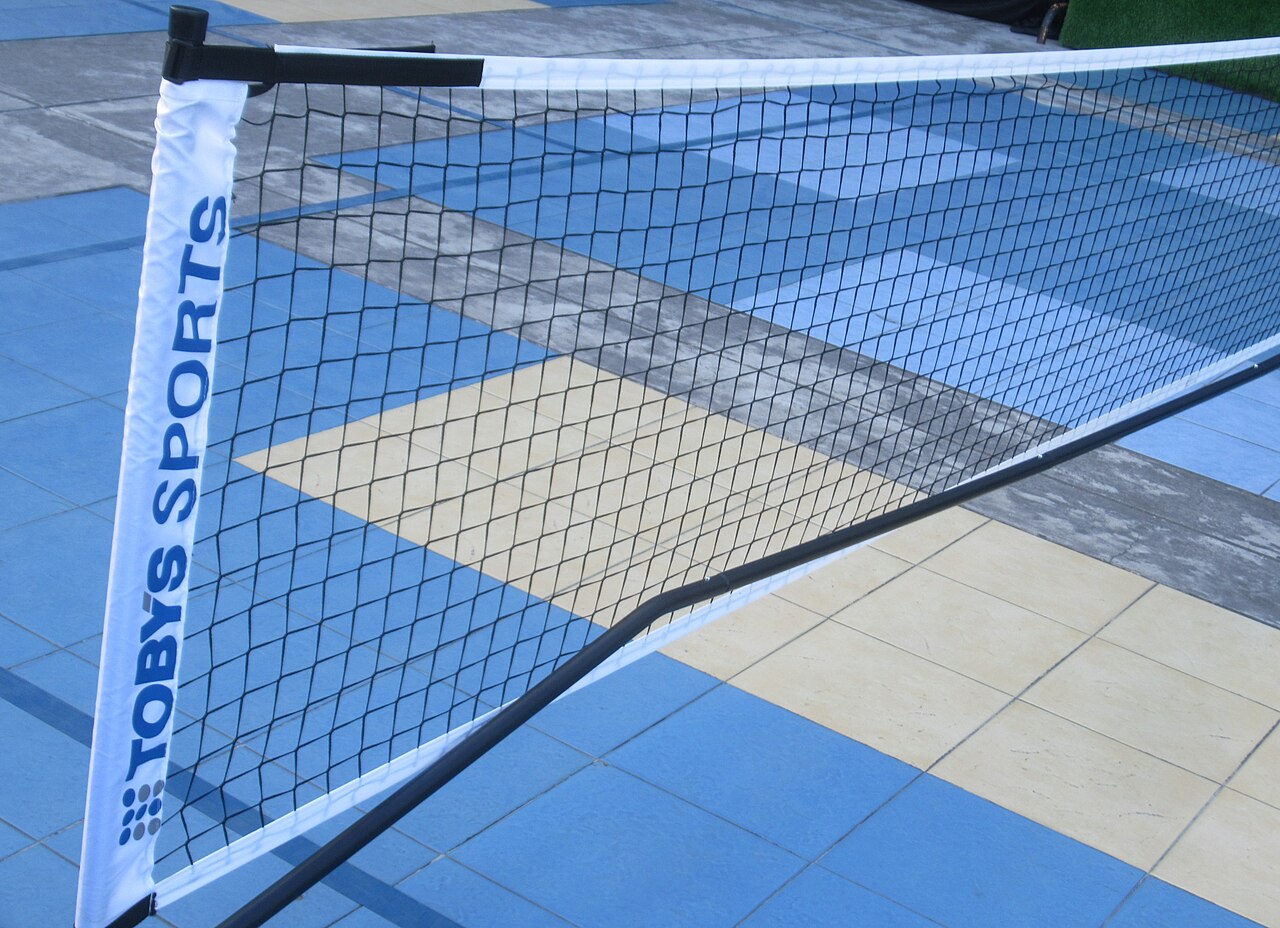
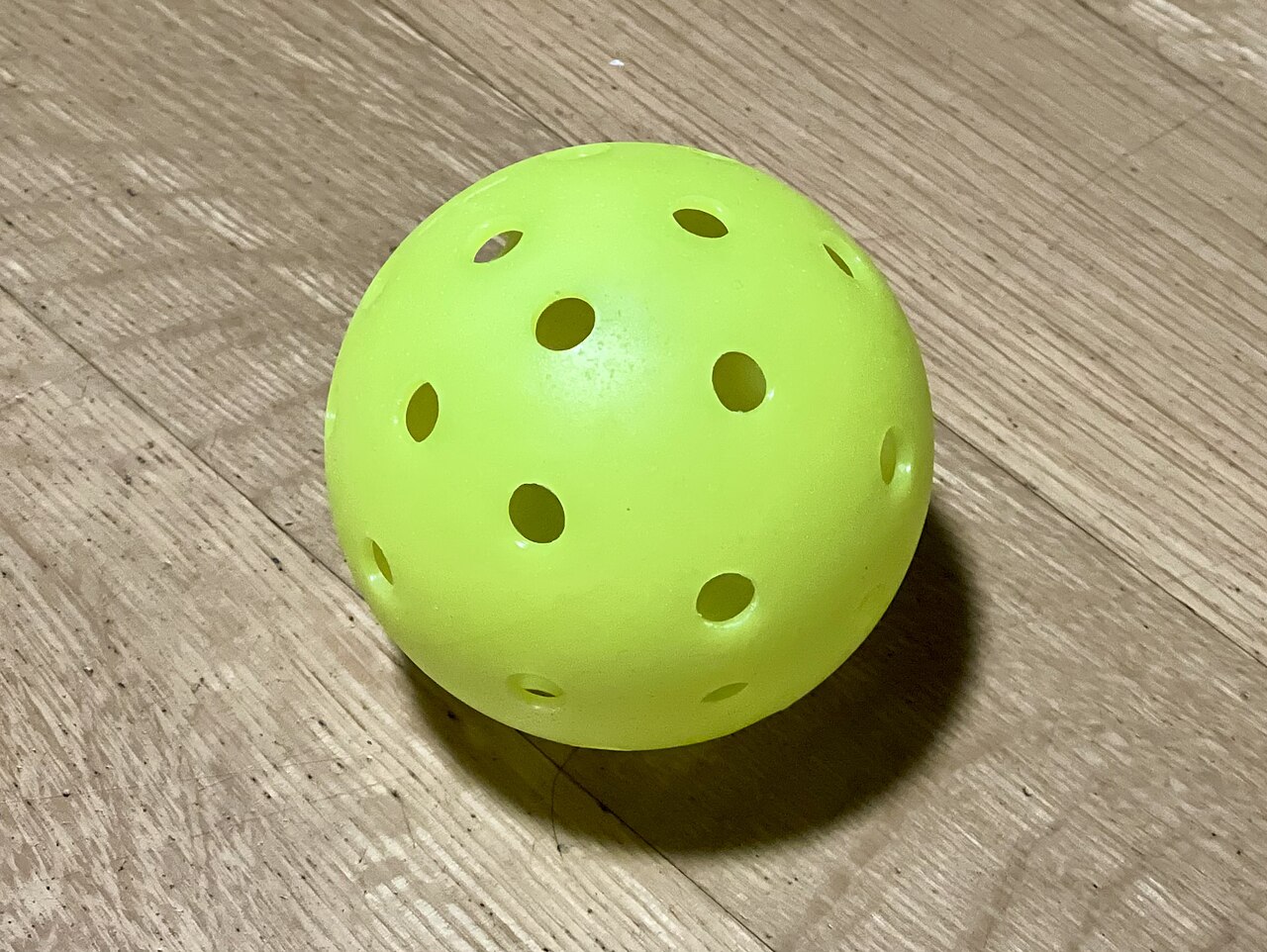
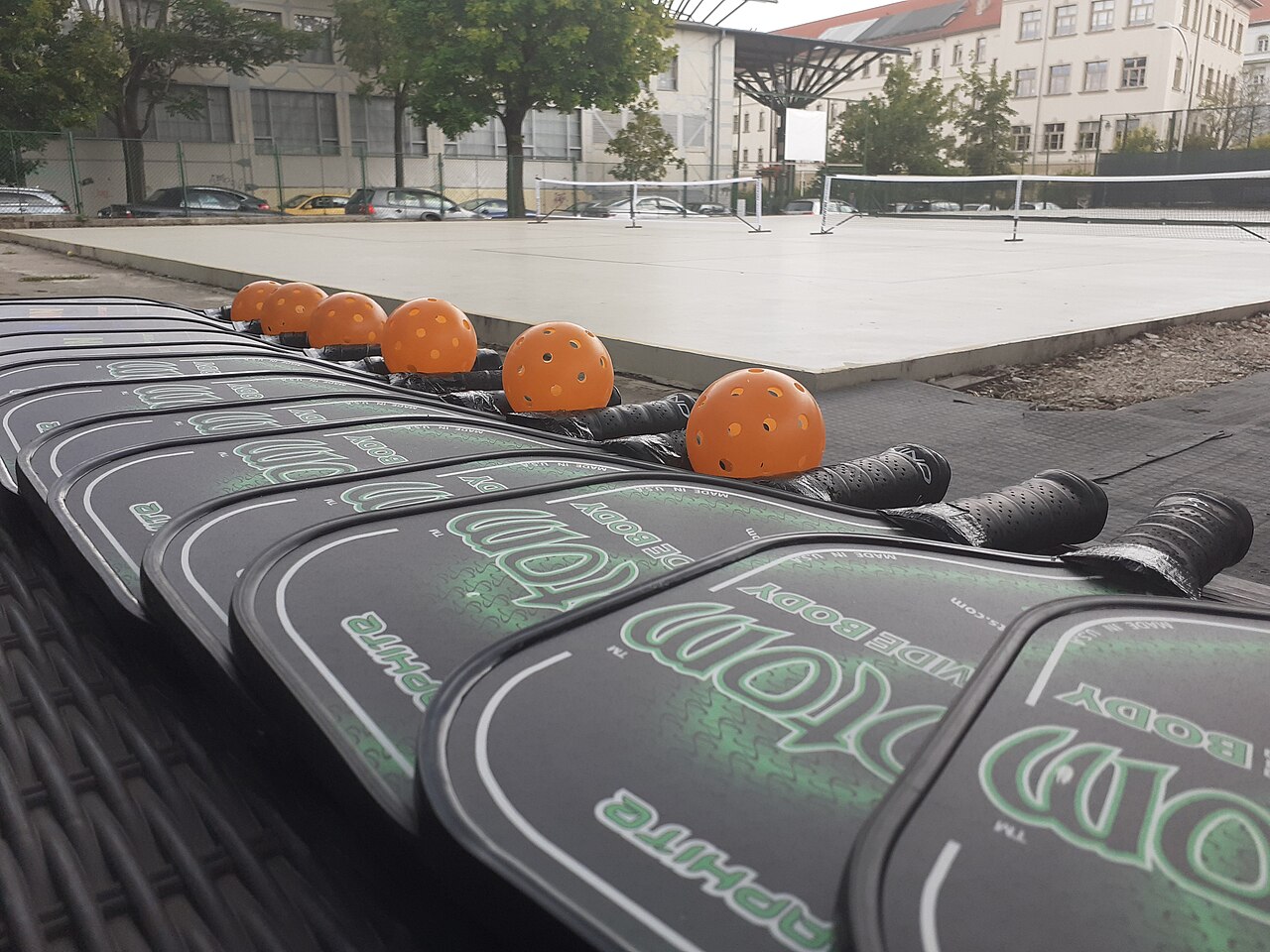
Every image has a paper trail.
Every photograph in this issue is logged: where it came from, what license or rights status it carries, and — until cleared — a plain label saying rights review is still pending.
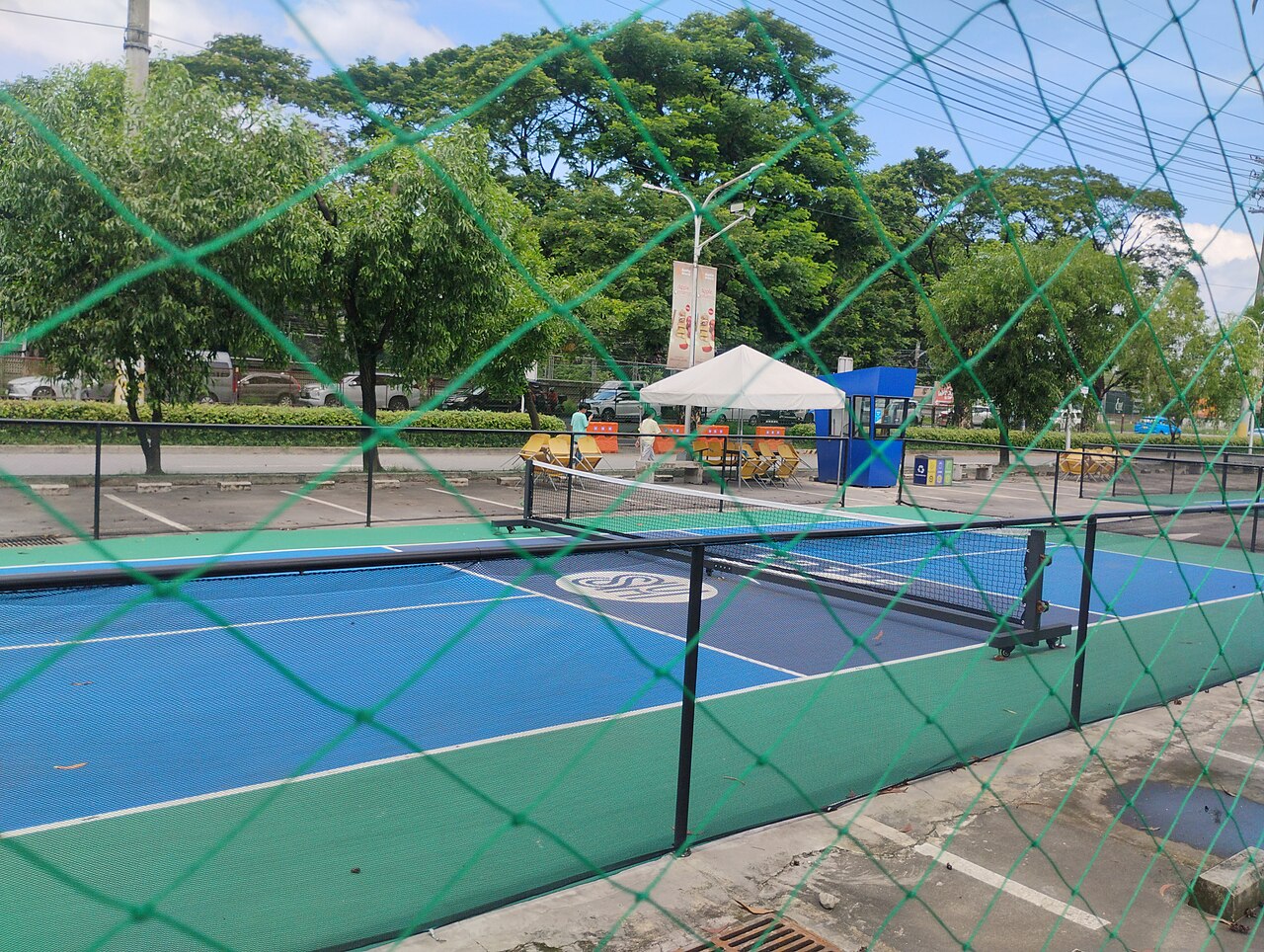
A magazine photo desk normally works from cleared stock or a staff photographer's own archive. This issue's images mostly come from somewhere else — club sites, city facility pages, public social posts and Wikimedia Commons — which makes the paper trail behind each one the actual editorial safeguard.1
What gets logged for every image
Each photo in this issue's records carries its source page, a cryptographic hash confirming the exact file used, and an explicit rights status. Where a license is fully documented — most often a Creative Commons image from Wikimedia Commons — that's stated plainly. Where it isn't yet cleared, the image is marked rights-review-pending rather than presented as cleared when it isn't.1
That distinction matters more than it might seem. A club or city's own site photo, used to illustrate a story about that exact club or city, is a different situation than repurposing an unrelated stock image — but neither is automatically "cleared" for republication just because it's publicly visible online. This issue treats both as pending until that status changes, rather than assuming public visibility equals permission.
Municipal Planning & Facility Capital Horizons
Beyond the immediate scheduling schedule, this facility illustrates the broader capital equation facing modern municipal planners. Converting public asphalt to dedicated court layouts is no longer an isolated park experiment; it represents a fundamental re-rating of recreational space efficiency.1 Where traditional tennis layouts support four players across 7,200 square feet, a multi-court pickleball footprint accommodates sixteen or more concurrent participants, quadrupling hourly throughput while concentrating court-wear dynamics on high-friction zones.1
For city agencies and concession operators, the ongoing operational bottleneck remains sound ecology and off-peak throughput management. High-frequency paddle impact at 1.2 kHz requires deliberate acoustic buffering, and the surrounding neighborhood stakeholders increasingly demand sound-mitigation curtains, verified decibel monitoring, and structured ladder rotations before greenlighting additional capital permits.1 As public recreation departments balance dedicated access against legacy court reservations, this location serves as a critical benchmark for urban density planning across the regional sports network.1
Sources
Every fact above comes from these public pages. Open the original to check it, or to read further.
- Dink Digest desk noteImage sourcing and rights-tracking processSep 2026
Chapter 08 · Desk Notes & Next IssueRead it in the issue →