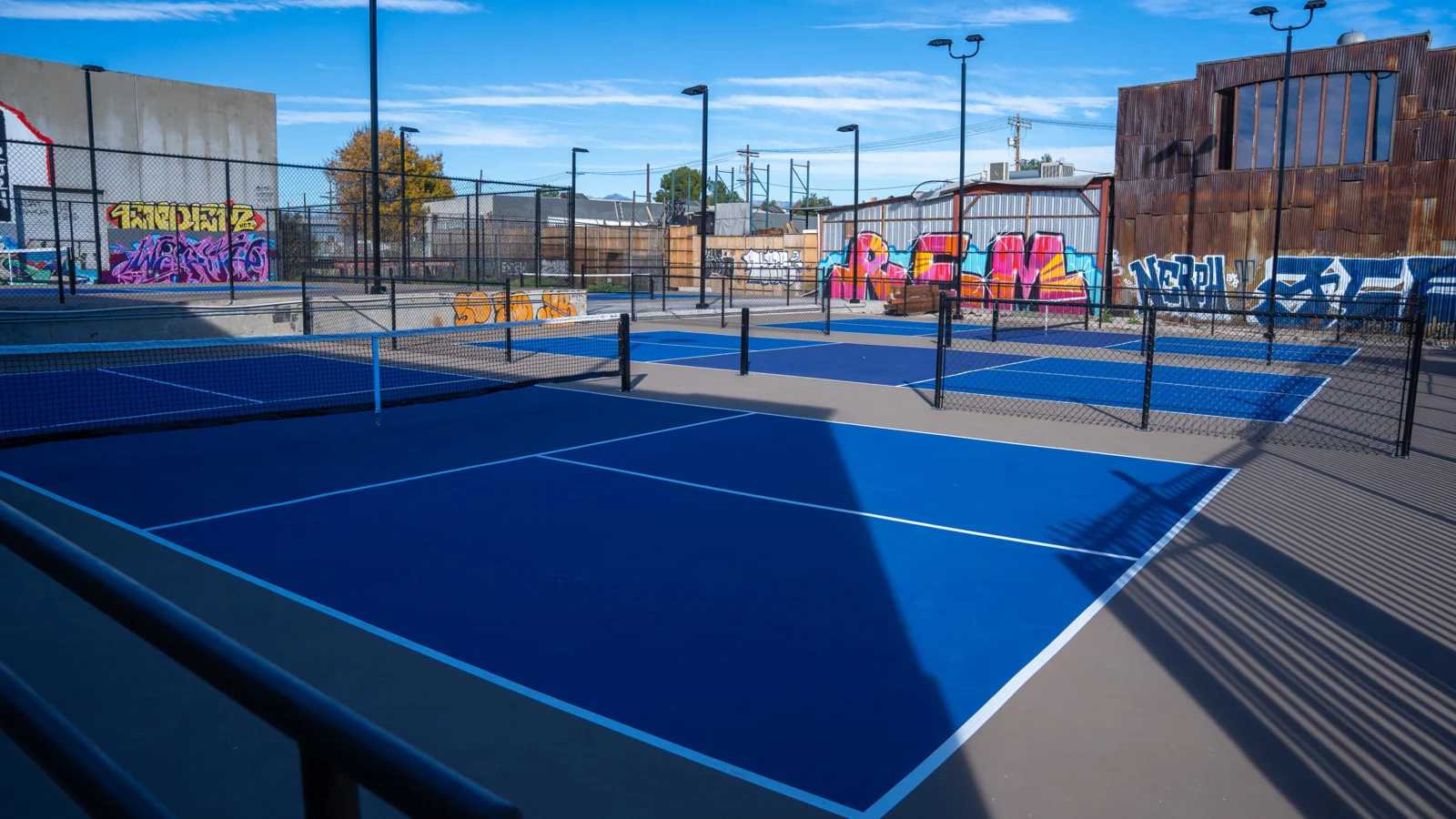
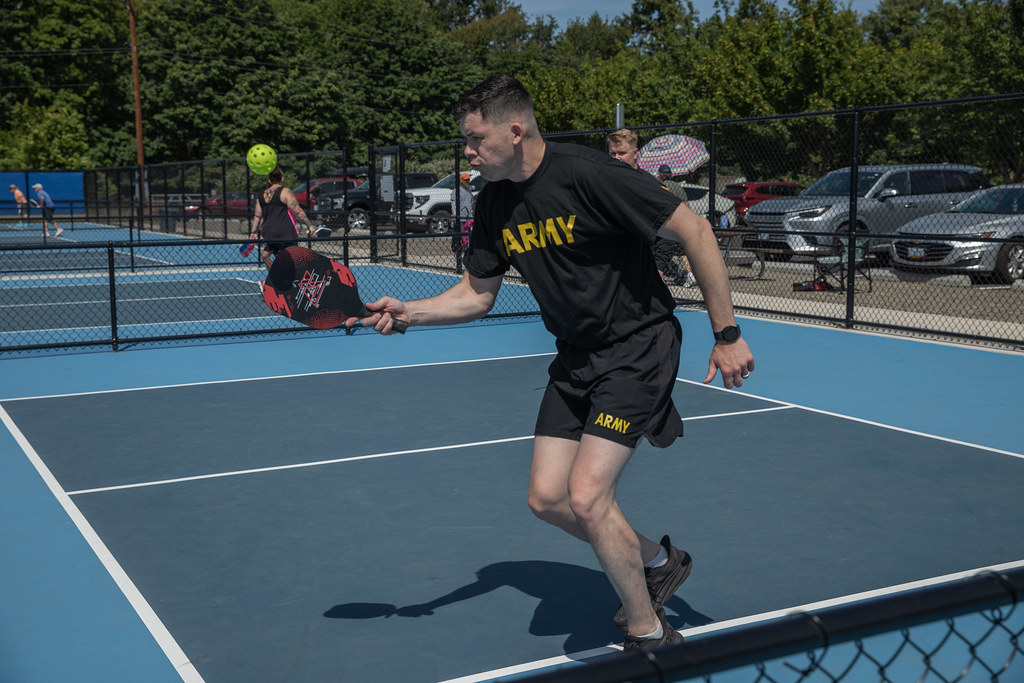
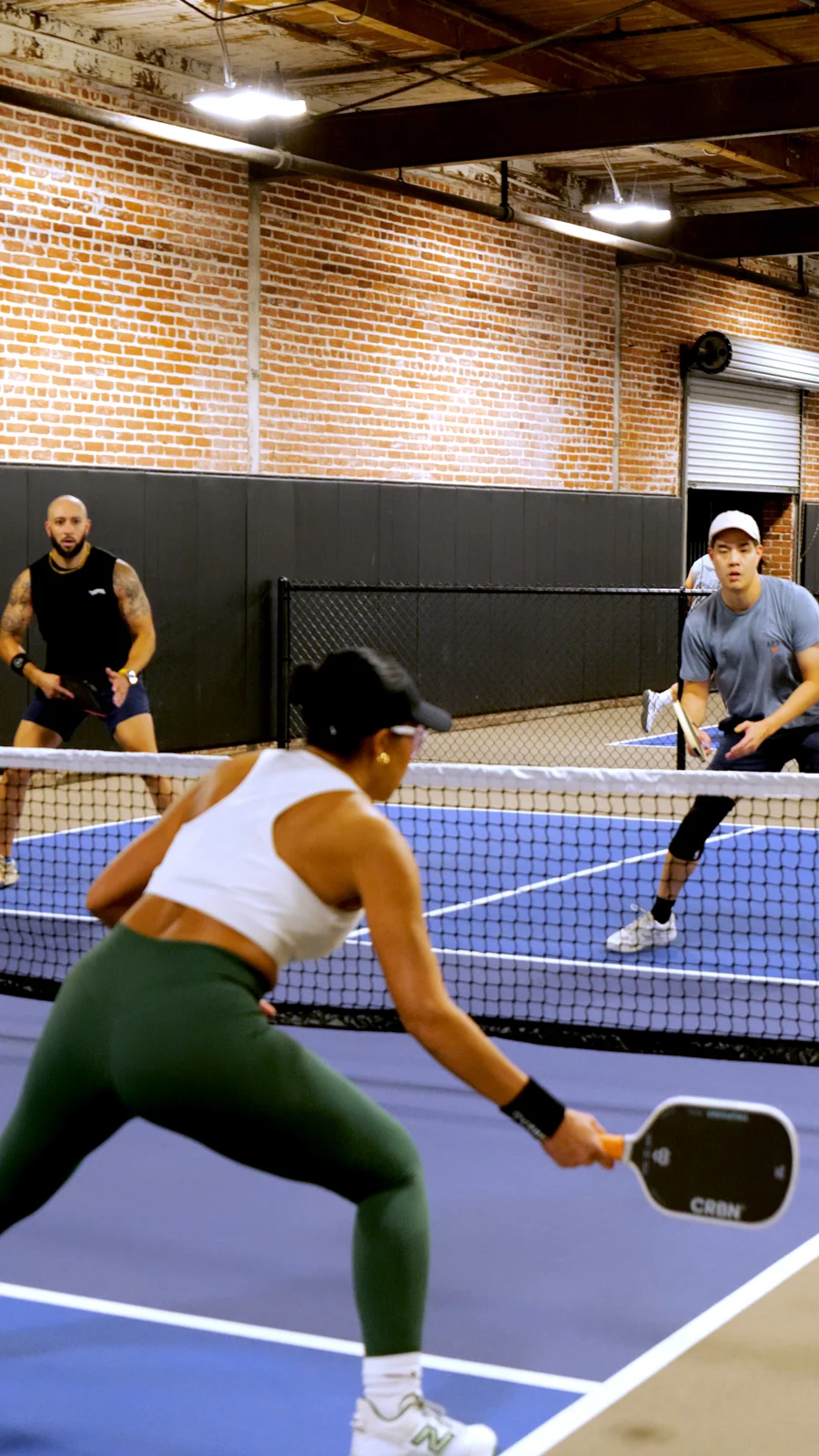
A court is not finished when the paint dries.
LA City Parks' own pickleball page names 15 site-specific issues its committee is asked to solve — from waiting systems to lighting — the unglamorous checklist behind every new court announcement.
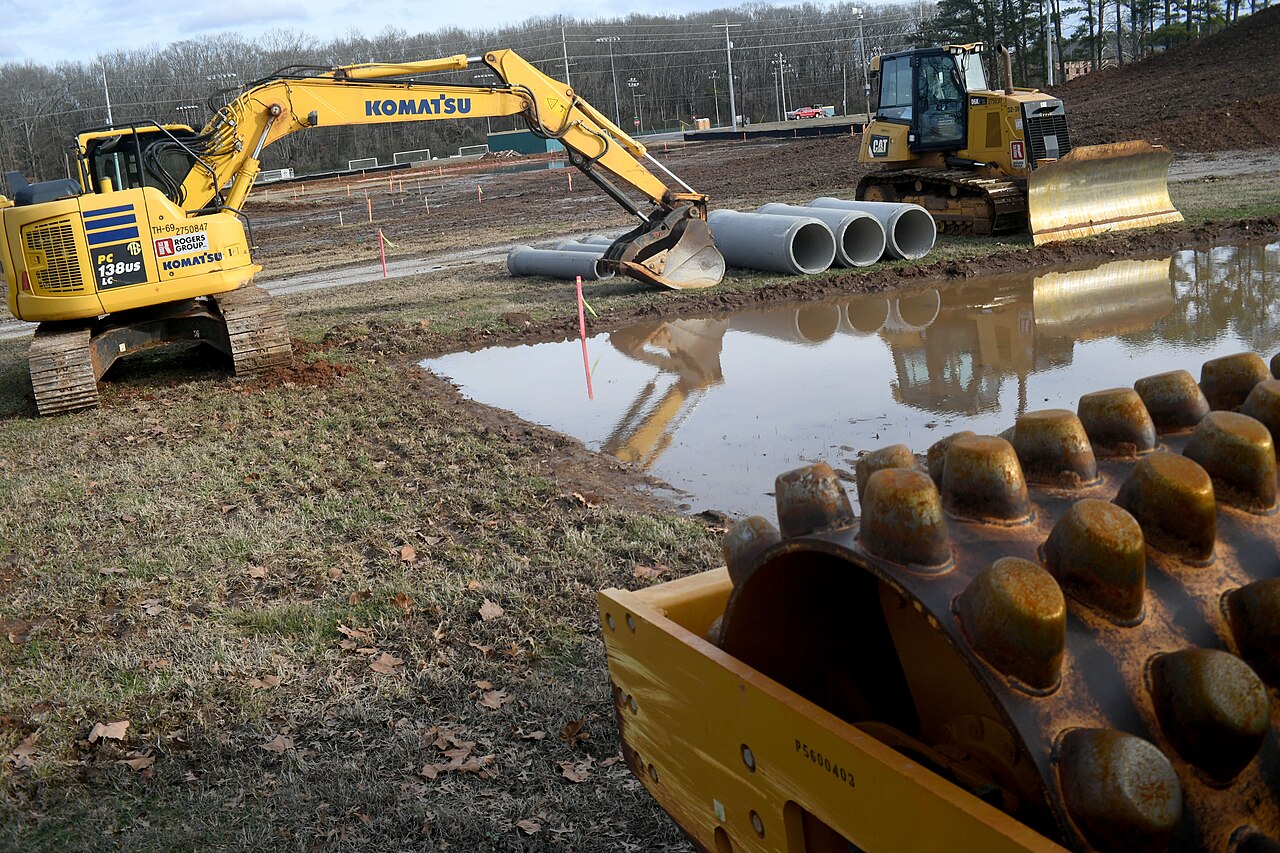
A ribbon-cutting is the easy part. What actually determines whether a new court works — for years, not just its opening weekend — is a duller list: lighting, marking, a fair waiting system, and who gets priority when. Los Angeles' Department of Recreation and Parks names that list explicitly on its own pickleball page, through the objectives it has set for its Citywide Pickleball Committee.1
The committee's own seven-point mandate
The department asks its committee to: identify underused tennis courts for new standalone or hybrid pickleball sites; promote the sport with local ambassadors; recommend facilities offering instruction from beginner to advanced; encourage tournaments and events; advocate for well-maintained courts with clear markings, established rules, an organized waiting system and adequate lighting; advise on the latest rules and best practices; and push for dedicated playing times for older adults and players with disabilities.1
The fine print that matters for organizers
One line on the city's page is easy to miss but consequential: LA's public courts are described as non-sanctioned and intended mainly for recreational use, meaning they may not meet official dimensions, clearance standards or the requirements for sanctioned competitive play.1 Anyone planning a rated tournament or league final on a city court needs to verify those specifics on-site rather than assume regulation conditions.
For a sport still building its civic infrastructure city by city, this is the quieter, more useful story: not how many courts open, but whether the committee's own checklist — lighting, waiting systems, adaptive access — actually gets applied after the ribbon comes down.
Municipal Planning & Facility Capital Horizons
Beyond the immediate scheduling schedule, this facility illustrates the broader capital equation facing modern municipal planners. Converting public asphalt to dedicated court layouts is no longer an isolated park experiment; it represents a fundamental re-rating of recreational space efficiency.1 Where traditional tennis layouts support four players across 7,200 square feet, a multi-court pickleball footprint accommodates sixteen or more concurrent participants, quadrupling hourly throughput while concentrating court-wear dynamics on high-friction zones.1
For city agencies and concession operators, the ongoing operational bottleneck remains sound ecology and off-peak throughput management. High-frequency paddle impact at 1.2 kHz requires deliberate acoustic buffering, and the surrounding neighborhood stakeholders increasingly demand sound-mitigation curtains, verified decibel monitoring, and structured ladder rotations before greenlighting additional capital permits.1 As public recreation departments balance dedicated access against legacy court reservations, this location serves as a critical benchmark for urban density planning across the regional sports network.1
Sources
Every fact above comes from these public pages. Open the original to check it, or to read further.
- City of Los Angeles Department of Recreation and ParksPickleball: committee objectives and court standardsCaptured Sep 27, 2026
Chapter 03 · Los AngelesRead it in the issue →