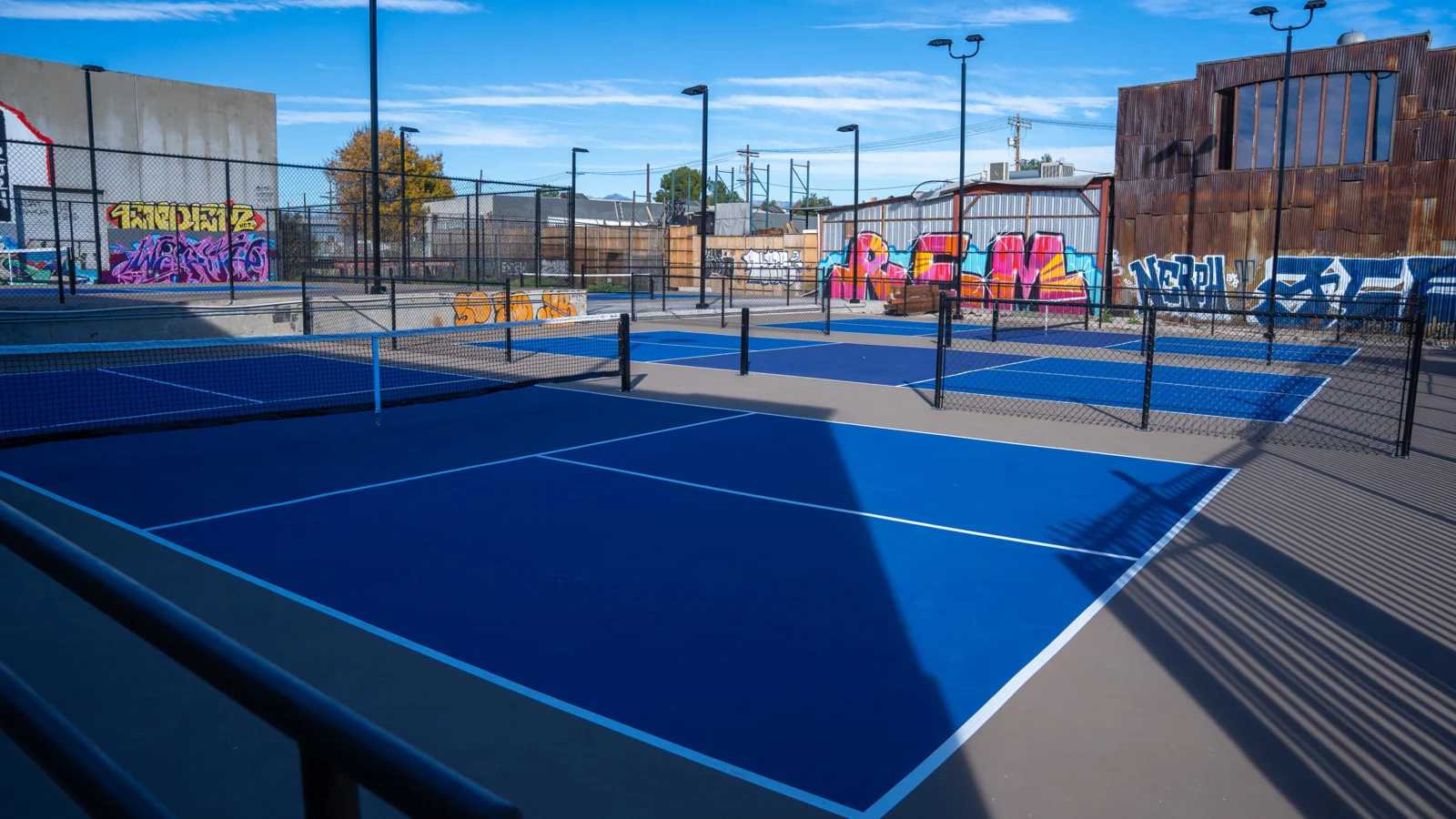
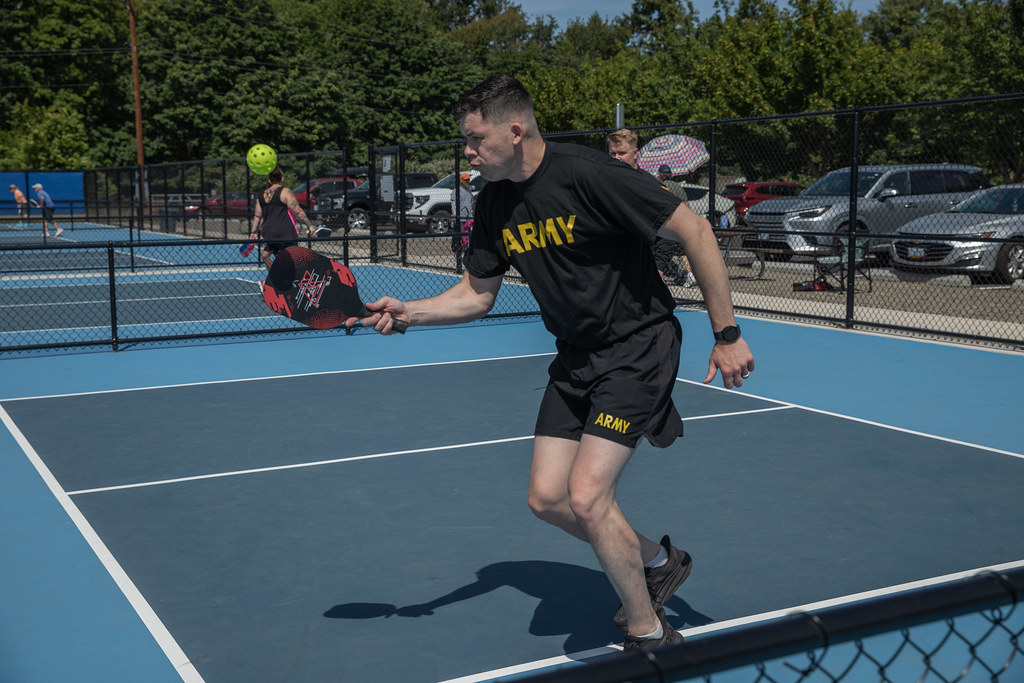
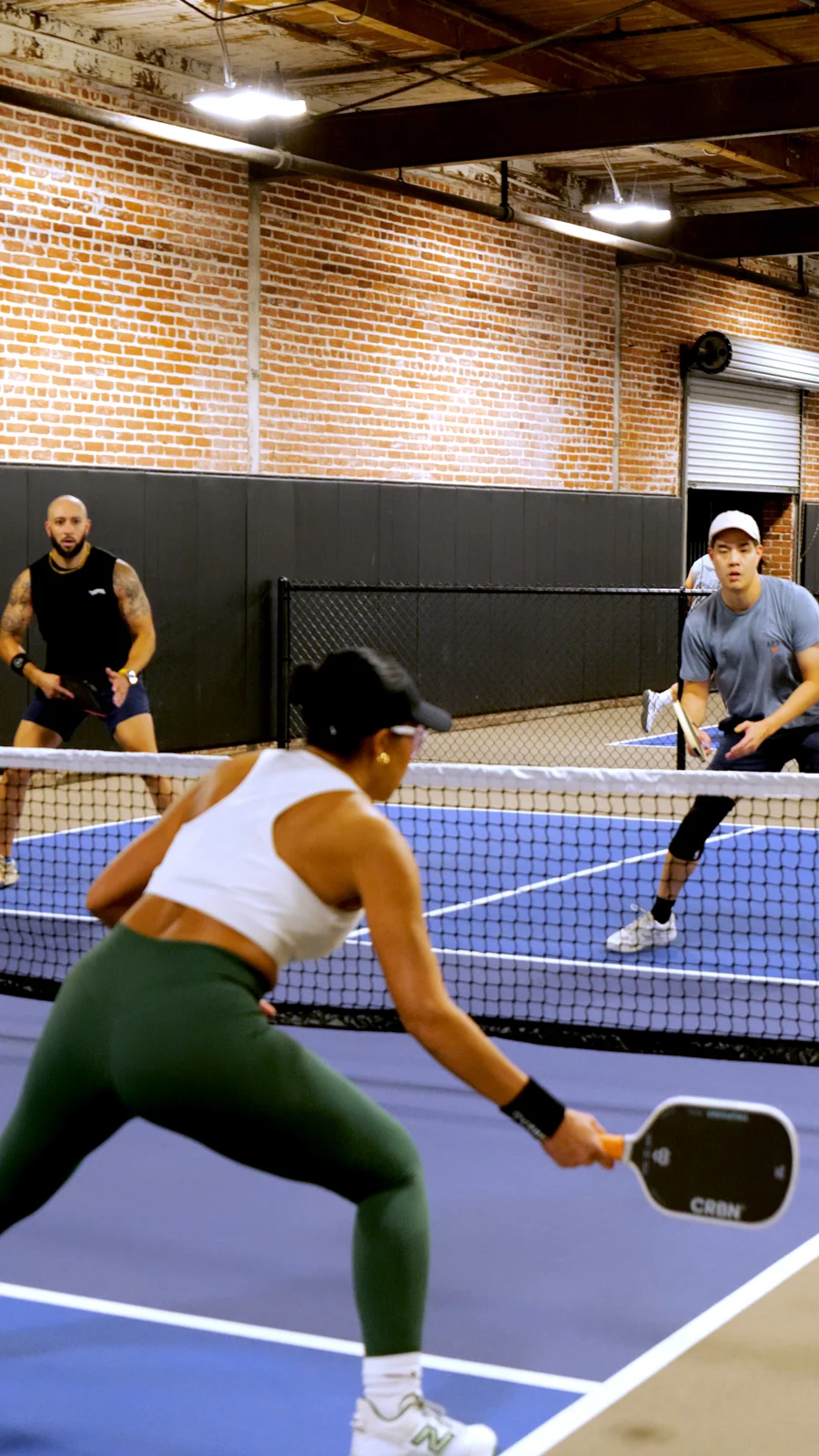
Plummer Park's maintenance week is news.
A routine LED lighting upgrade closed courts on a rolling schedule for three weeks — the kind of unglamorous notice that actually decides whether a player's evening plan works.
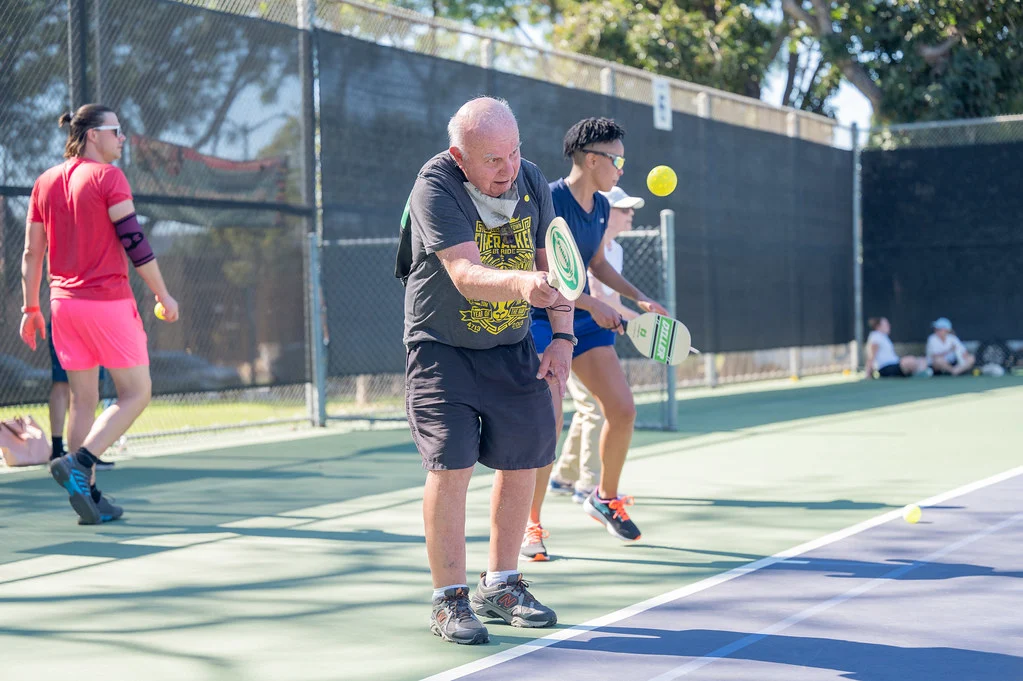
West Hollywood's Plummer Park is already this issue's example of how a council agenda item can reshape two courts. Its facility notice for the same period is a smaller, more practical story: routine maintenance that closed specific courts on a rolling schedule, exactly the kind of detail a player needs before showing up.
Beginning Monday, August 17, 2026, the city upgraded existing court lighting fixtures to new energy-efficient LED fixtures, with an estimated completion of Friday, September 4.1 Construction ran on weekday daytime hours only, with all work areas cleared by the afternoon each day.1
That week-three detail is worth noting on its own: even after courts physically reopen, the underlying lighting control system was still being commissioned, meaning full evening lighting reliability may lag slightly behind the reopening date.1
Why this is the same story as page 53, told differently
This maintenance notice ran on the same courts — 6 and 7 — that are the subject of the council's pickleball-access debate covered elsewhere in this issue. Whatever the council decides about dedicating those courts to pickleball, the physical infrastructure underneath that decision was mid-upgrade during this reporting window. A city can be debating a court's future use and repairing its present condition at the same time.
Municipal Planning & Facility Capital Horizons
Beyond the immediate scheduling schedule, this facility illustrates the broader capital equation facing modern municipal planners. Converting public asphalt to dedicated court layouts is no longer an isolated park experiment; it represents a fundamental re-rating of recreational space efficiency.1 Where traditional tennis layouts support four players across 7,200 square feet, a multi-court pickleball footprint accommodates sixteen or more concurrent participants, quadrupling hourly throughput while concentrating court-wear dynamics on high-friction zones.1
For city agencies and concession operators, the ongoing operational bottleneck remains sound ecology and off-peak throughput management. High-frequency paddle impact at 1.2 kHz requires deliberate acoustic buffering, and the surrounding neighborhood stakeholders increasingly demand sound-mitigation curtains, verified decibel monitoring, and structured ladder rotations before greenlighting additional capital permits.1 As public recreation departments balance dedicated access against legacy court reservations, this location serves as a critical benchmark for urban density planning across the regional sports network.1
Sources
Every fact above comes from these public pages. Open the original to check it, or to read further.
- City of West HollywoodPlummer Park Tennis & Pickleball Courts: facility noticeAug–Sep 2026
Chapter 03 · Los AngelesRead it in the issue →