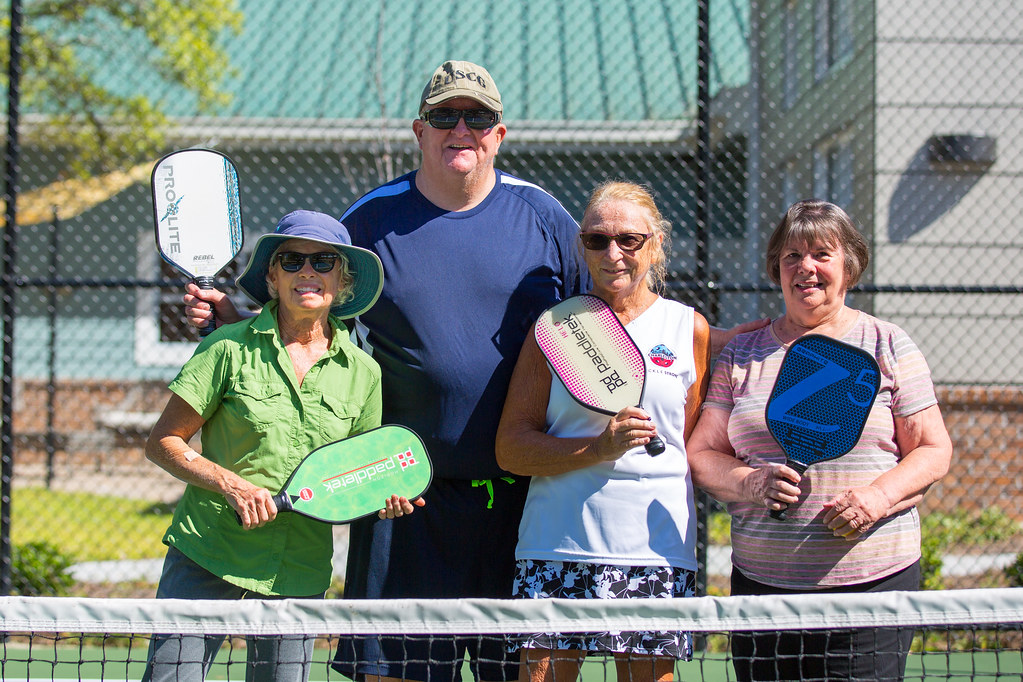
Disco is a court-side format.
Rhythm & Rally's live-DJ pickleball nights aren't a one-off theme party — they're a repeating, named format with its own crew, its own galleries, and its own growing footprint across Los Angeles.

This issue's earlier profile of Rhythm & Rally covers the group's origin story. The culture point worth isolating here is the format itself: live DJs and dancing aren't a novelty theme bolted onto a single event — they're the recurring, defining structure of every Rhythm & Rally gathering, documented across the group's own event galleries.1
That consistency is what turns a fun idea into an actual cultural format other organizers can study or copy. A one-off "disco pickleball night" is a gimmick; a repeating, identically-branded event with a stable host crew and a growing photo archive is a genuine addition to the sport's social vocabulary — closer to a recurring club night than a party.
The group's own self-description leans into identity as much as music: "We are often the most diverse group on the court. We care about bringing inclusivity to the game."1 That combination — music as the hook, inclusivity as the stated value — is a specific, replicable model for any club or city looking to broaden who actually shows up to open play.
Municipal Planning & Facility Capital Horizons
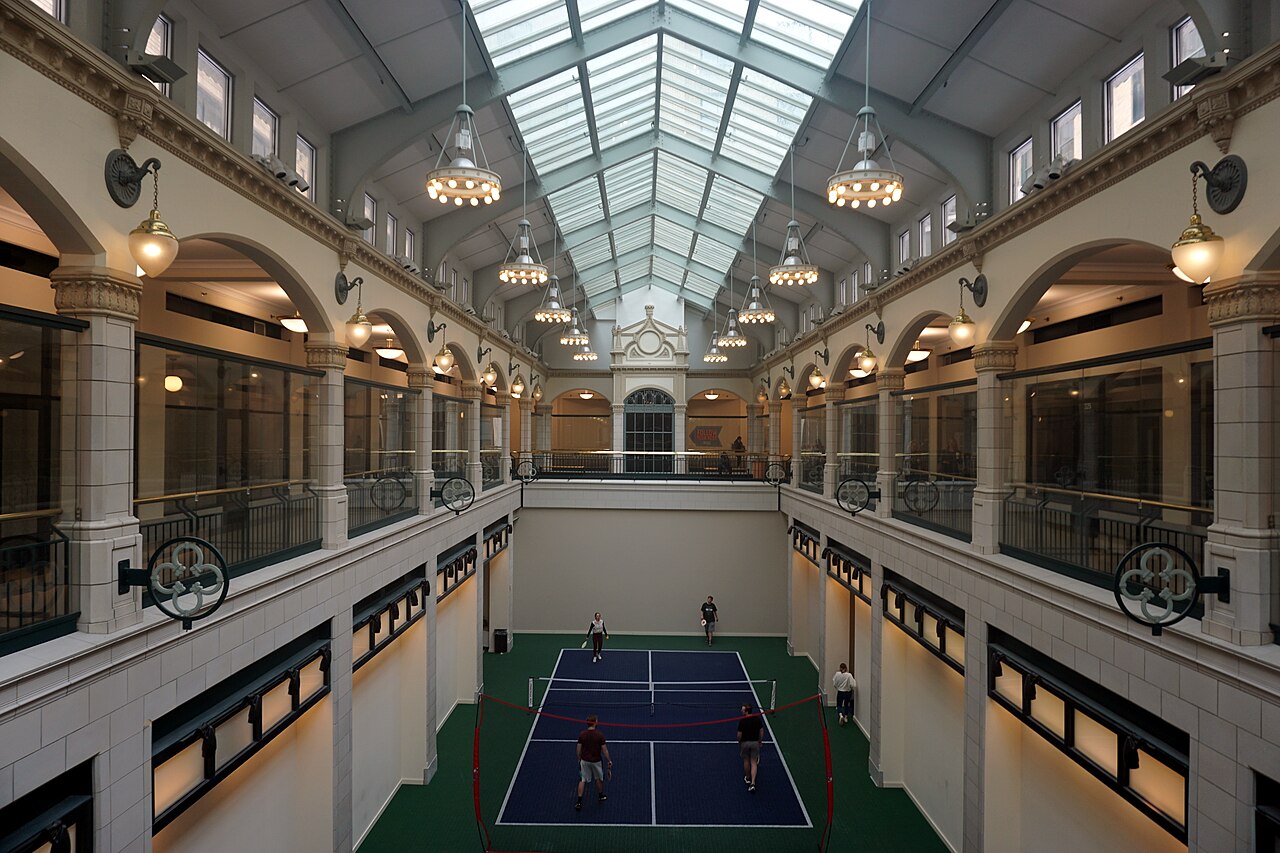
Beyond the immediate scheduling schedule, this facility illustrates the broader capital equation facing modern municipal planners. Converting public asphalt to dedicated court layouts is no longer an isolated park experiment; it represents a fundamental re-rating of recreational space efficiency.1 Where traditional tennis layouts support four players across 7,200 square feet, a multi-court pickleball footprint accommodates sixteen or more concurrent participants, quadrupling hourly throughput while concentrating court-wear dynamics on high-friction zones.1
For city agencies and concession operators, the ongoing operational bottleneck remains sound ecology and off-peak throughput management. High-frequency paddle impact at 1.2 kHz requires deliberate acoustic buffering, and the surrounding neighborhood stakeholders increasingly demand sound-mitigation curtains, verified decibel monitoring, and structured ladder rotations before greenlighting additional capital permits.1 As public recreation departments balance dedicated access against legacy court reservations, this location serves as a critical benchmark for urban density planning across the regional sports network.1
Sources
Every fact above comes from these public pages. Open the original to check it, or to read further.
- Rhythm & RallyRhythm & Rally: a pickleball jamCaptured Sep 27, 2026
Chapter 07 · CultureRead it in the issue →