The post-match table is a real desk.
CityPickle's whole pitch — "Play. Eat. Drink. Connect." — treats the table after the match as seriously as the court itself, and charity tournaments build food and hospitality directly into their sponsorship tiers.
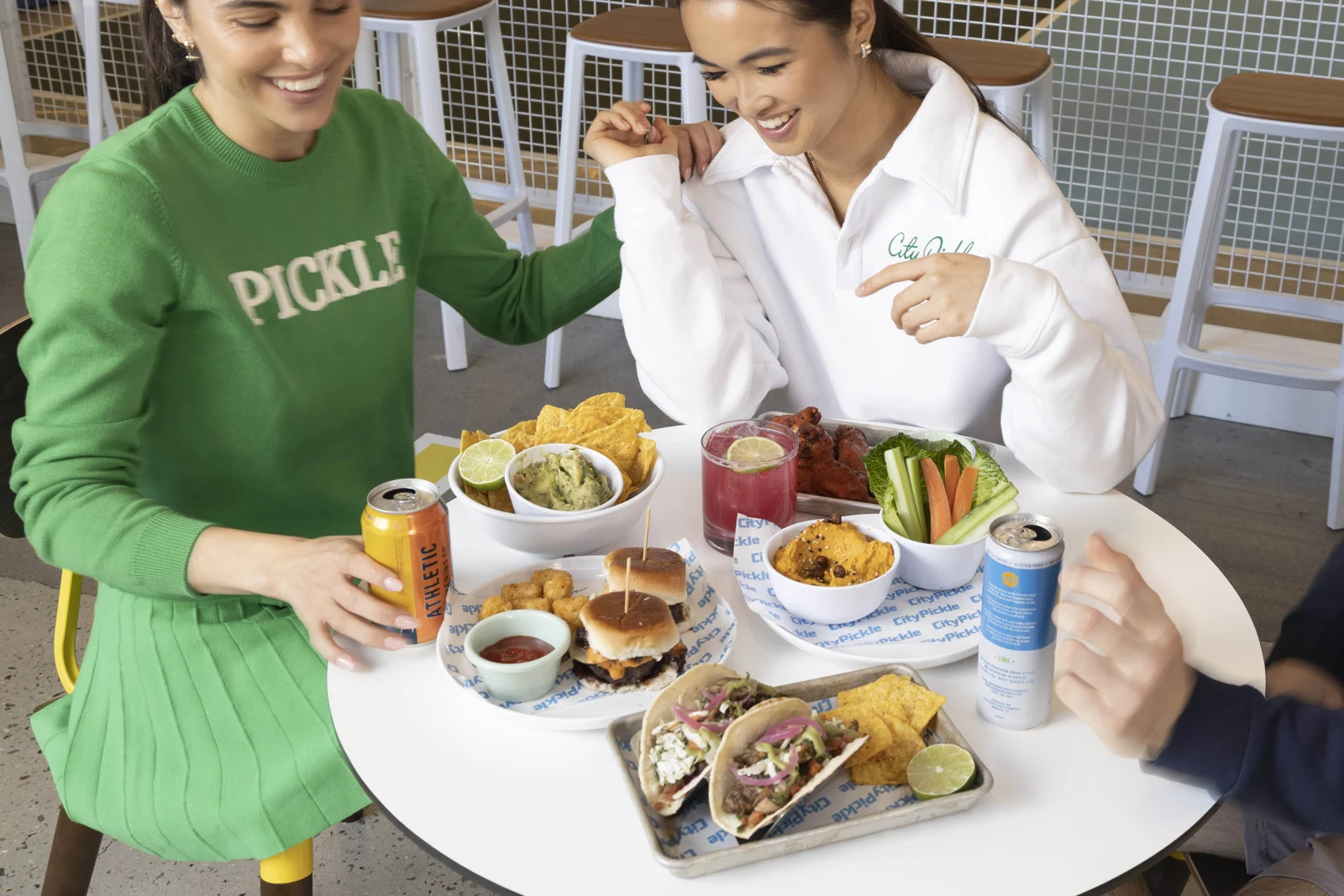
CityPickle's own four-word pitch treats the table after the match as inseparable from the game itself: "Play. Eat. Drink. Connect."1 That isn't marketing filler — it's a structural claim about what a modern pickleball venue is actually selling, and it shows up concretely in how the club builds its locations, with full bar and restaurant service built into its flagship sites covered elsewhere in this issue.
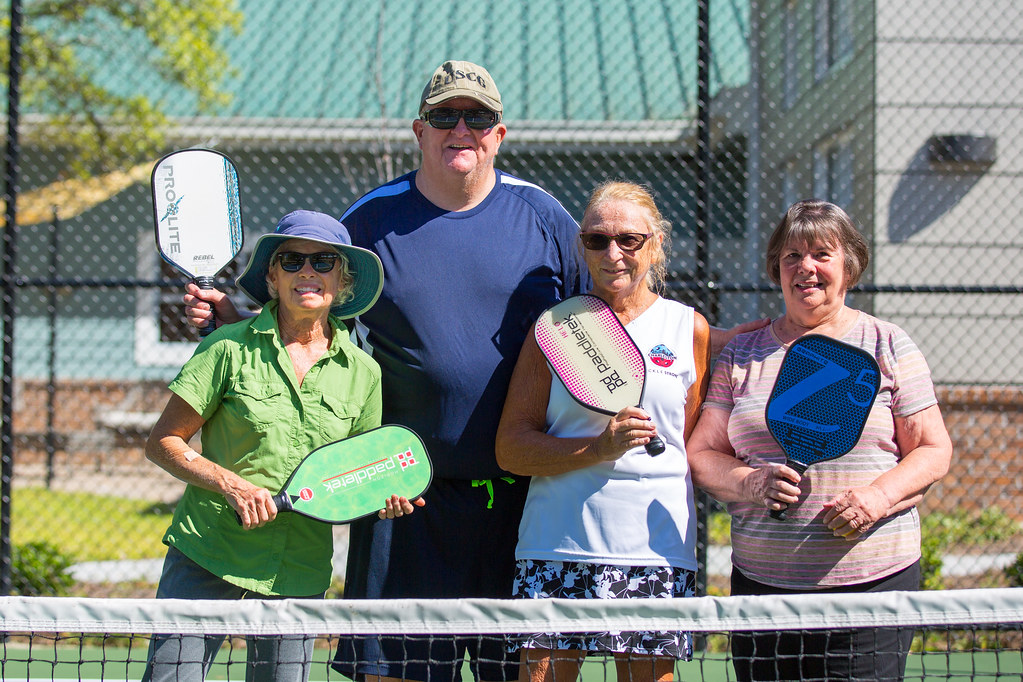
The same logic runs through the charity and sponsorship side of the sport. Meals on Wheels Orange County's tournament sponsorship tiers, covered in full elsewhere in this issue, explicitly bundle branded paddles, player bag inserts and hospitality benefits into each sponsorship level — a fundraiser designed around the idea that the social moment after competition is worth paying to be part of, not just the bracket itself.2
Municipal Planning & Facility Capital Horizons
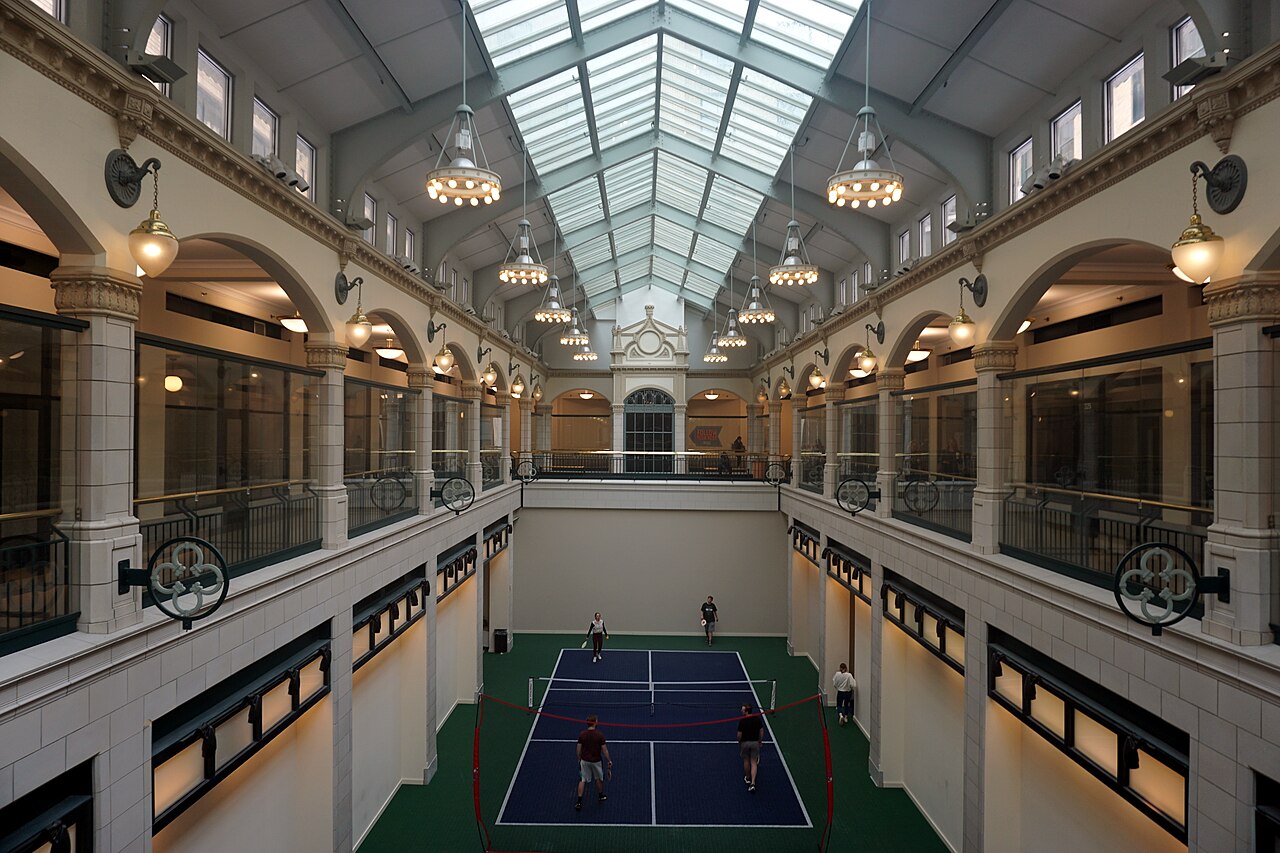
Beyond the immediate scheduling schedule, this facility illustrates the broader capital equation facing modern municipal planners. Converting public asphalt to dedicated court layouts is no longer an isolated park experiment; it represents a fundamental re-rating of recreational space efficiency.1 Where traditional tennis layouts support four players across 7,200 square feet, a multi-court pickleball footprint accommodates sixteen or more concurrent participants, quadrupling hourly throughput while concentrating court-wear dynamics on high-friction zones.1
For city agencies and concession operators, the ongoing operational bottleneck remains sound ecology and off-peak throughput management. High-frequency paddle impact at 1.2 kHz requires deliberate acoustic buffering, and the surrounding neighborhood stakeholders increasingly demand sound-mitigation curtains, verified decibel monitoring, and structured ladder rotations before greenlighting additional capital permits.1 As public recreation departments balance dedicated access against legacy court reservations, this location serves as a critical benchmark for urban density planning across the regional sports network.1
Sources
Every fact above comes from these public pages. Open the original to check it, or to read further.
- CityPickleCityPickle homeCaptured Sep 27, 2026
- Meals on Wheels Orange County2026 Pickleball Tournament: Sponsorship OpportunitiesEvent Jul 18, 2026
Chapter 07 · CultureRead it in the issue →