Count what a club can change.
Pickle Match Club tracks check-ins, regulars, and monthly standings — numbers a club actually controls — rather than vaguer claims about "community" it can't measure.
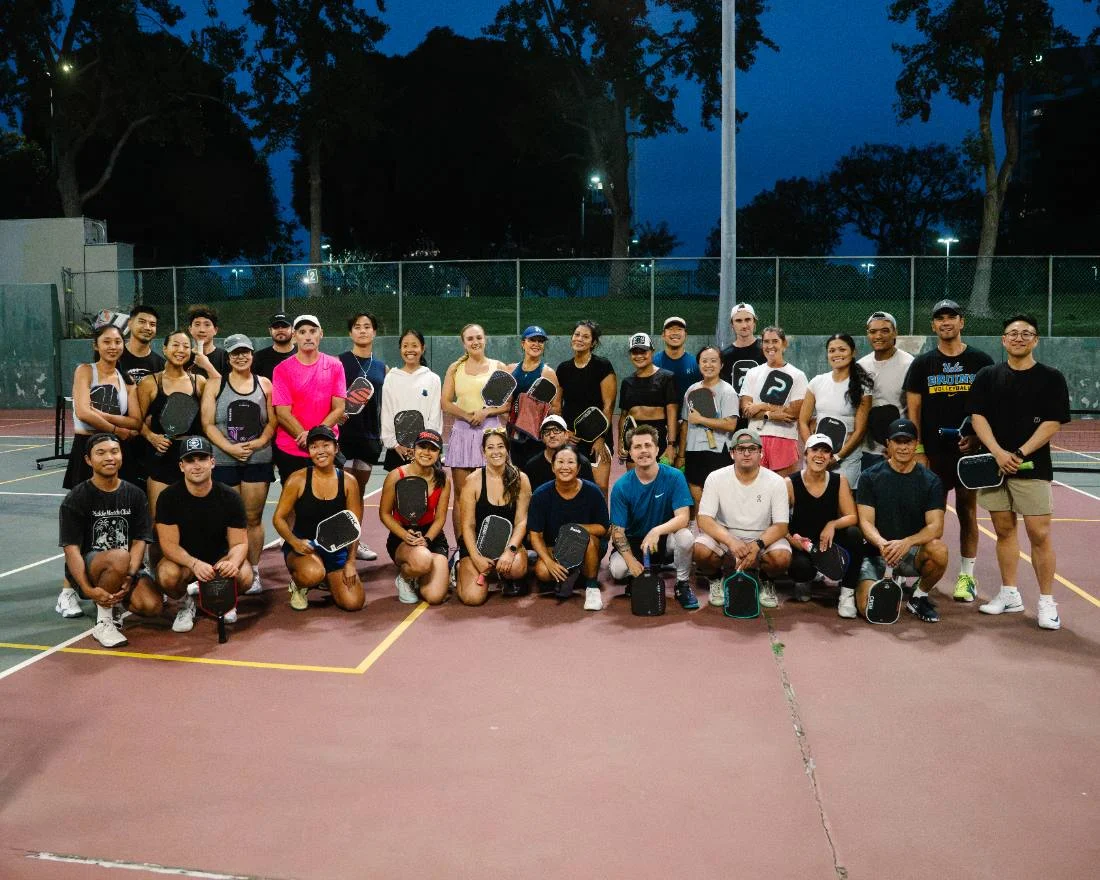
It's easy for a club to describe itself in language that can't be checked: "a great community," "a welcoming vibe." Pickle Match Club's own self-description leans instead on numbers it can actually count because it directly controls the underlying activity: over 100 events run, 1,631 recorded check-ins, and 97 regular players, all since its December 2024 founding.1
Each of those is a number the club generates and owns — an event it scheduled, a check-in at its own door, a player it can identify as returning regularly. That's a meaningfully different kind of claim than an unmeasurable brand statement, and it's the kind of number a prospective member, sponsor or this desk can actually hold the club accountable to over time.
Civic Health & Grassroots Equity Framework
Beyond organized tournament brackets, grassroots access remains the social anchor of the community sports ecosystem. Public court clinics, drop-in morning scrambles, and adaptive recreation programs provide an accessible entry point that cuts across traditional socioeconomic and generational divides.1 Municipal recreation studies consistently confirm that pickleball delivers exceptional cardiovascular benefits with lower joint impact compared to full-court sports, making it the primary physical activity driver for active seniors and youth development programs alike.1
However, sustaining free and low-cost community programming requires continuous institutional coordination between volunteer ambassadors, parks departments, and local civic organizations. When public parks integrate paddle-rack queue systems and provide dedicated beginner equipment, player retention and cross-generational engagement increase dramatically.1 This grassroots momentum represents the authentic civic soul of the sport, ensuring that neighborhood vitality and public health access remain at the heart of the regional movement.1
Sources
Every fact above comes from these public pages. Open the original to check it, or to read further.
- Pickle Match ClubPickle Match Club homeCaptured Sep 27, 2026
Chapter 06 · Club & CommunityRead it in the issue →