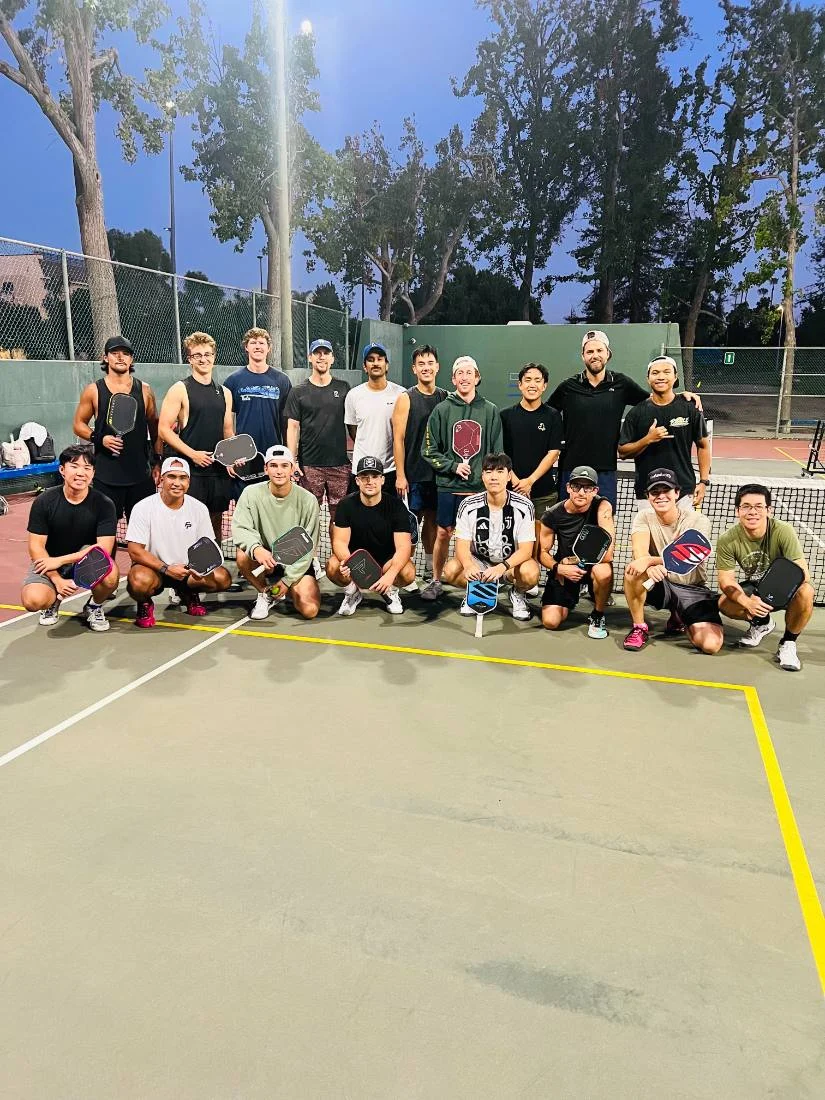
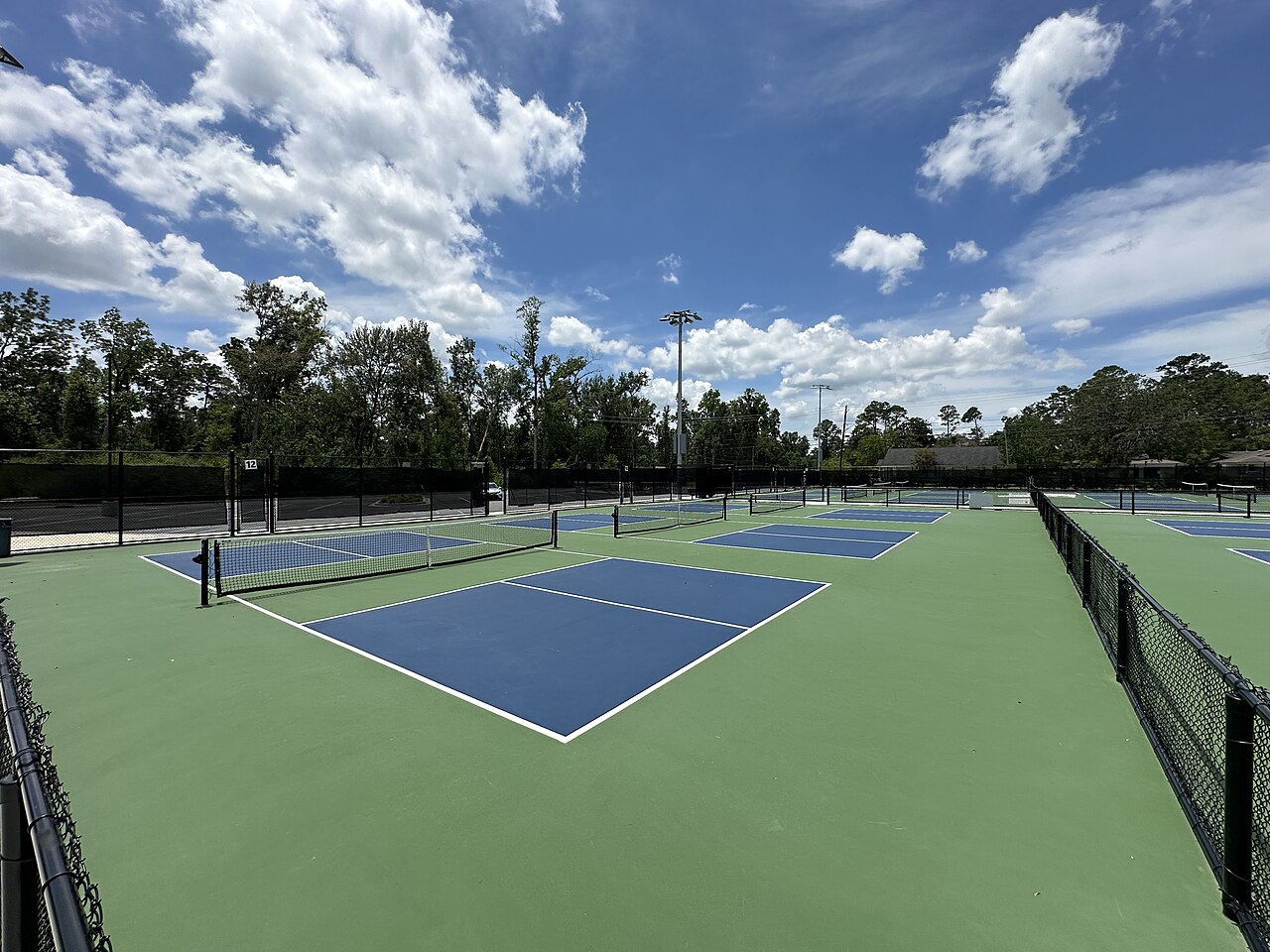
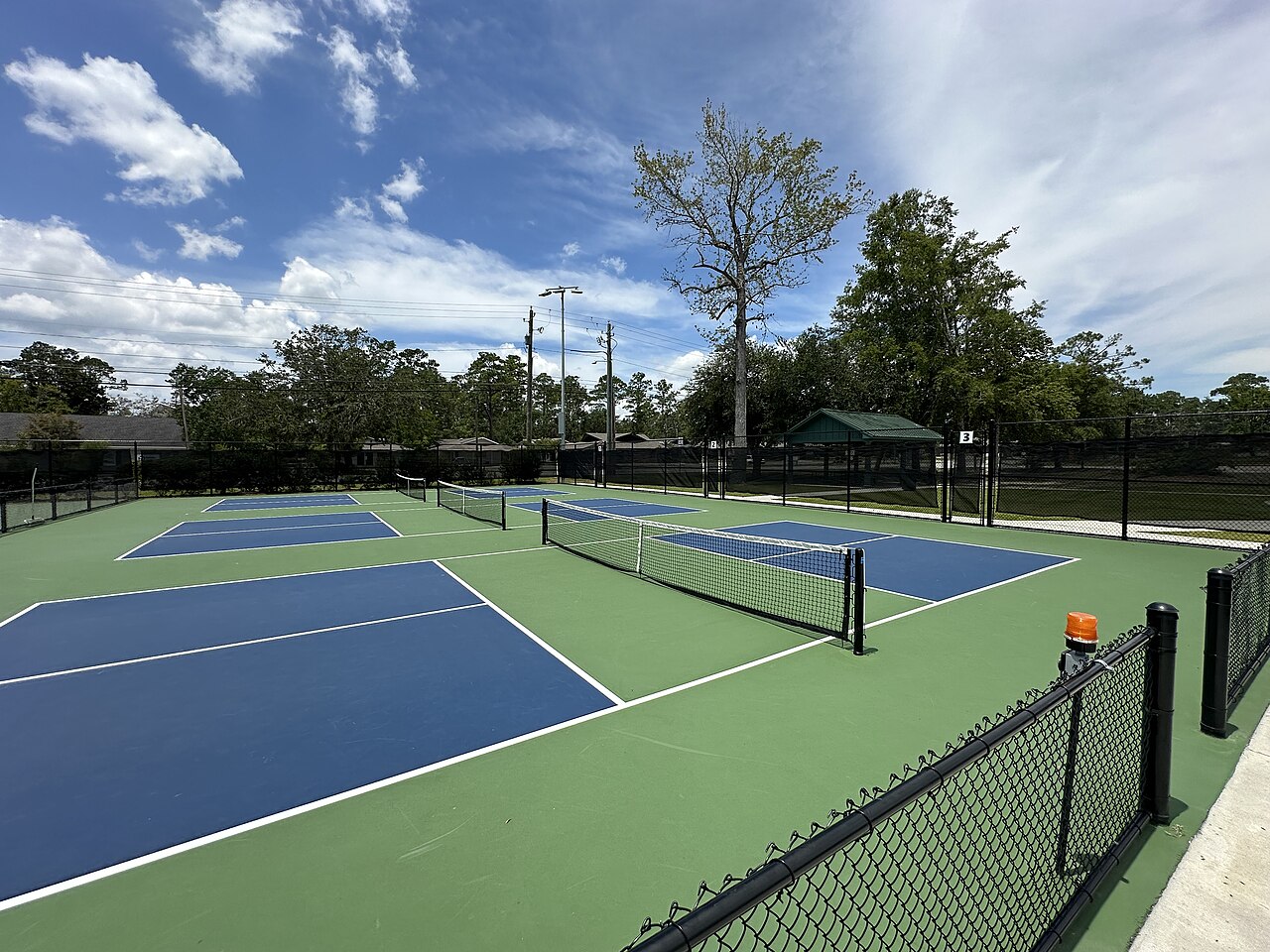
Open play is a social operating system.
CityPickle, Skyline Pickleball, and Pickleball Union all describe open play the same way — not idle court time, but a structured, self-organizing social system with its own etiquette.
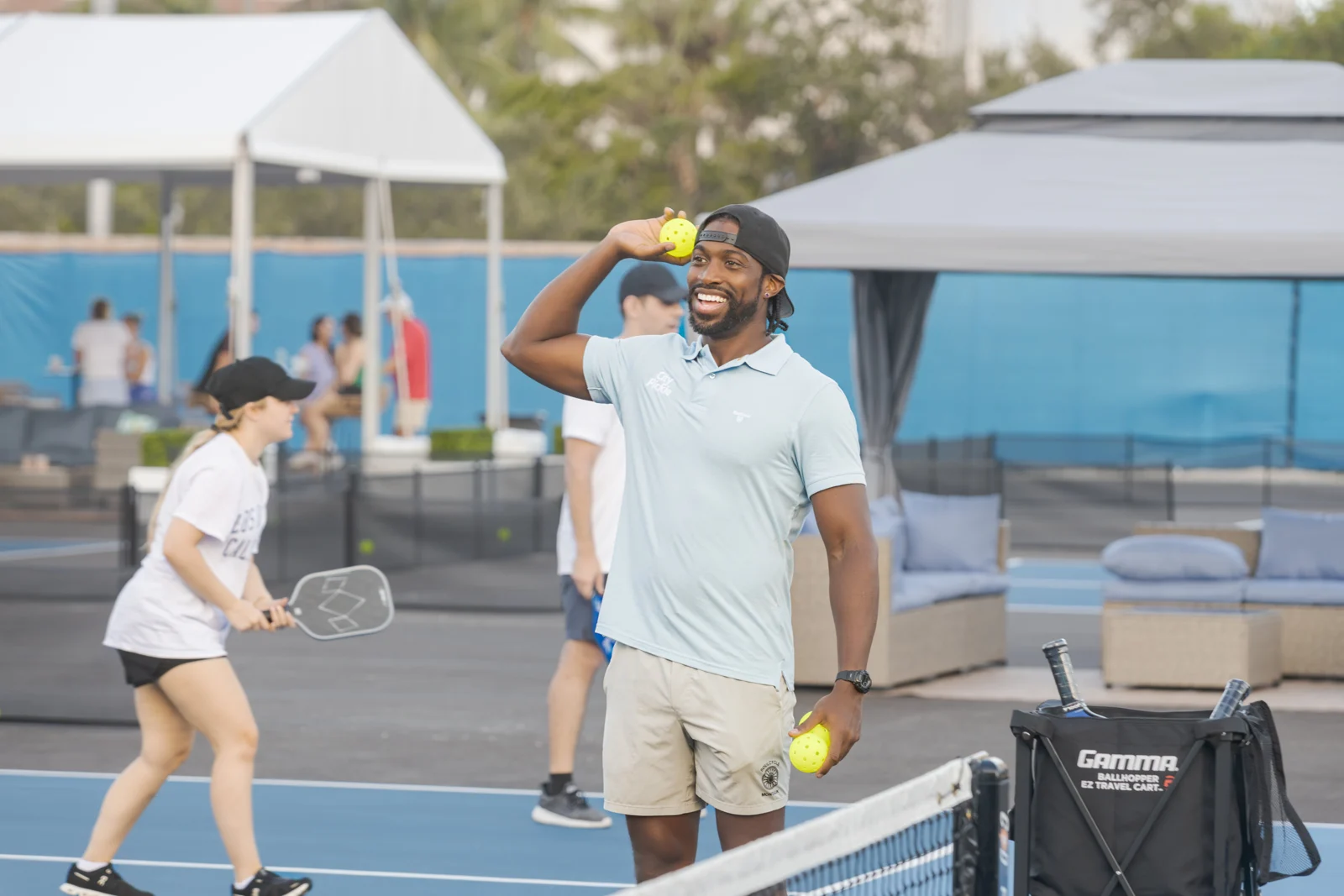
"Open play" sounds like unstructured time — show up, hit some balls. In practice, every organizer covered in this issue treats it as an operating system with its own explicit rules: rotation order, a waiting queue, and often a named person keeping both fair.12
CityPickle frames its version explicitly as a social product, not just court access: "Play. Eat. Drink. Connect."1 Skyline Pickleball runs structured 90-minute league matches across two Los Angeles locations — Santa Monica, hosted at Pickletown on Thursdays, and Central LA, hosted at PIKL LA on Tuesdays and Wednesdays — explicitly framing its mission as using sport "to meet people, build friendships, and have fun while staying active."2
The leader of Skyline Pickleball is incredibly organized, informative, knowledgeable, and kind. He ensures that everyone plays fairly and keeps everyone on track.
Brad G., player review, Skyline Pickleball
That review is a useful data point on its own: the specific qualities being praised — organization, fairness, keeping people on track — are operational skills, not personality traits. Good open play doesn't happen by accident; someone is actively running it, the same way a referee or event organizer runs any other structured activity.
Municipal Planning & Facility Capital Horizons
Beyond the immediate scheduling schedule, this facility illustrates the broader capital equation facing modern municipal planners. Converting public asphalt to dedicated court layouts is no longer an isolated park experiment; it represents a fundamental re-rating of recreational space efficiency.1 Where traditional tennis layouts support four players across 7,200 square feet, a multi-court pickleball footprint accommodates sixteen or more concurrent participants, quadrupling hourly throughput while concentrating court-wear dynamics on high-friction zones.1
For city agencies and concession operators, the ongoing operational bottleneck remains sound ecology and off-peak throughput management. High-frequency paddle impact at 1.2 kHz requires deliberate acoustic buffering, and the surrounding neighborhood stakeholders increasingly demand sound-mitigation curtains, verified decibel monitoring, and structured ladder rotations before greenlighting additional capital permits.1 As public recreation departments balance dedicated access against legacy court reservations, this location serves as a critical benchmark for urban density planning across the regional sports network.1
Sources
Every fact above comes from these public pages. Open the original to check it, or to read further.
- CityPickleCityPickle homeCaptured Sep 27, 2026
- Skyline PickleballSkyline Pickleball: leagues & events in Los AngelesCaptured Sep 27, 2026
Chapter 06 · Club & CommunityRead it in the issue →