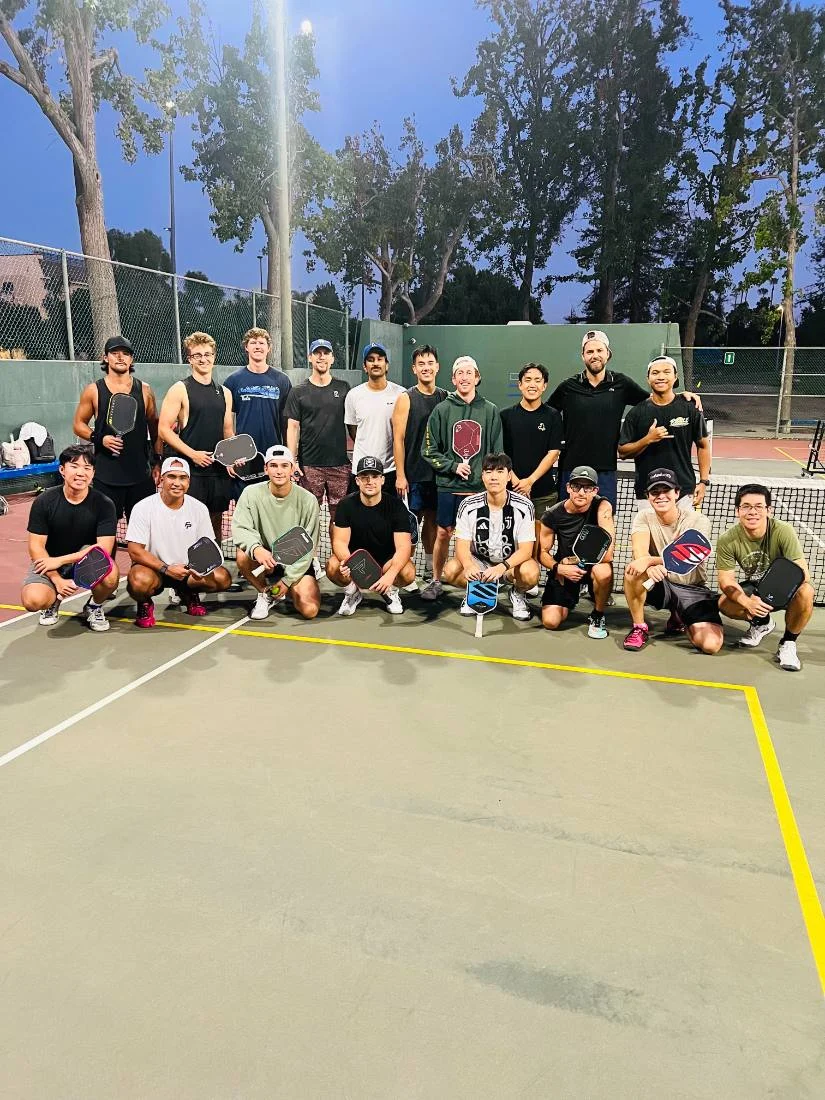
The leader is the person who keeps the ladder moving.
A club's format on paper — rotating partners, monthly resets, a queue — only works if someone is actually running it well. Across this issue's sourcing, the same specific qualities keep coming up: fairness, organization, and visible presence.
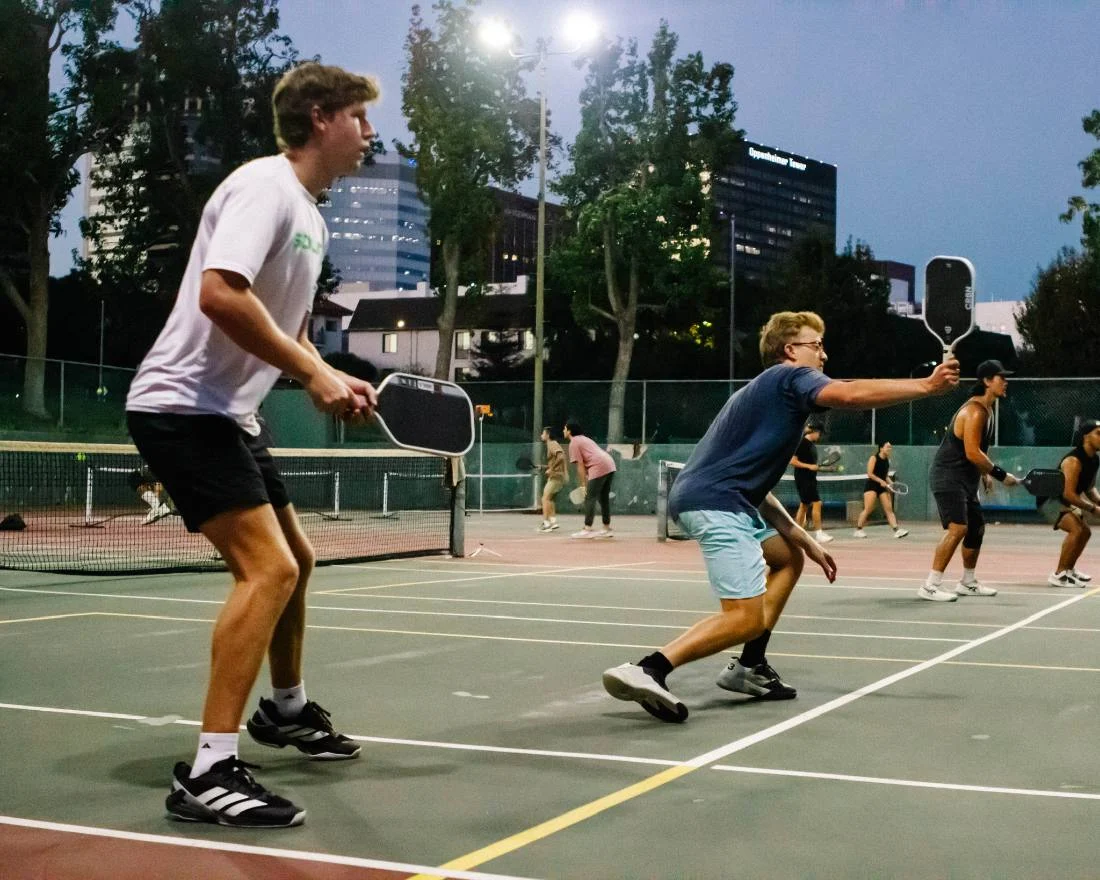
This issue's club and league coverage keeps naming specific people, not just brands: Skyline Pickleball's own player review singles out its leader by first initial for being "incredibly organized, informative, knowledgeable, and kind," someone who "ensures that everyone plays fairly and keeps everyone on track."1
Pickle Match Club describes its own operational role in similar terms, offering to run "courts, format, staffing, scoring and the graphics, produced end to end" for outside events under its own brand — explicitly positioning event operations as a service it sells because someone has to actually do that work well, every time.2
The pattern extends to bigger organizations too. Brooklyn Pickleball Team's apparel deal, covered elsewhere in this issue, was negotiated and announced by name — COO Adam Behnke and Centerline's Aubri Steele — not an anonymous corporate statement.3 At every scale in this issue, from a single weekly ladder to a professional franchise's sponsorship, the actual work of keeping things fair and moving runs through a specific, named person.
Municipal Planning & Facility Capital Horizons
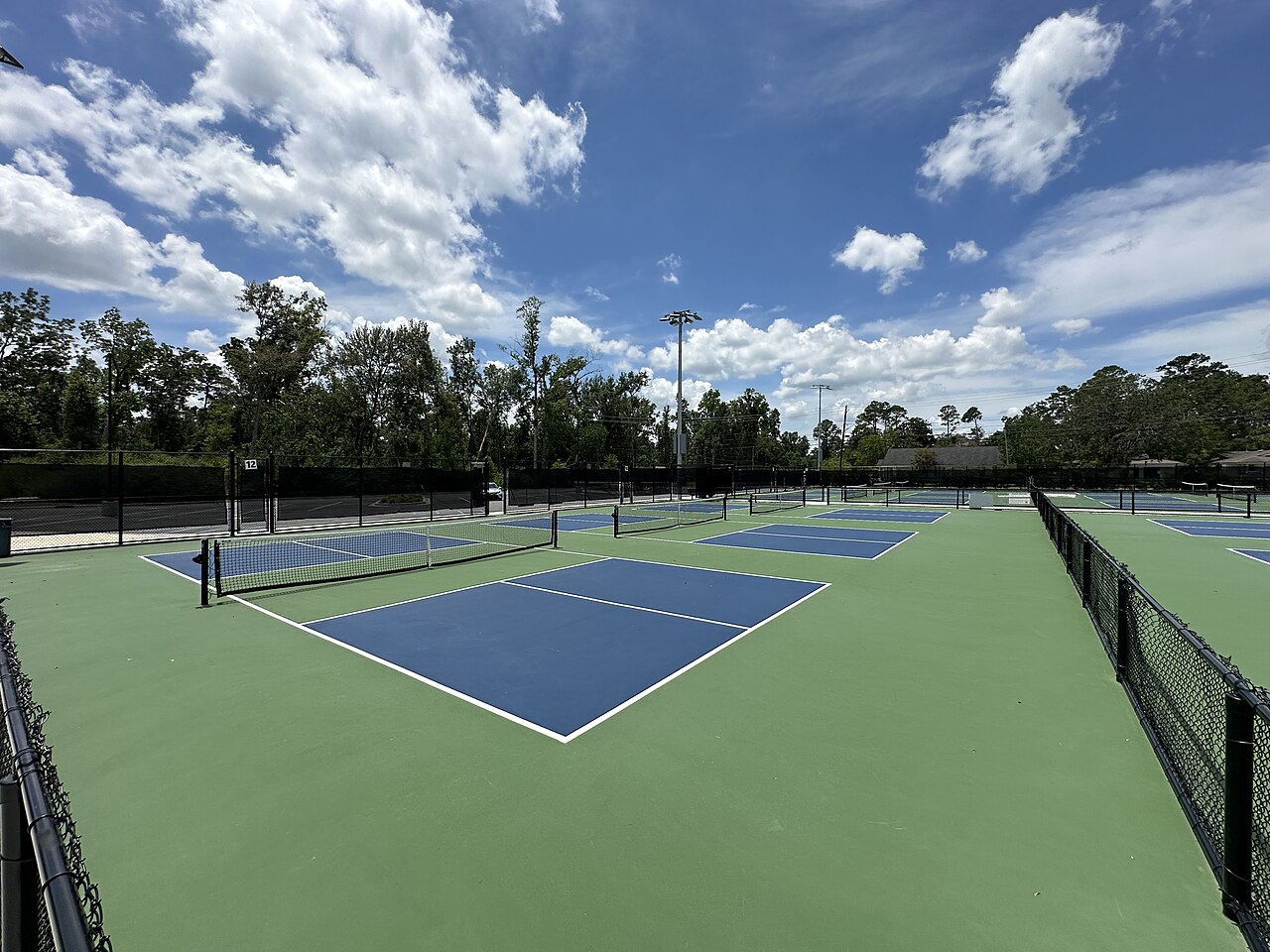
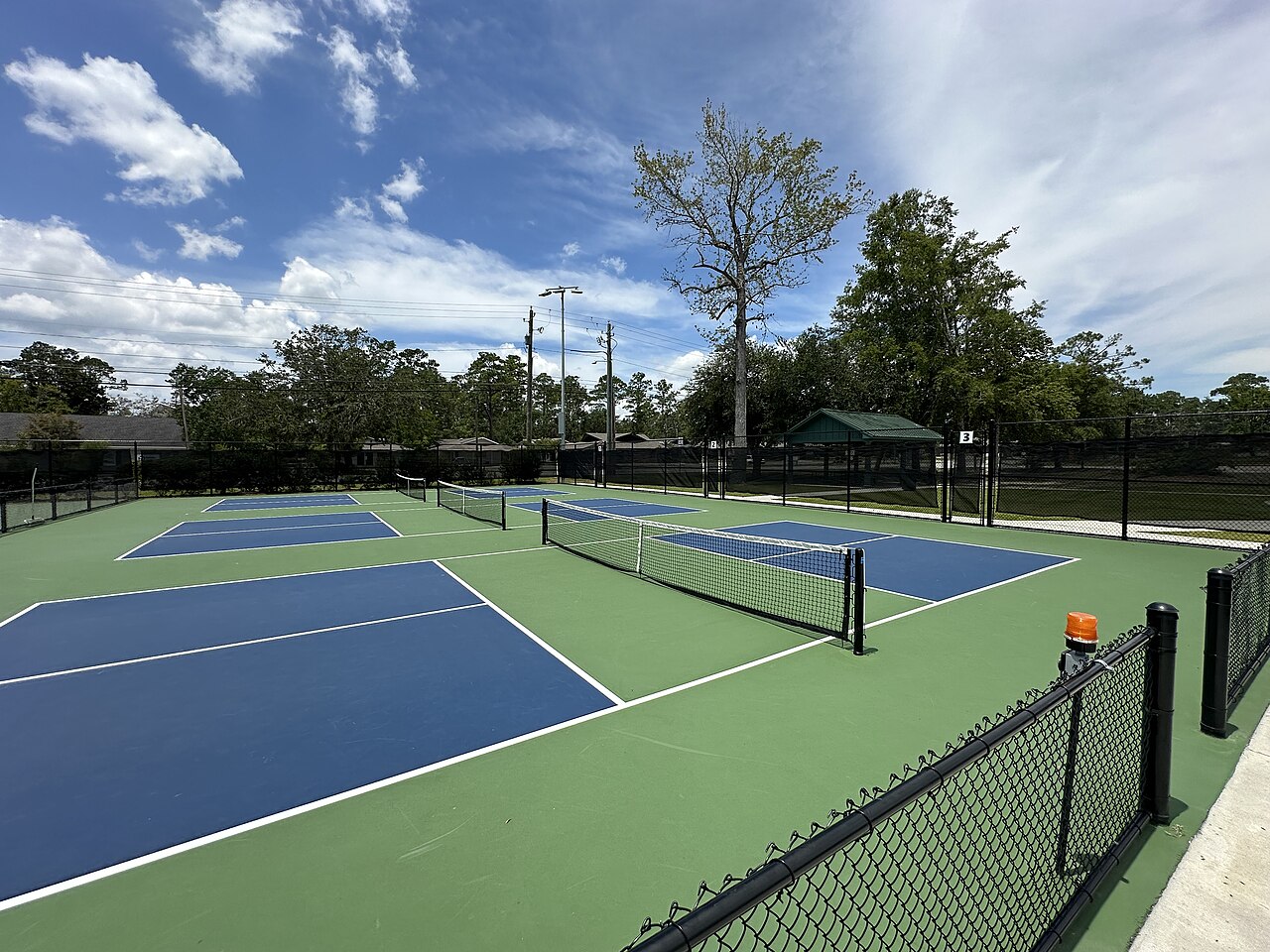
Beyond the immediate scheduling schedule, this facility illustrates the broader capital equation facing modern municipal planners. Converting public asphalt to dedicated court layouts is no longer an isolated park experiment; it represents a fundamental re-rating of recreational space efficiency.1 Where traditional tennis layouts support four players across 7,200 square feet, a multi-court pickleball footprint accommodates sixteen or more concurrent participants, quadrupling hourly throughput while concentrating court-wear dynamics on high-friction zones.1
For city agencies and concession operators, the ongoing operational bottleneck remains sound ecology and off-peak throughput management. High-frequency paddle impact at 1.2 kHz requires deliberate acoustic buffering, and the surrounding neighborhood stakeholders increasingly demand sound-mitigation curtains, verified decibel monitoring, and structured ladder rotations before greenlighting additional capital permits.1 As public recreation departments balance dedicated access against legacy court reservations, this location serves as a critical benchmark for urban density planning across the regional sports network.1
Sources
Every fact above comes from these public pages. Open the original to check it, or to read further.
- Skyline PickleballSkyline Pickleball: leagues & events in Los AngelesCaptured Sep 27, 2026
- Pickle Match ClubPickle Match Club homeCaptured Sep 27, 2026
- Centerline AthleticsCenterline Athletics Named Official Apparel Partner of BKPTMar 5, 2026
Chapter 06 · Club & CommunityRead it in the issue →