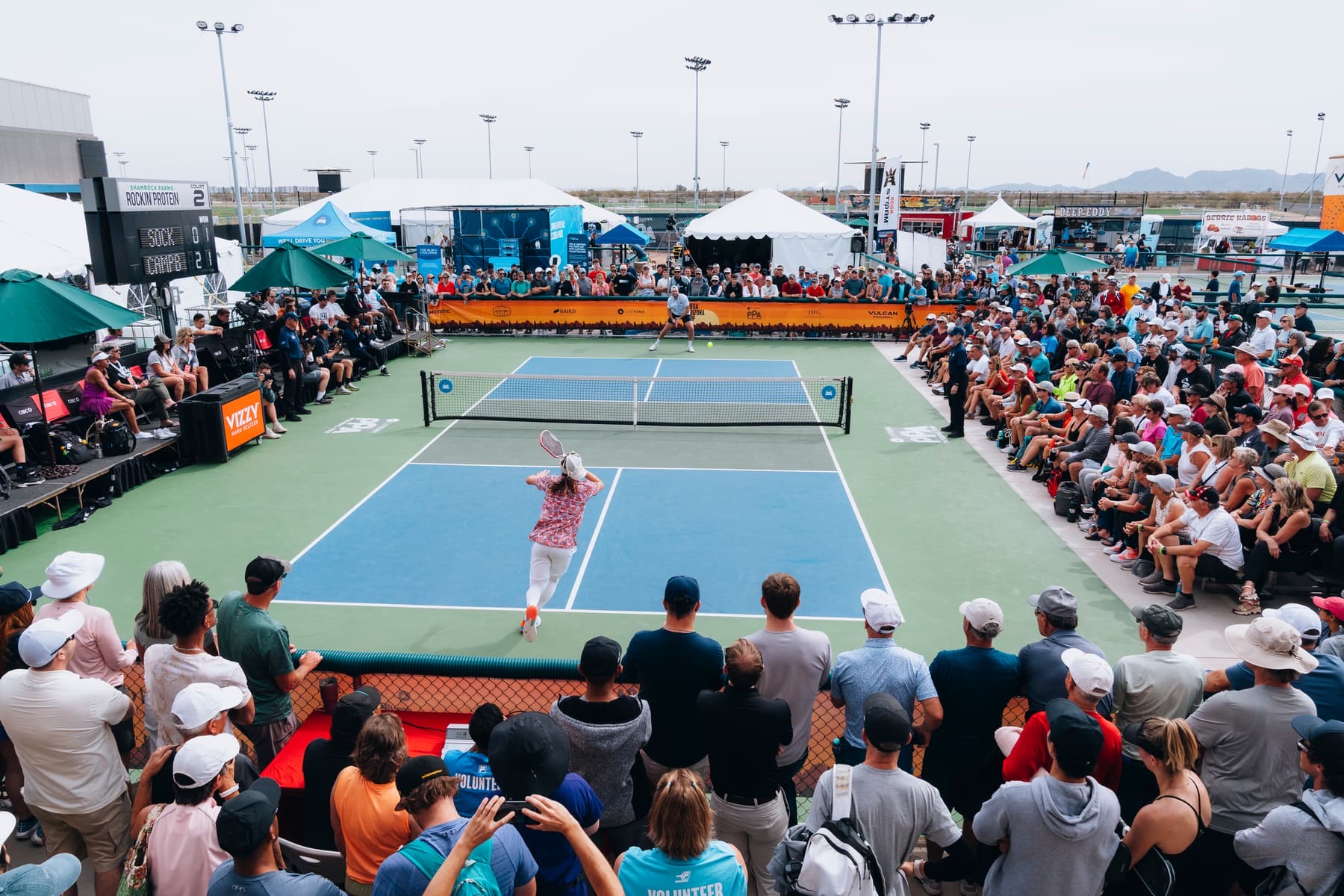
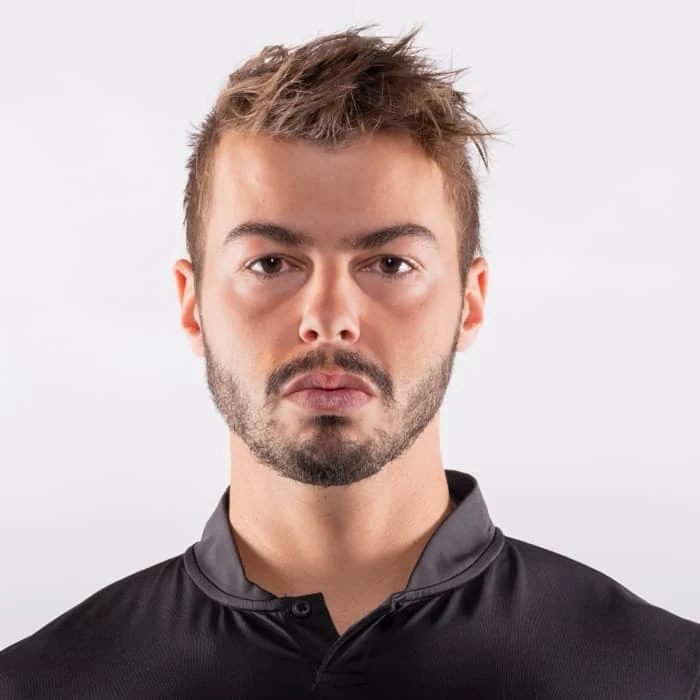
Sixteen is not too young for a serious lane.
Paddle brand Six Zero signed a 16-year-old to a sponsorship deal — and the Junior PPA's own rankings show a genuinely deep bench of teenagers already earning real ranking points behind her.
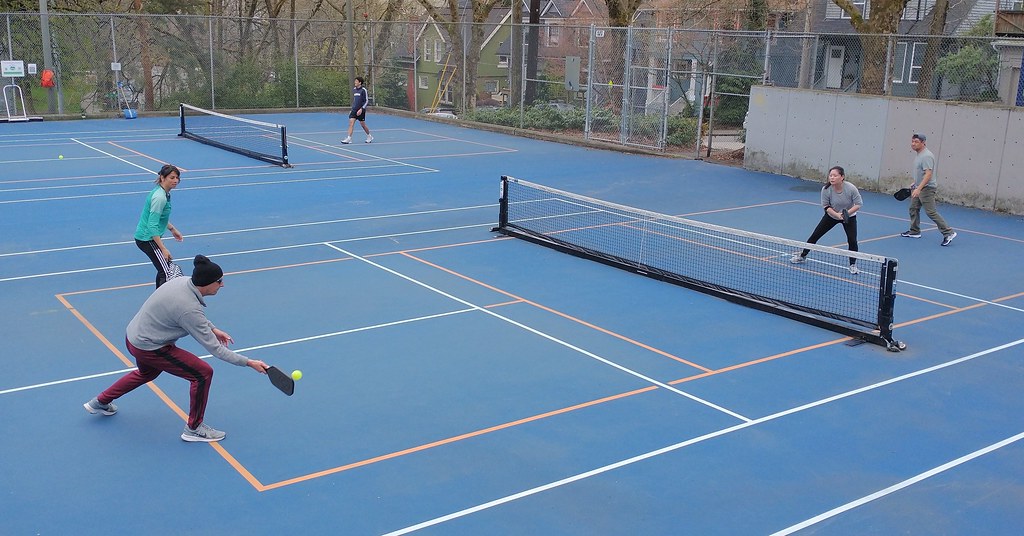
PPA coverage reports that paddle brand Six Zero signed 16-year-old Cailyn Campbell to a sponsorship deal.1 A single signing is a small data point on its own — brands sign promising young players in every sport — but set against the Junior PPA's own published rankings, it looks less like an outlier and more like evidence of how deep the youth talent pool already runs.
How deep the bench actually is
The Junior PPA Tour publishes full national rankings across four age groups (12U, 14U, 16U, 18U) and three formats (singles, doubles, mixed), for both boys and girls.2 The Boys Singles 18U rankings alone list 129 ranked players.2 At the very top, the gap is real but not enormous: George Wolf leads with 2,700 points at age 13, ahead of Francis Chi's 1,800 at 14 and Soli Mosseri's 1,300 at 16.2
Chart · Junior PPA, Boys 18U Singles
A 13-year-old leads a field of players up to 18
Top 5, Boys Singles 18U rankings, updated Sep 23, 2026
- A 13-year-old leads a field of players up to 18
- George Wolf (13)
- 2,700
- Francis Chi (14)
- 1,800
- Soli Mosseri (16)
- 1,300
- Ford Casady (17)
- 1,240
- Hudson Hall (16)
- 1,200
The top-ranked player is younger than three of the next fourRankings as published, not derived
Source: Junior PPA Tour rankings, updated Sep 23, 2026
Age is listed alongside rank; the ranking itself is points-based, not age-adjusted.
That table is the real story behind the Campbell signing: junior pickleball already has a national, points-based ranking infrastructure with well over a hundred ranked competitors in a single bracket, and brands are now signing based on that visible talent pipeline rather than word of mouth.
Competitive Meta & Biomechanical Reset Dynamics
At the professional championship tier, this dynamic highlights a macro shift in how tour players construct points from the transition zone. As paddle face dwell times decrease and power-core carbon fiber compositions accelerate ball speeds toward 65 mph, winning margins are determined not by baseline groundstrokes but by 0.19-second reflex exchanges at the non-volley zone line.1 Tactical video breakdown confirms that top-seeded competitors are systematically prioritizing aggressive counter-punches over defensive resets, forcing opponents to speed up from disadvantageous low-contact heights.1
This evolution has triggered a parallel restructuring of athlete training regimens and commercial brand alignment. Tour pros now operate specialized movement labs with high-speed optical tracking, calibrating paddle balance weights to within tenths of an ounce while managing heavy tournament schedules across national circuits.1 As commercial endorsement portfolios expand into footwear, nutritional recovery, and regional club franchises, top athletes are establishing durable enterprise equity across the evolving professional sports landscape.1
Sources
Every fact above comes from these public pages. Open the original to check it, or to read further.
- Carvana PPA TourNewsroom coverageSep 2026
- Junior PPA TourJunior PPA Tour: rankings and scheduleCaptured Sep 28, 2026
Chapter 04 · Tour & RankingsRead it in the issue →