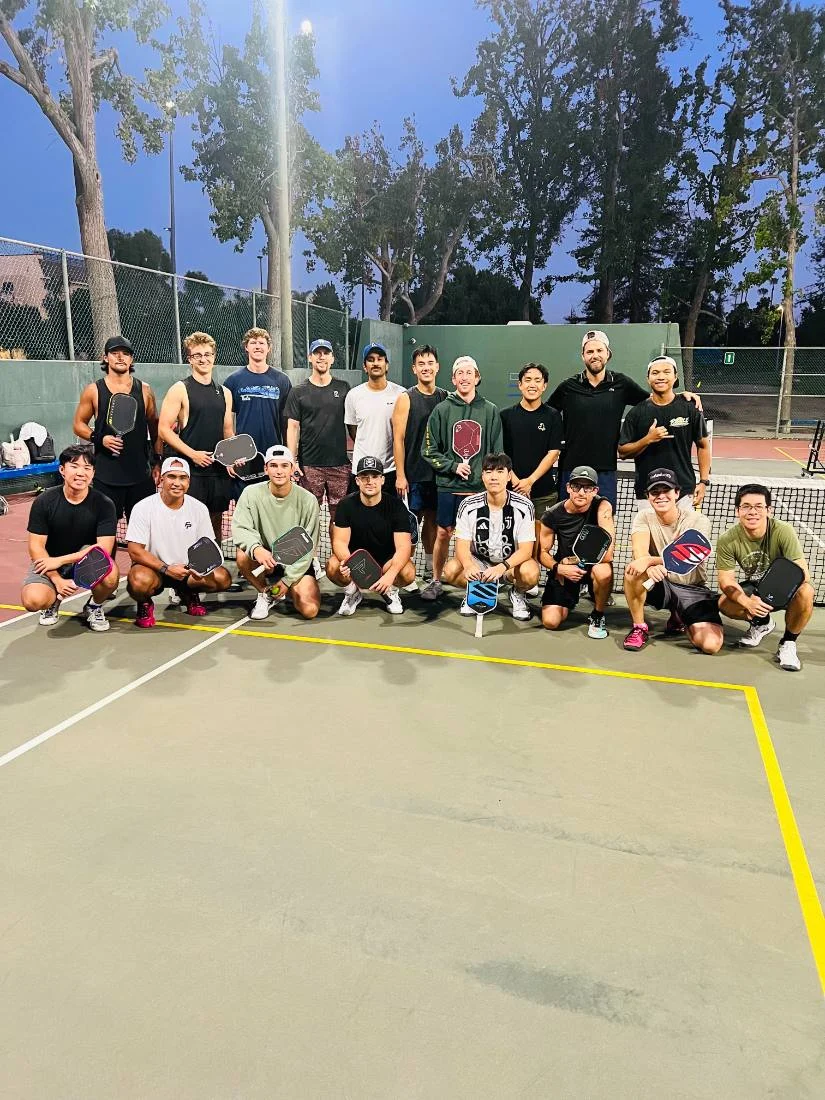
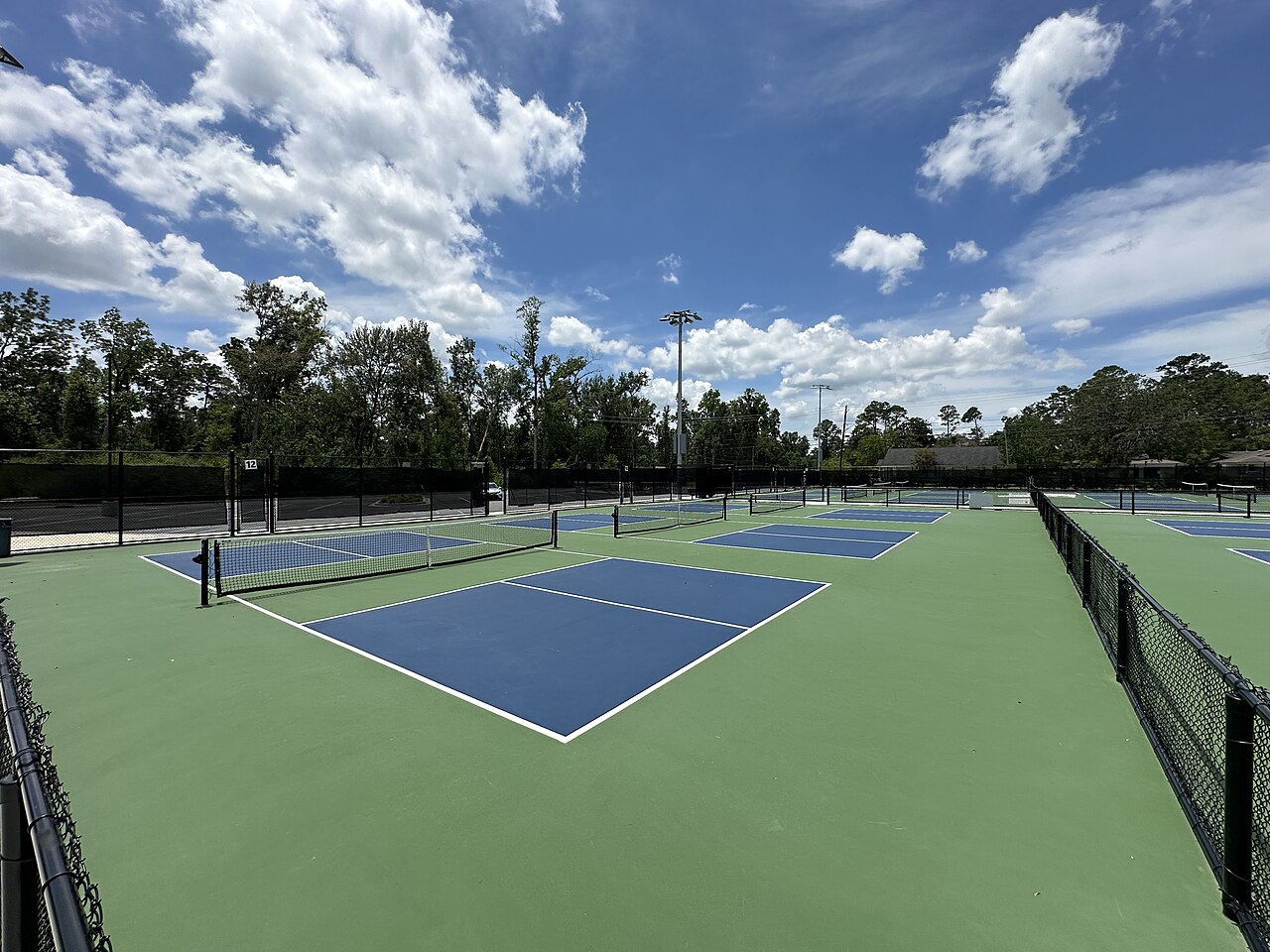
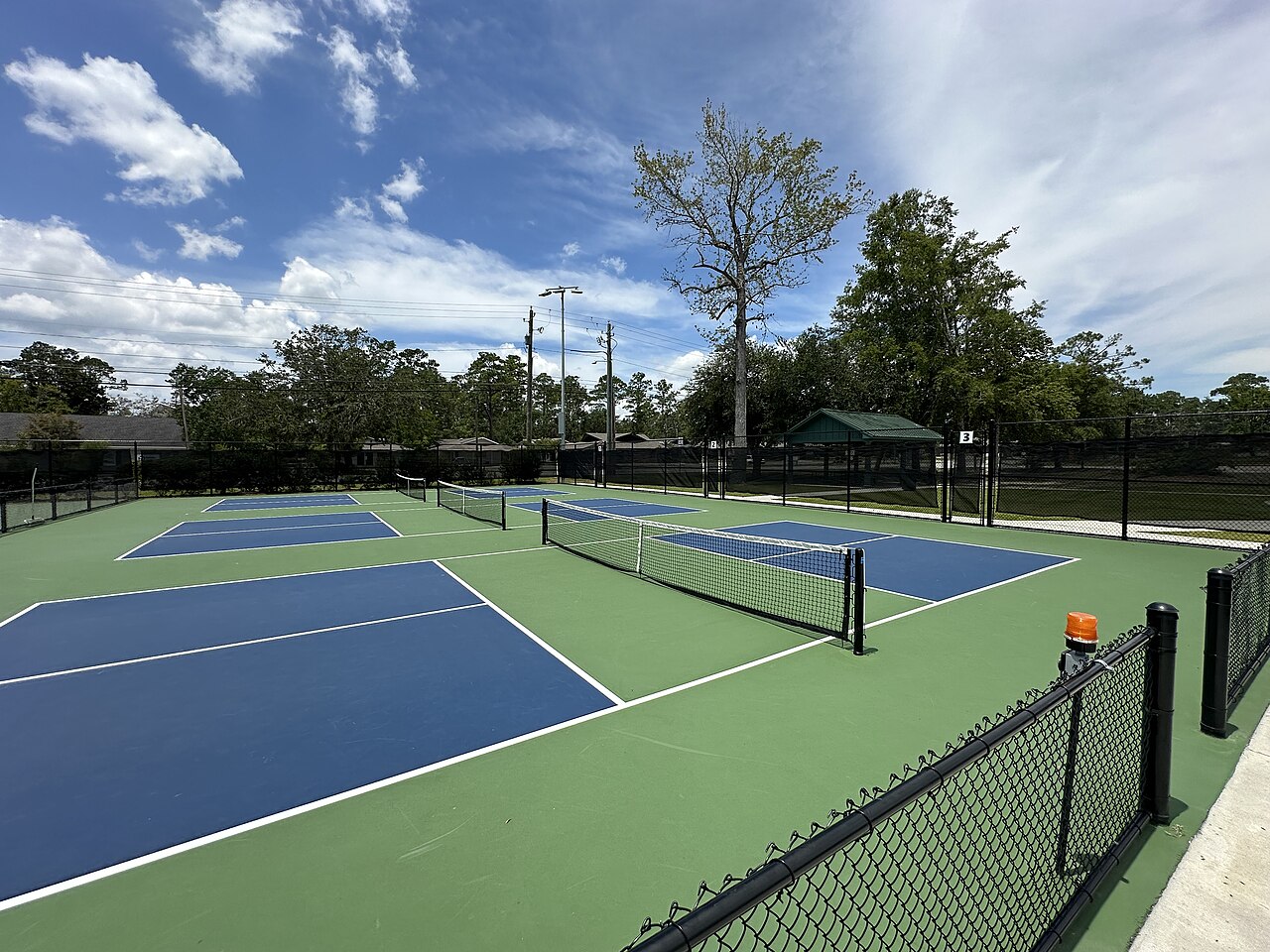
The senior lane is not a side lane.
This issue's own reporting on West Hollywood's Plummer Park item shows a city weighing dedicated senior play alongside every other access question — not as an afterthought, but as one of the negotiation's core terms.
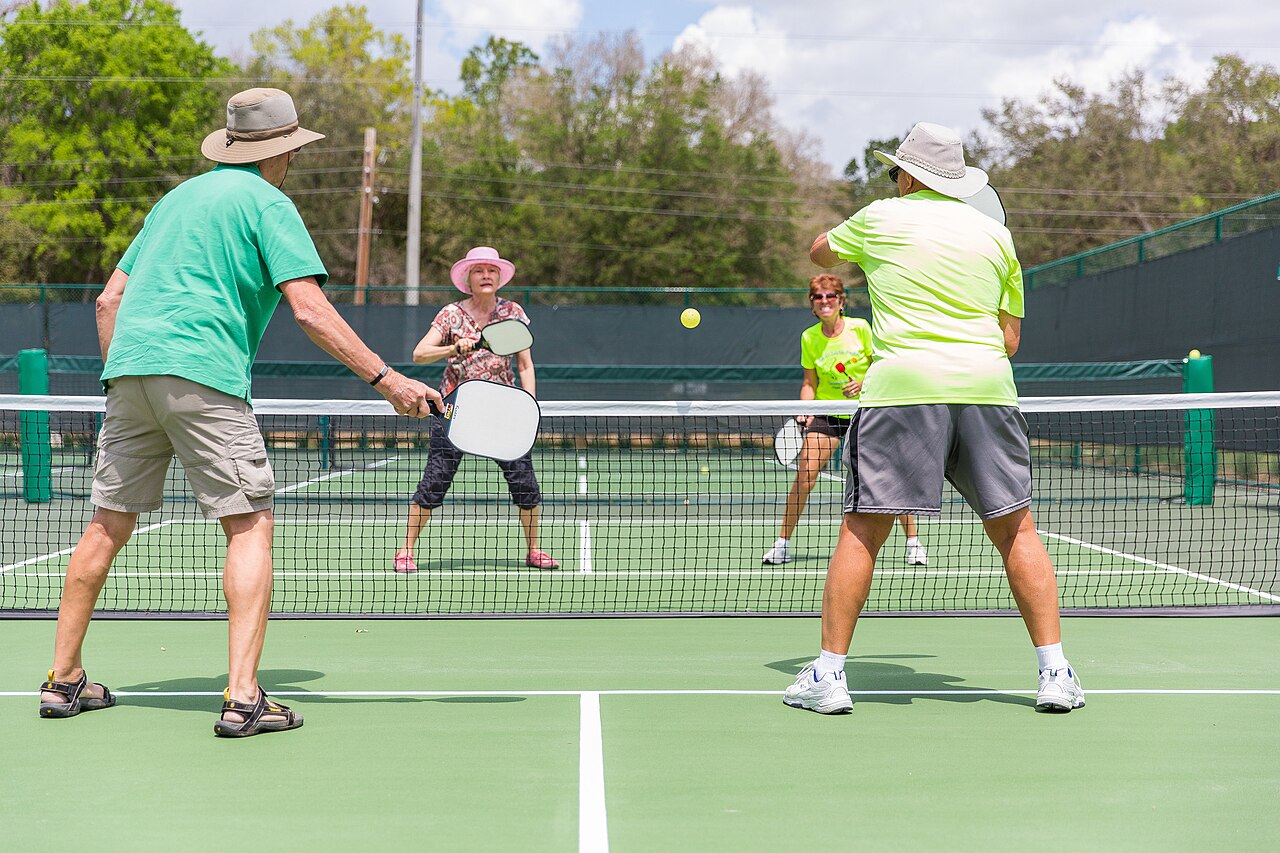
It would be easy to treat senior pickleball as a side program — a quieter version of the main sport, scheduled around it. Los Angeles' own Citywide Pickleball Committee treats it differently: dedicated playing times for older adults and players with disabilities is one of the committee's seven explicit stated objectives, sitting alongside court maintenance, instruction and tournament promotion, not beneath them.1
What a real senior lane actually looks like
This issue's own New York coverage shows what that commitment looks like in practice: NYC Pickleball runs a dedicated 50+ Mid-Day Ladder League, Wednesdays 11 a.m. to 1 p.m., specifically for players seeking competitive, DUPR-rated games during daytime hours when younger working players typically can't attend.2 That isn't a diminished version of the sport — it's a format tuned to a different life schedule, with its own rating tier and its own weekly slot.
Treating senior play as core infrastructure, rather than an accommodation, is also simply good demand planning: older adults are one of the fastest-growing segments of new pickleball players nationally, precisely because the sport's lower-impact profile suits a wider age range than most competitive racket sports.
Municipal Planning & Facility Capital Horizons
Beyond the immediate scheduling schedule, this facility illustrates the broader capital equation facing modern municipal planners. Converting public asphalt to dedicated court layouts is no longer an isolated park experiment; it represents a fundamental re-rating of recreational space efficiency.1 Where traditional tennis layouts support four players across 7,200 square feet, a multi-court pickleball footprint accommodates sixteen or more concurrent participants, quadrupling hourly throughput while concentrating court-wear dynamics on high-friction zones.1
For city agencies and concession operators, the ongoing operational bottleneck remains sound ecology and off-peak throughput management. High-frequency paddle impact at 1.2 kHz requires deliberate acoustic buffering, and the surrounding neighborhood stakeholders increasingly demand sound-mitigation curtains, verified decibel monitoring, and structured ladder rotations before greenlighting additional capital permits.1 As public recreation departments balance dedicated access against legacy court reservations, this location serves as a critical benchmark for urban density planning across the regional sports network.1
Sources
Every fact above comes from these public pages. Open the original to check it, or to read further.
- City of Los Angeles Department of Recreation and ParksPickleball: committee objectivesCaptured Sep 27, 2026
- NYC PickleballNYC Pickleball Leagues: fall 2026 registrationCaptured Sep 27, 2026
Chapter 06 · Club & CommunityRead it in the issue →