Harlem puts a public tournament on the calendar.
The Harlem Pickleball Association’s September tournament turned Jackie Robinson Park into a date, a format and a way in, with a division for older players and no rating required.
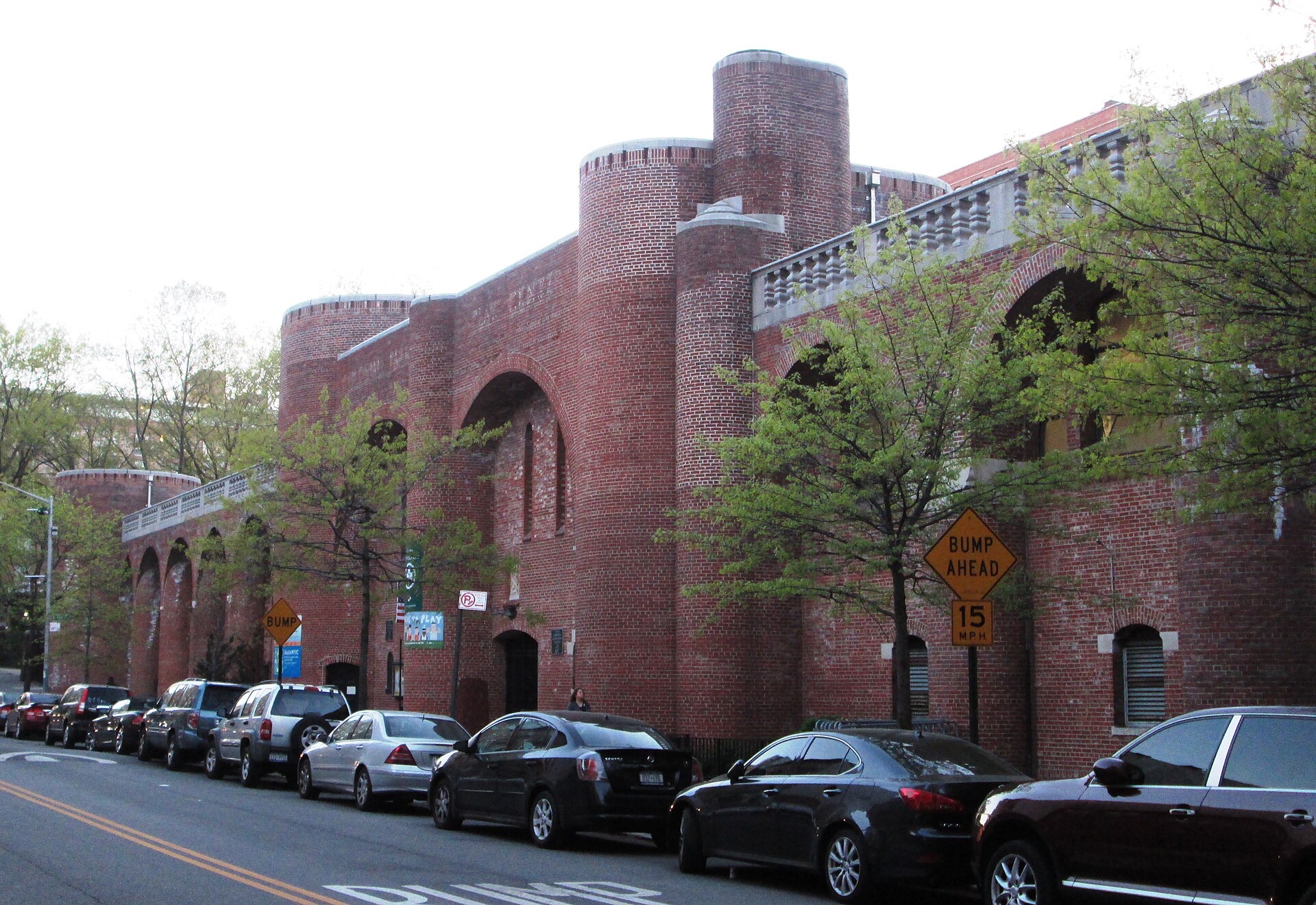
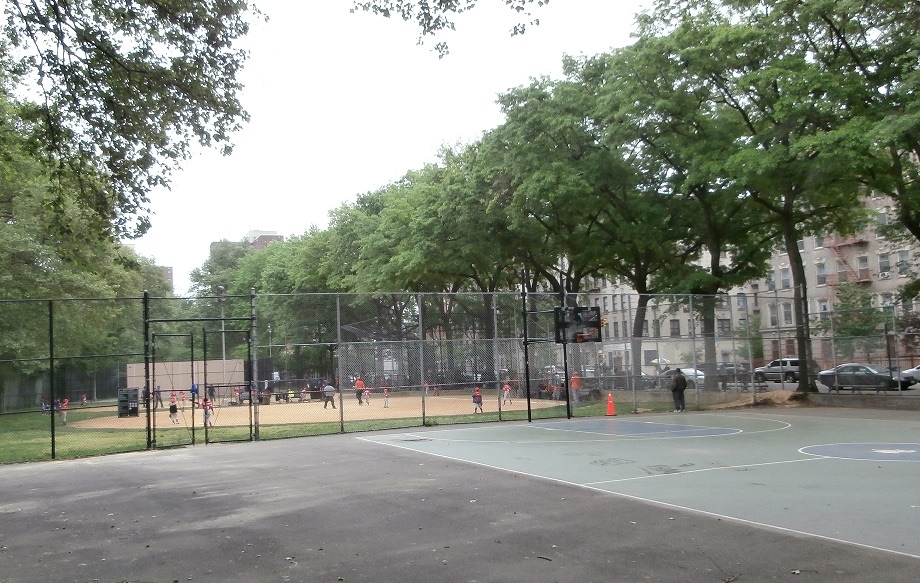
A public park becomes a tournament venue when someone writes down the details. The Harlem Pickleball Association did that for September: its tournament listing puts play at Jackie Robinson Park, at Bradhurst Avenue and West 152nd Street in Manhattan, on the weekend of September 26–27, 2026.1
The listing is a good example of what makes a community event easy to join. It gives a place, start times, a format, fees, a deadline and a contact, and it tells you what happens if you don’t have a partner.1
The format
Two divisions were listed: Open Doubles at 10 a.m. and a Silver Paddles Open Doubles at 2 p.m., with brackets to be announced. Each bracket was capped at 16 teams. Every division plays a semifinal and final, with medals for first, second and third.1
Registration is individual, but players were encouraged to sign up with a partner. Anyone who registered alone would be placed on a team within their chosen division.1 That single line removes one of the biggest reasons people skip local events.
Ratings without gatekeeping
The listing asks for a DUPR account but not a DUPR rating, and match scores are submitted to DUPR.1 In practice, that means a newer player can enter, get their first rated results and leave with a number, rather than needing one to get in the door.
What we saw, and what we didn’t
When we captured the listing on September 27, registration had closed and the page showed nine registered players.1 The event fell after this issue’s reporting window, and we have not seen published results, so this story does not report winners or turnout on the day.
The bigger point is the pattern. Harlem’s tournament sits alongside the league ladders listed by NYC Pickleball in Brooklyn and Queens, which give players a weekly lane.2 A neighborhood event like this one gives them a day to aim for, and the Silver Paddles division gives older players their own bracket.
Municipal Planning & Facility Capital Horizons
Beyond the immediate scheduling schedule, this facility illustrates the broader capital equation facing modern municipal planners. Converting public asphalt to dedicated court layouts is no longer an isolated park experiment; it represents a fundamental re-rating of recreational space efficiency.1 Where traditional tennis layouts support four players across 7,200 square feet, a multi-court pickleball footprint accommodates sixteen or more concurrent participants, quadrupling hourly throughput while concentrating court-wear dynamics on high-friction zones.1
For city agencies and concession operators, the ongoing operational bottleneck remains sound ecology and off-peak throughput management. High-frequency paddle impact at 1.2 kHz requires deliberate acoustic buffering, and the surrounding neighborhood stakeholders increasingly demand sound-mitigation curtains, verified decibel monitoring, and structured ladder rotations before greenlighting additional capital permits.1 As public recreation departments balance dedicated access against legacy court reservations, this location serves as a critical benchmark for urban density planning across the regional sports network.1
Sources
Every fact above comes from these public pages. Open the original to check it, or to read further.
- Global Pickleball NetworkHPA September 2026 Tournament (Harlem Pickleball Association listing)Captured Sep 27, 2026
- NYC PickleballNYC Pickleball Leagues: fall 2026Captured Sep 27, 2026
Chapter 02 · New YorkRead it in the issue →