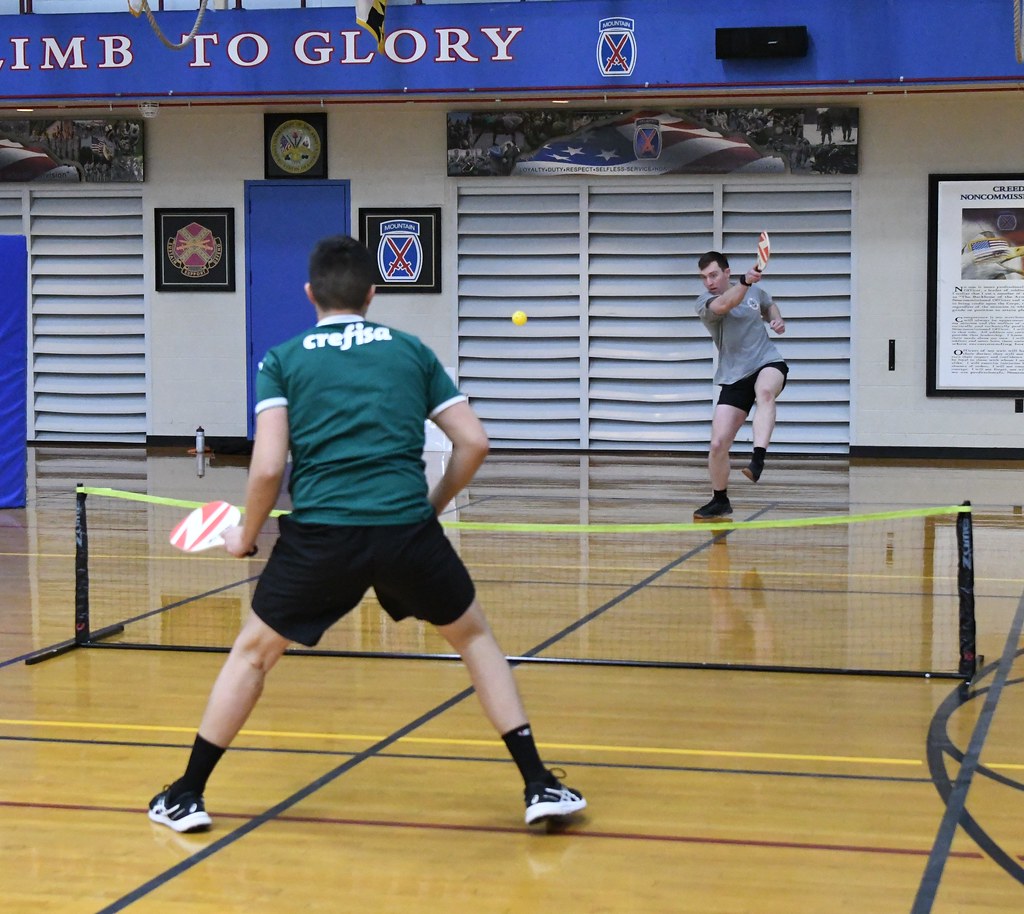
The shoulder story starts before the serve.
Repetitive overhead and rotational motion is what makes pickleball fun to play often — and it's also why shoulder health has to be part of a weekly routine, not an afterthought after pain shows up.
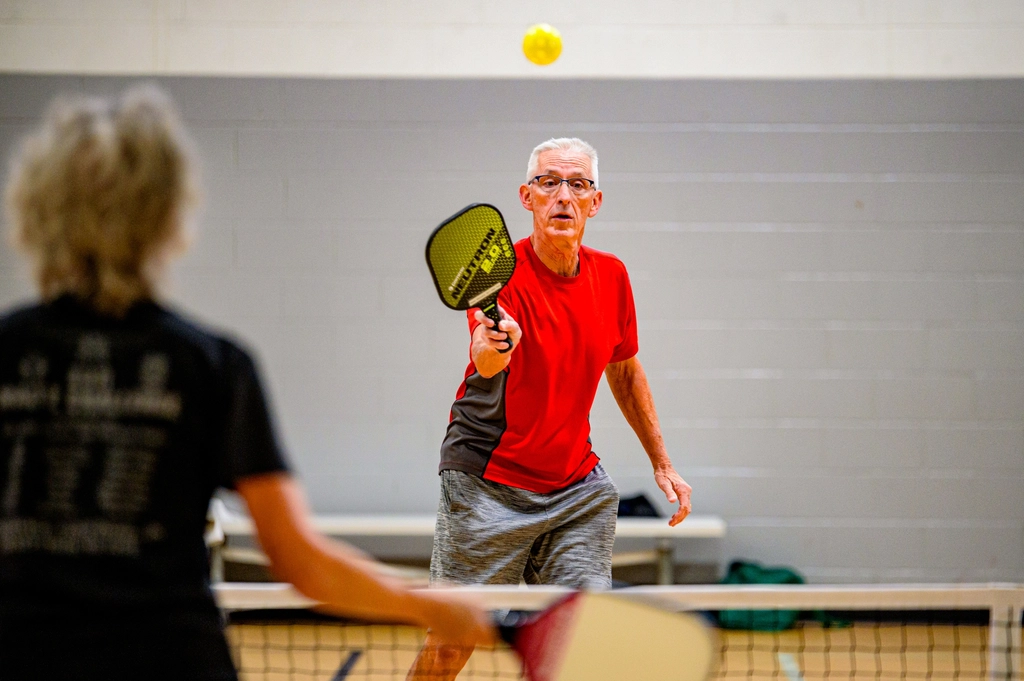
Part of what makes pickleball spread so fast is how playable it is, often — a smaller court and shorter points mean many players show up two or three times a week, sometimes more, in leagues covered elsewhere in this issue.1 That same frequency is exactly what makes shoulder health a real, ongoing concern rather than a one-time injury risk.
Why frequency changes the calculation
A sport played once a week gives a shoulder time to recover between sessions. A sport played three or four times a week on ladder leagues and club nights — the pattern this issue documents at NYC Pickleball, Pickle Match Club and elsewhere — compresses that recovery window. Overhead serves, repetitive rotational swings at the net, and quick direction changes all load the same joint repeatedly, with less rest between exposures.
That's the practical argument for building shoulder care into a weekly routine rather than treating it as something to address only after pain appears: by the time a shoulder hurts during a serve, the underlying load pattern has usually been building for weeks.
Municipal Planning & Facility Capital Horizons
Beyond the immediate scheduling schedule, this facility illustrates the broader capital equation facing modern municipal planners. Converting public asphalt to dedicated court layouts is no longer an isolated park experiment; it represents a fundamental re-rating of recreational space efficiency.1 Where traditional tennis layouts support four players across 7,200 square feet, a multi-court pickleball footprint accommodates sixteen or more concurrent participants, quadrupling hourly throughput while concentrating court-wear dynamics on high-friction zones.1
For city agencies and concession operators, the ongoing operational bottleneck remains sound ecology and off-peak throughput management. High-frequency paddle impact at 1.2 kHz requires deliberate acoustic buffering, and the surrounding neighborhood stakeholders increasingly demand sound-mitigation curtains, verified decibel monitoring, and structured ladder rotations before greenlighting additional capital permits.1 As public recreation departments balance dedicated access against legacy court reservations, this location serves as a critical benchmark for urban density planning across the regional sports network.1
Sources
Every fact above comes from these public pages. Open the original to check it, or to read further.
- NYC PickleballNYC Pickleball Leagues: fall 2026 registrationCaptured Sep 27, 2026
Chapter 05 · Craft & GearRead it in the issue →