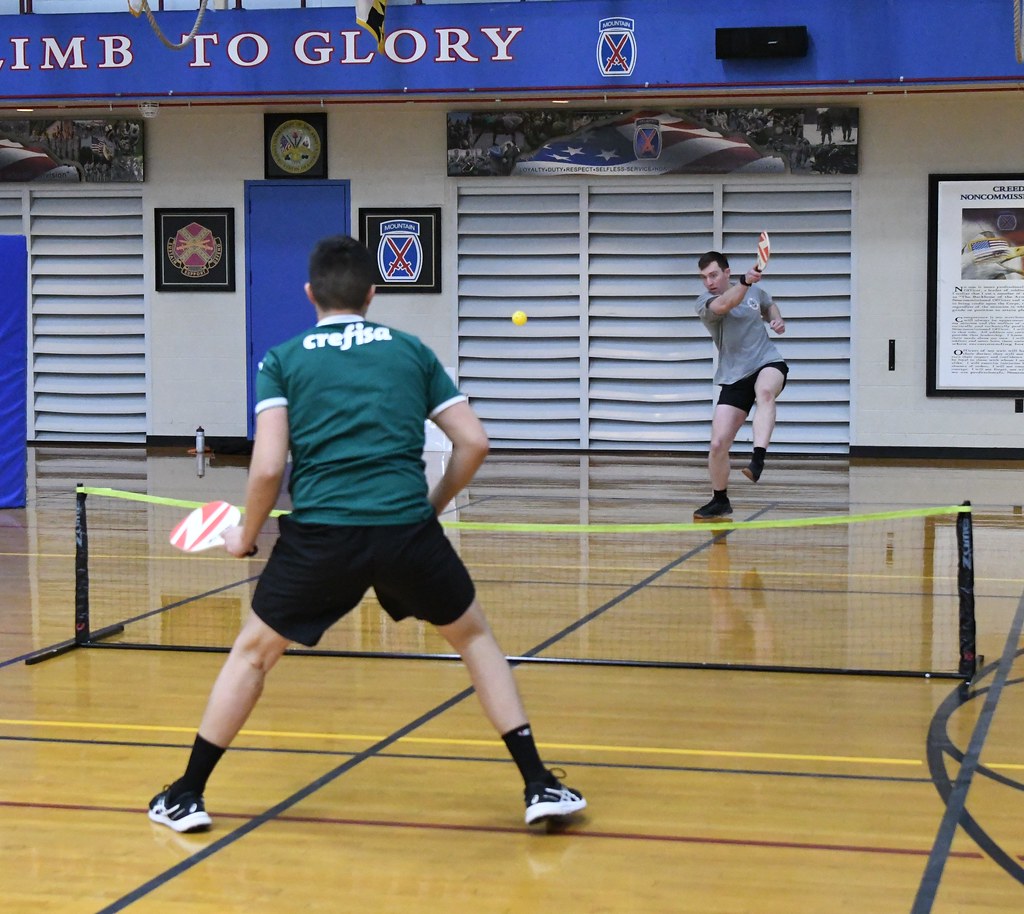
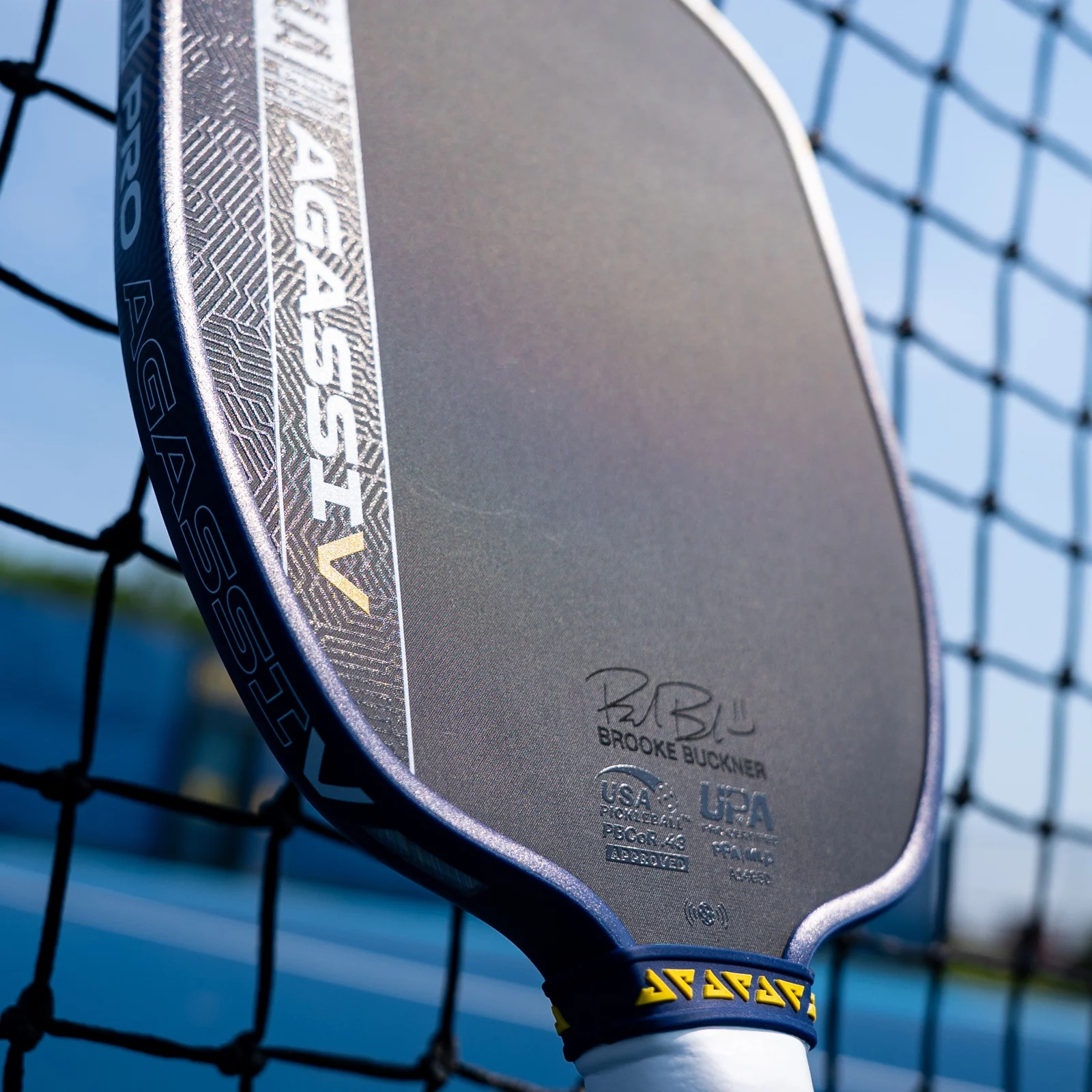
Physiology belongs in the weekly rhythm.
USA Pickleball's own growth numbers show a sport built on frequent play across every age group — which is exactly why recovery and conditioning need to sit inside a player's weekly schedule, alongside the matches themselves.
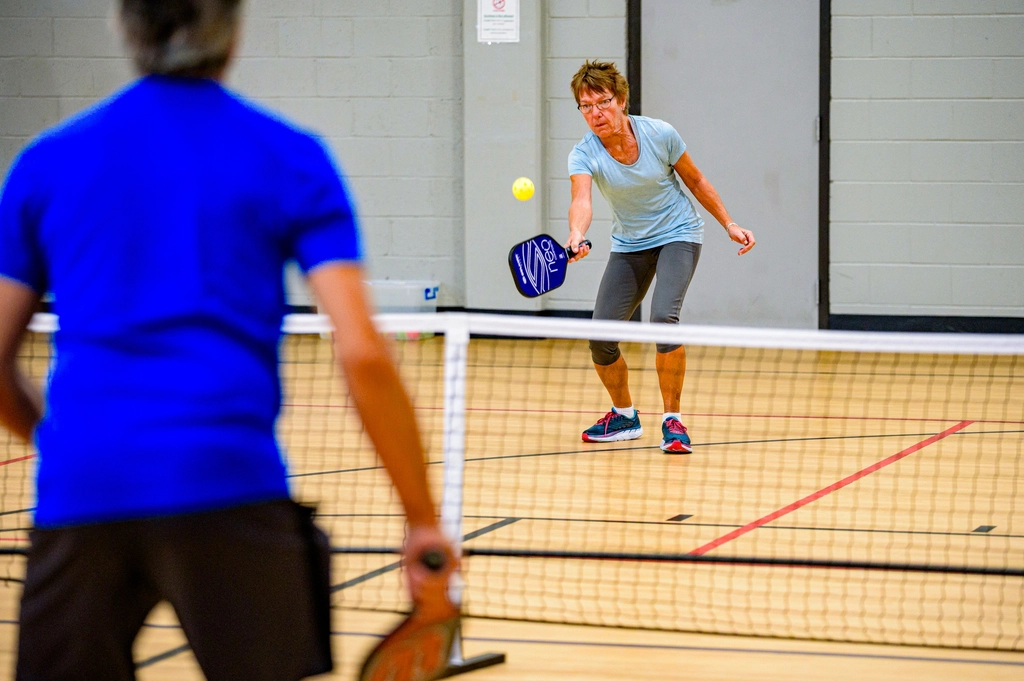
USA Pickleball's own 2025 Annual Growth Report shows a sport with real scale and real age range: 104,828 members nationwide, and a National Championships field spanning an 11-year-old competitor to an 87-year-old.1 A sport played this widely, this often, across that wide an age span, cannot treat physical conditioning as optional extra credit.
What the scale actually implies
With 144 tournaments sanctioned in 2025 alone, and club and league play running on top of that, an active competitive player's calendar fills quickly.1 For a 60-year-old picking up the sport for the first time, in particular, the physical demands — lateral movement, overhead motion, quick stops — are a genuine adjustment from a more sedentary baseline, not a minor one.
The practical implication, echoed elsewhere in this issue's coaching and health coverage: recovery, mobility work and conditioning need to be scheduled with the same seriousness as a league night, not treated as something to squeeze in if there's time left over.
Competitive Meta & Biomechanical Reset Dynamics
At the professional championship tier, this dynamic highlights a macro shift in how tour players construct points from the transition zone. As paddle face dwell times decrease and power-core carbon fiber compositions accelerate ball speeds toward 65 mph, winning margins are determined not by baseline groundstrokes but by 0.19-second reflex exchanges at the non-volley zone line.1 Tactical video breakdown confirms that top-seeded competitors are systematically prioritizing aggressive counter-punches over defensive resets, forcing opponents to speed up from disadvantageous low-contact heights.1
This evolution has triggered a parallel restructuring of athlete training regimens and commercial brand alignment. Tour pros now operate specialized movement labs with high-speed optical tracking, calibrating paddle balance weights to within tenths of an ounce while managing heavy tournament schedules across national circuits.1 As commercial endorsement portfolios expand into footwear, nutritional recovery, and regional club franchises, top athletes are establishing durable enterprise equity across the evolving professional sports landscape.1
Sources
Every fact above comes from these public pages. Open the original to check it, or to read further.
- USA PickleballAnnual Growth Report: Key InsightsUpdated Jan 30, 2026
Chapter 05 · Craft & GearRead it in the issue →