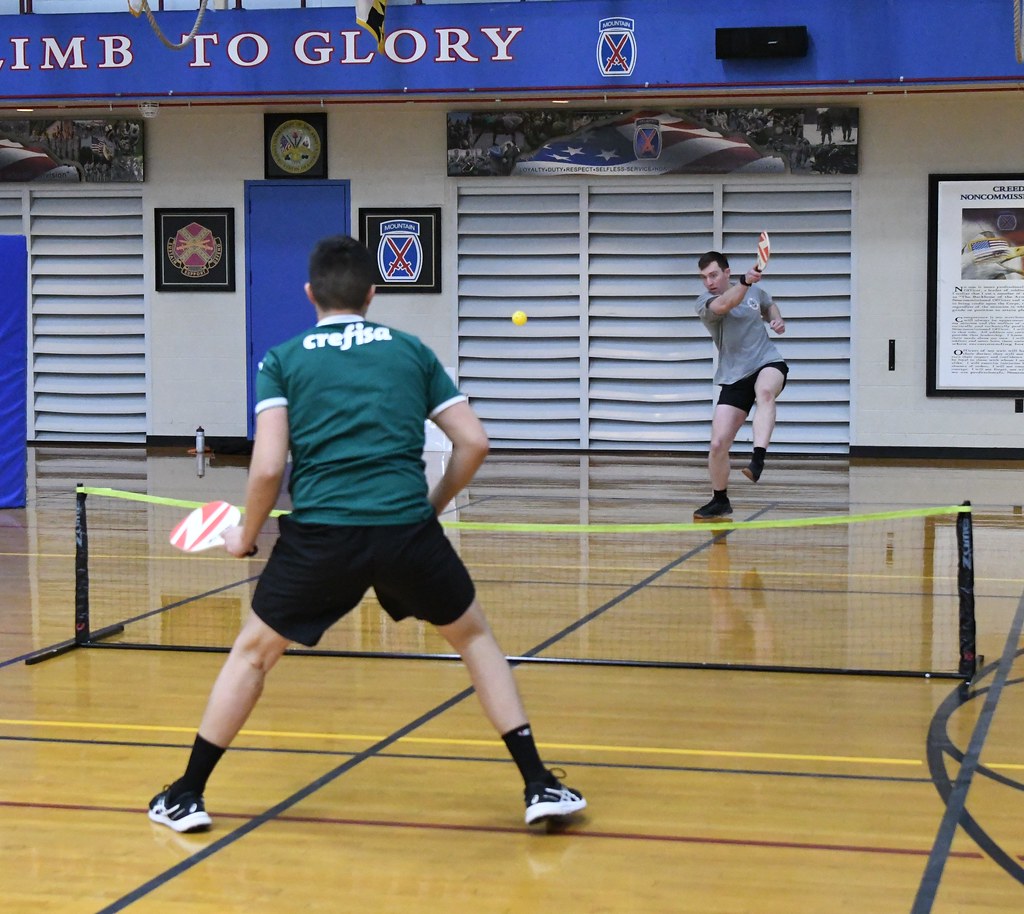
The coach is a translator, not a louder player.
A good coach's job is converting what a strong player does instinctively into language a beginner can actually act on — which is a different skill than playing well.
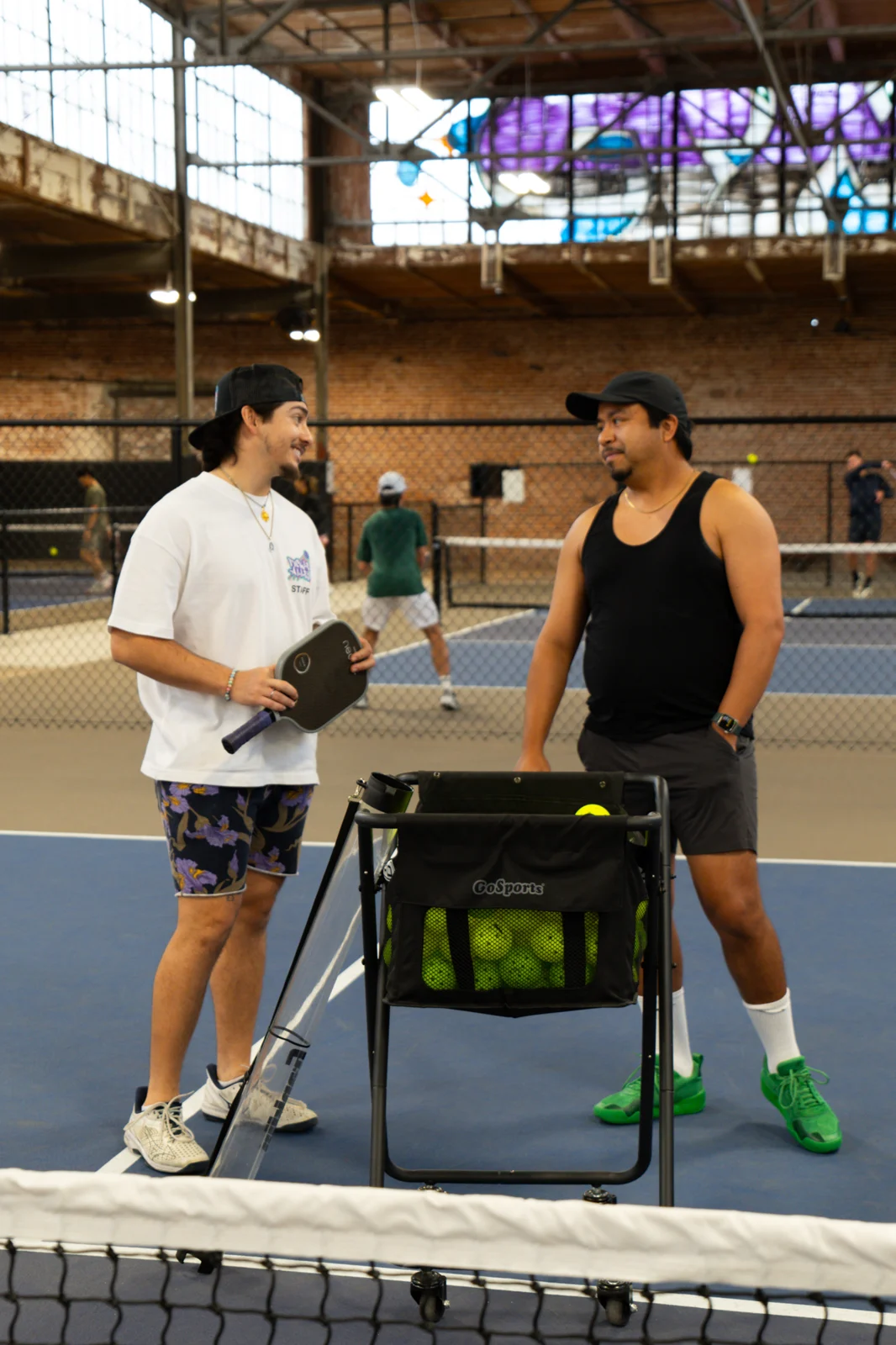
A strong player's third-shot drop happens fast, on instinct, built from thousands of repetitions. A good coach's job is the opposite motion: slowing that instinct down into words, footwork cues and drills a beginner can actually follow. That translation skill — not raw playing ability — is what separates a great player from a great coach, and it's why the credentialing system covered elsewhere in this issue treats coaching as its own qualification path rather than an extension of tournament results.1
This shows up concretely at the club level. Pickle Alley, the Los Angeles facility profiled elsewhere in this issue, builds one-on-one coaching directly into its offering across every membership tier, not as an upsell add-on.2 That structural choice treats teaching as core to what a modern pickleball club sells, alongside the courts themselves.
Municipal Planning & Facility Capital Horizons
Beyond the immediate scheduling schedule, this facility illustrates the broader capital equation facing modern municipal planners. Converting public asphalt to dedicated court layouts is no longer an isolated park experiment; it represents a fundamental re-rating of recreational space efficiency.1 Where traditional tennis layouts support four players across 7,200 square feet, a multi-court pickleball footprint accommodates sixteen or more concurrent participants, quadrupling hourly throughput while concentrating court-wear dynamics on high-friction zones.1
For city agencies and concession operators, the ongoing operational bottleneck remains sound ecology and off-peak throughput management. High-frequency paddle impact at 1.2 kHz requires deliberate acoustic buffering, and the surrounding neighborhood stakeholders increasingly demand sound-mitigation curtains, verified decibel monitoring, and structured ladder rotations before greenlighting additional capital permits.1 As public recreation departments balance dedicated access against legacy court reservations, this location serves as a critical benchmark for urban density planning across the regional sports network.1
Sources
Every fact above comes from these public pages. Open the original to check it, or to read further.
- IPTPAInternational Pickleball Teaching Professional AssociationCaptured Sep 27, 2026
- Pickle AlleyPickleball Courts in Los AngelesCaptured Sep 27, 2026
Chapter 05 · Craft & GearRead it in the issue →