A lesson plan for the first ten minutes.
The kitchen rule trips up more new players than any other part of the game — which is why the clubs and guides in this issue's sourcing put it first, not last, in a beginner's introduction.
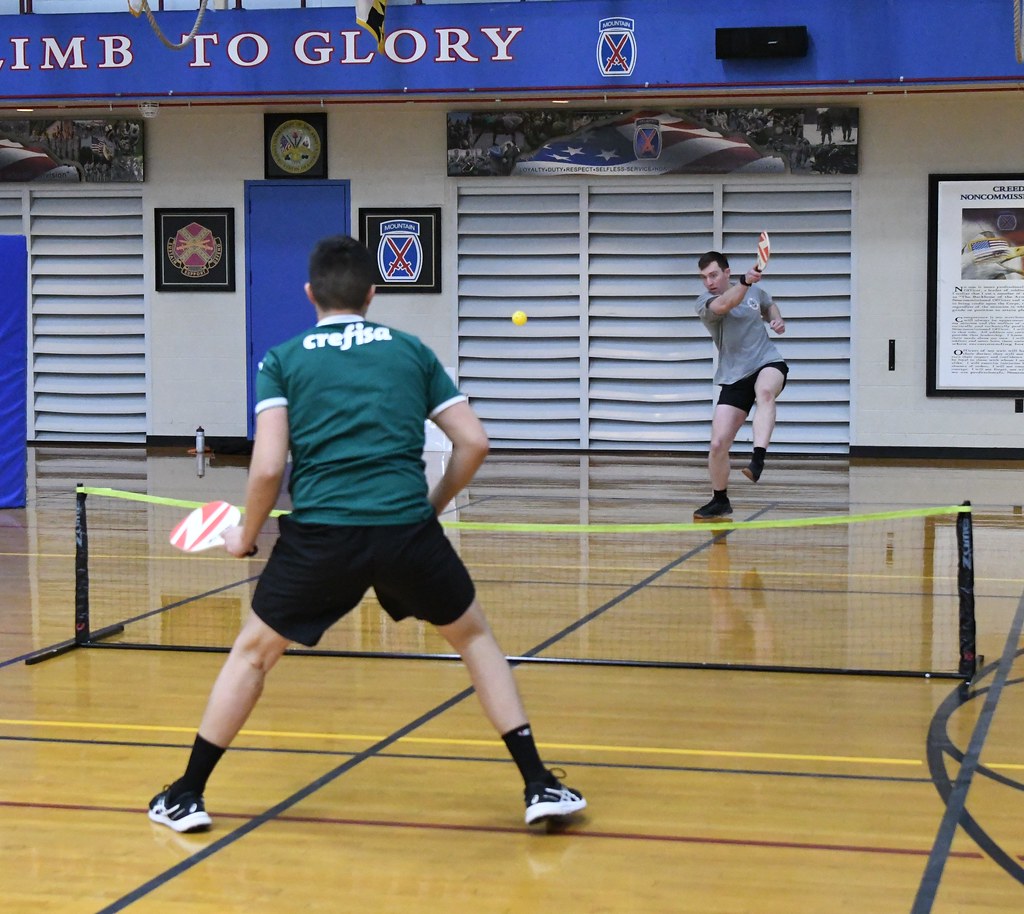
Ask any experienced player what trips up beginners first, and the answer is consistent across this issue's sourcing: the kitchen. LA Pickle Club's own beginner rules guide puts it as rule number one — the seven-foot no-volley zone on both sides of the net, including its lines, where a player cannot hit the ball out of the air.1 Any lesson plan that saves this for later is teaching in the wrong order.
Why this rule specifically deserves the first ten minutes
The kitchen rule is unintuitive precisely because it contradicts instincts carried over from tennis, where charging the net to volley is rewarded. A new player's first few games are usually full of accidental kitchen violations — stepping in in the follow-through of a volley — until the rule becomes physical memory rather than a fact they were told once. Front-loading it saves a beginner from relearning their footwork mid-rally later.
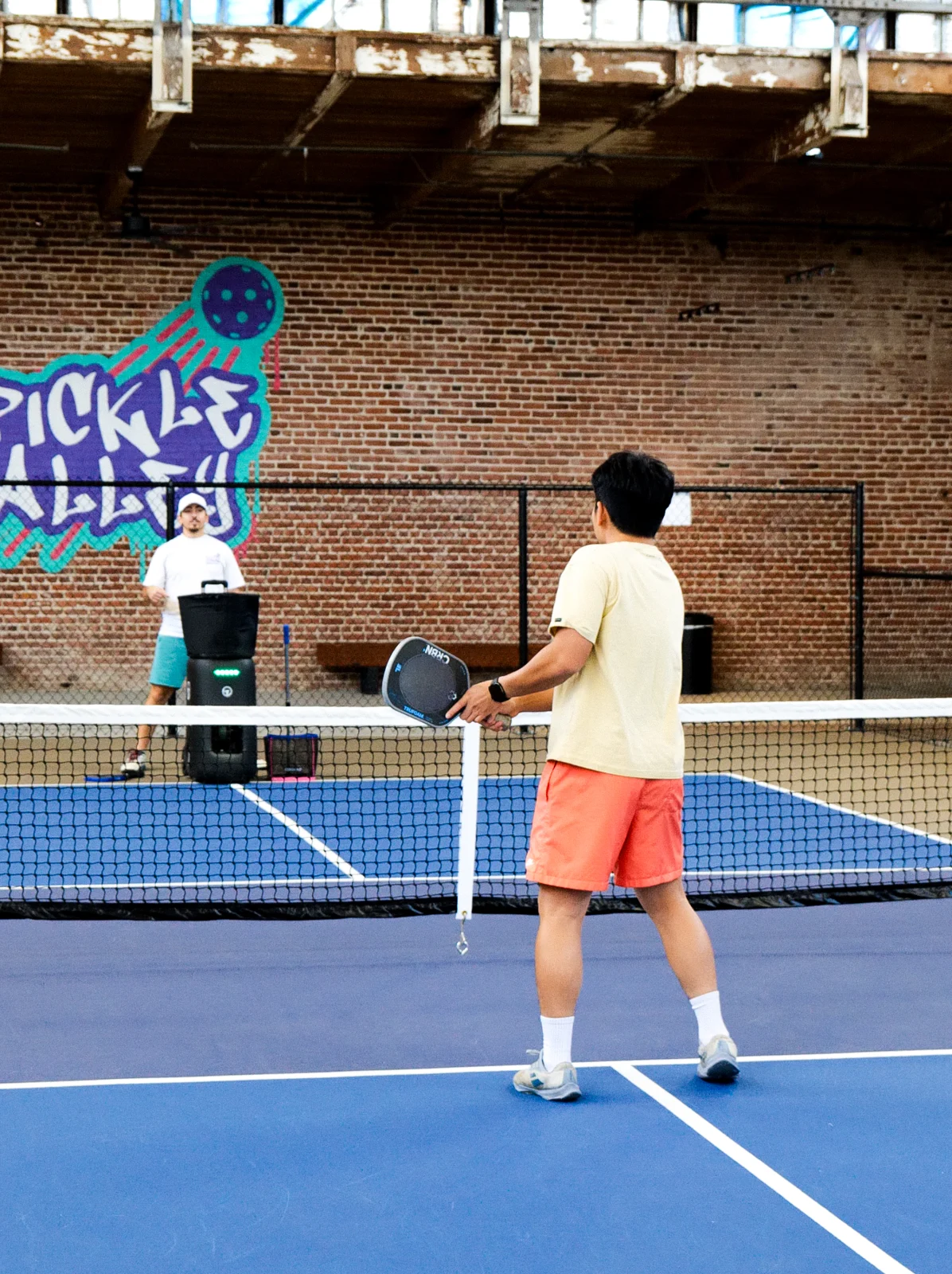
Once that rule is internalized, repetition without pressure is the next need. Clubs like Pickle Alley offer ball-machine practice specifically to give newer players controlled reps — placement and pace they can predict — before they face the unpredictability of a live opponent.2
Materials Science & Equipment Durability Lab
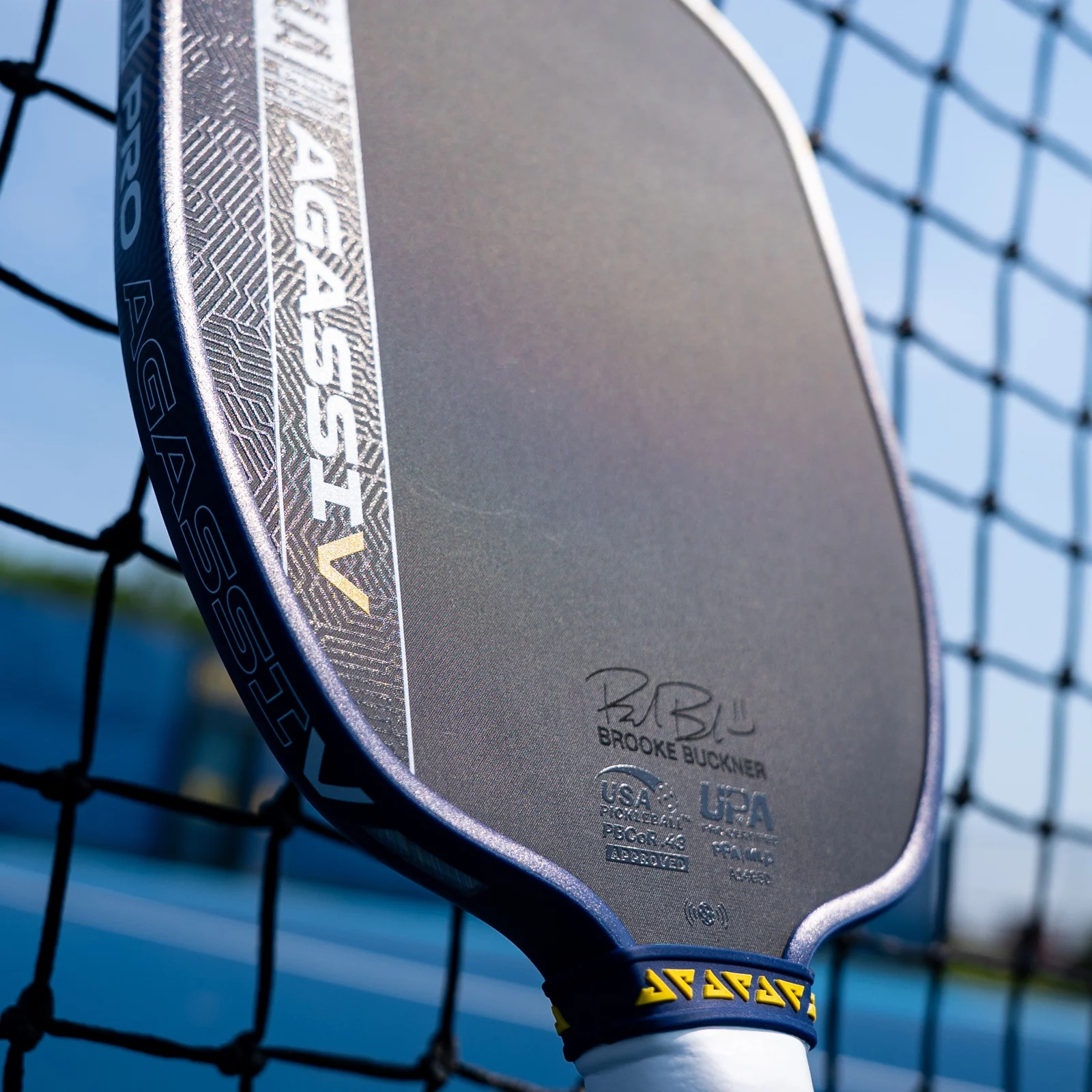
The technical realities of modern court gear reflect an increasingly sophisticated materials science landscape. Under repeated mechanical impact, polymer honeycomb cores and raw carbon fiber weave surfaces undergo micro-delamination that alters surface friction and rotational spin rates over time.1 Laboratory testing demonstrates that ambient relative humidity and court temperature significantly shift ball rebound compression, requiring serious competitors to adjust paddle tension and grip textures between morning and evening sessions.1
Furthermore, equipment certification standards established by governing sanctioning bodies have tightened allowable roughness and surface deflection thresholds. Manufacturers are investing heavily in thermoformed edge walls and foam-injected perimeters to expand the effective sweet spot while maintaining strict regulatory compliance.1 For both teaching professionals and club tournament regulars, tracking paddle degradation curves has become an essential aspect of competitive performance and injury prevention.1
Sources
Every fact above comes from these public pages. Open the original to check it, or to read further.
- LA Pickle Club5 Rules of PickleballCaptured Sep 27, 2026
- Pickle AlleyPickleball Courts in Los AngelesCaptured Sep 27, 2026
Chapter 05 · Craft & GearRead it in the issue →