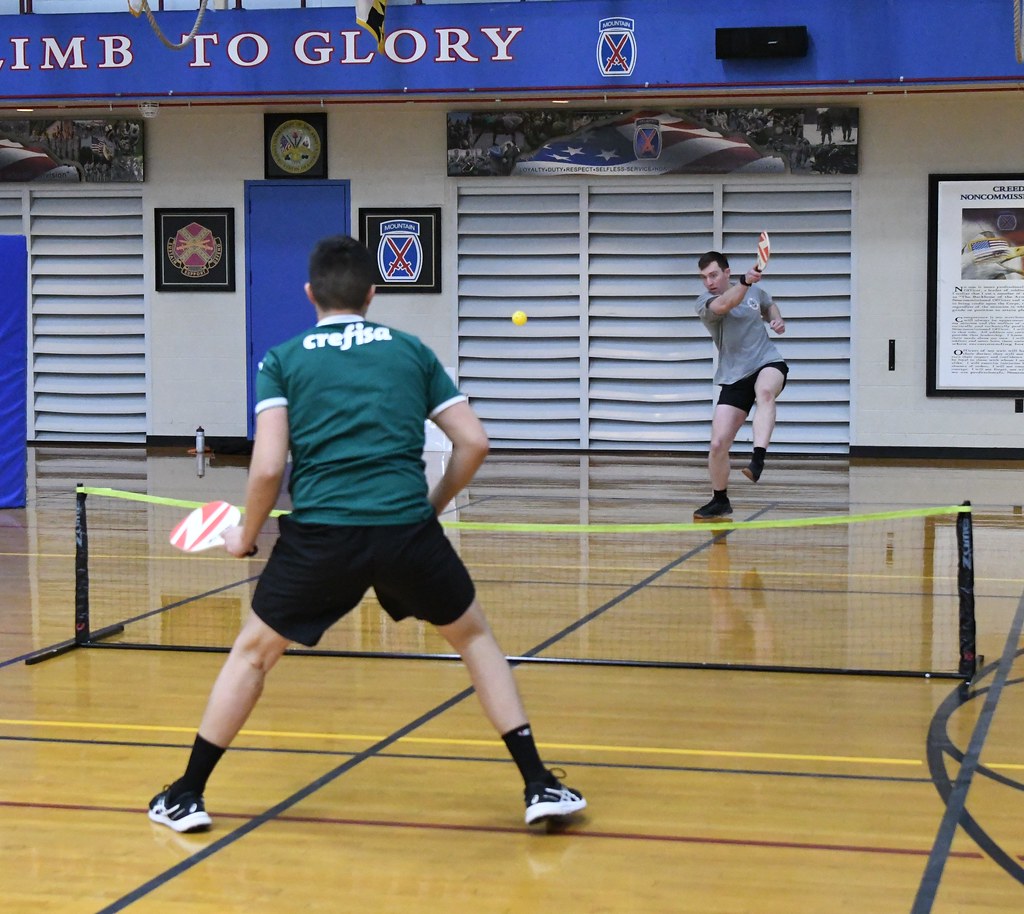
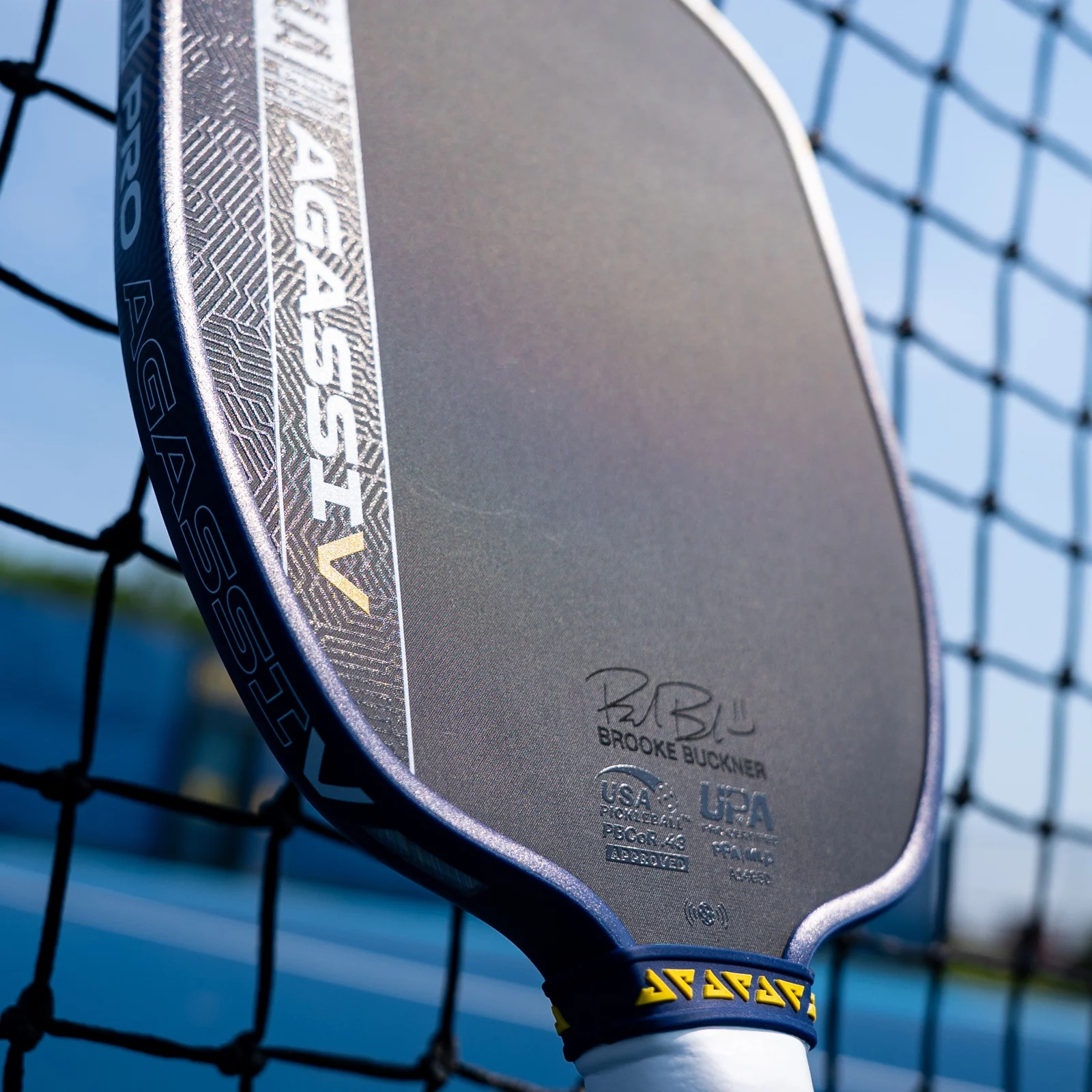
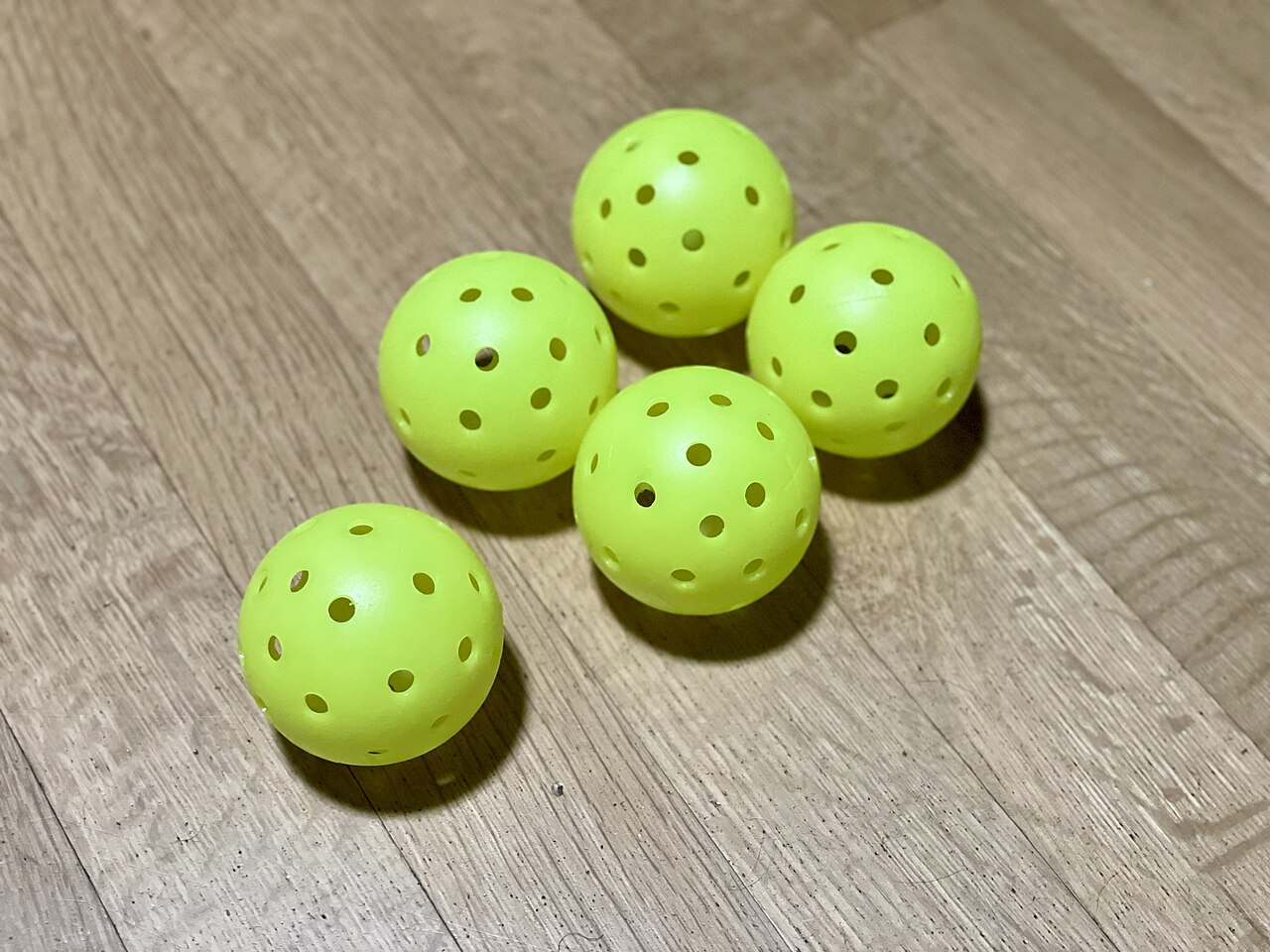
Four coaches, one team format.
IPTPA's credential system separates a beginner-friendly instructor from a certified rating specialist from a junior-safety-trained coach — four distinct qualifications, not one generic "pickleball pro" label.
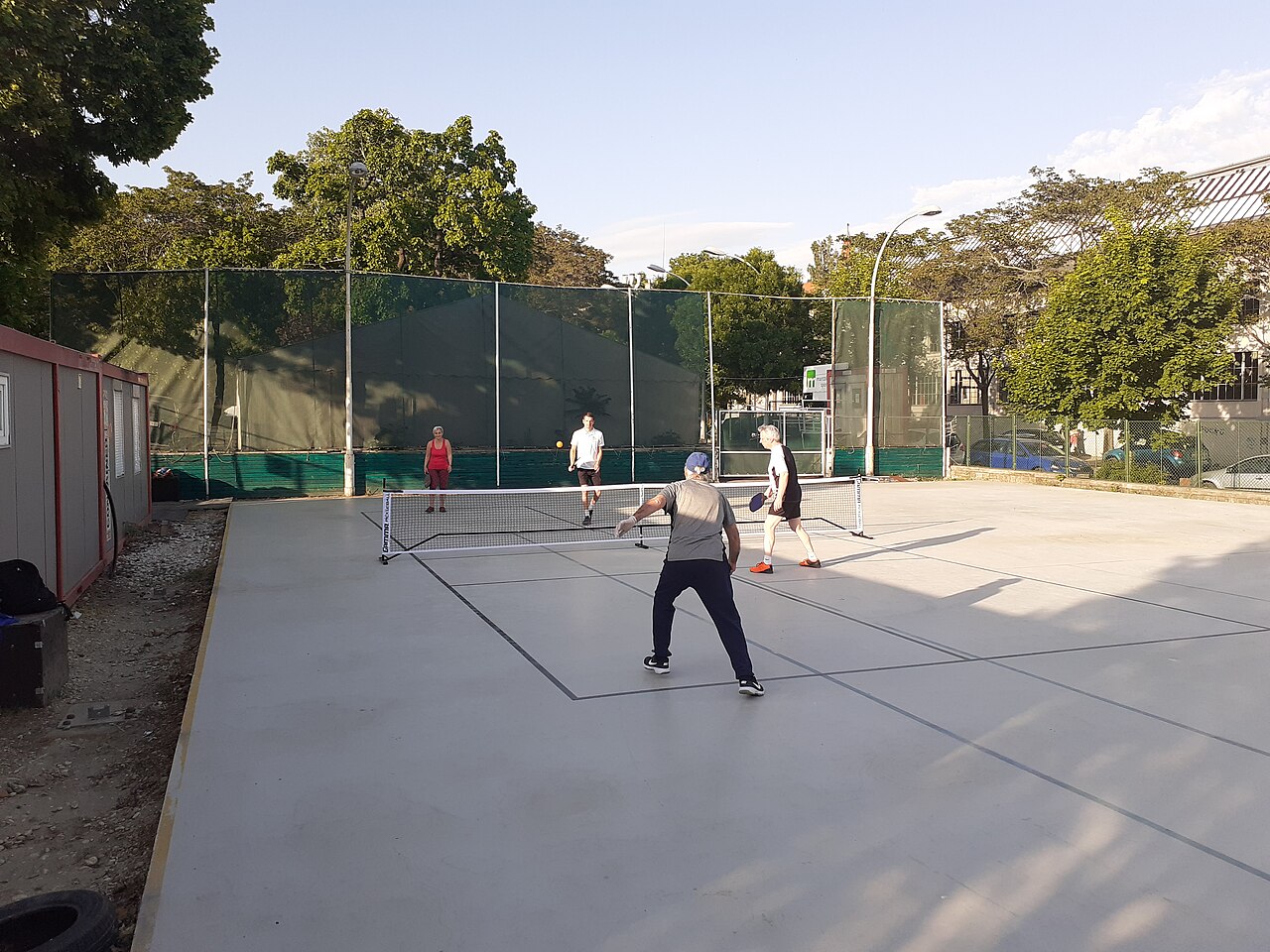
"Certified pickleball coach" sounds like one label. IPTPA — the International Pickleball Teaching Professional Association, founded in 2015 as the sport's first teaching organization — actually issues four distinct credentials, each qualifying an instructor for a specific, different job.1
What each credential actually certifies
Level I is the entry point, for instructors working with beginner and recreational players, earned through online education, on-court evaluation and a formal assessment. Level II builds on that for teaching intermediate players, assessed by a skills test and an observed lesson, with a focus on shot selection and strategy. A Certified Rating Specialist (CRS) is qualified to rate players using IPTPA's on-court rating system — open to any coach, with no Level I prerequisite. A Certified Junior Pickleball Instructor (CJPI) is trained specifically to teach children safely, and does require an active Level I certification first.1
A fifth tier, Workshop Evaluator, is reserved for experienced professionals who train the next generation of coaches, requiring both active Level I and Level II certification.1 IPTPA runs over 100 certification workshops a year across the Americas, Asia-Pacific and Europe, and operates a WADA Code-aligned anti-doping education program at no charge.1
Competitive Meta & Biomechanical Reset Dynamics
At the professional championship tier, this dynamic highlights a macro shift in how tour players construct points from the transition zone. As paddle face dwell times decrease and power-core carbon fiber compositions accelerate ball speeds toward 65 mph, winning margins are determined not by baseline groundstrokes but by 0.19-second reflex exchanges at the non-volley zone line.1 Tactical video breakdown confirms that top-seeded competitors are systematically prioritizing aggressive counter-punches over defensive resets, forcing opponents to speed up from disadvantageous low-contact heights.1
This evolution has triggered a parallel restructuring of athlete training regimens and commercial brand alignment. Tour pros now operate specialized movement labs with high-speed optical tracking, calibrating paddle balance weights to within tenths of an ounce while managing heavy tournament schedules across national circuits.1 As commercial endorsement portfolios expand into footwear, nutritional recovery, and regional club franchises, top athletes are establishing durable enterprise equity across the evolving professional sports landscape.1
Sources
Every fact above comes from these public pages. Open the original to check it, or to read further.
- IPTPAInternational Pickleball Teaching Professional Association: certifications and directoryCaptured Sep 27, 2026
Chapter 05 · Craft & GearRead it in the issue →