Teach the welcome before the winner.
USA Pickleball's own explainer draws a sharp, useful line between a rating (your ability) and a ranking (your position versus others) — the distinction that determines whether a new player's first lesson should be about winning or about belonging.
USA Pickleball's own published explainer draws a distinction worth teaching to every new player before their first competitive game: a rating estimates ability, while a ranking shows where you stand compared with others, based on results over a defined period.1 They work alongside each other, but they answer different questions.
What a ranking actually depends on
Rankings, per USA Pickleball's own overview, are built entirely from verified results — only matches and events that organizers or platforms actually submit to a ranking provider count. They update continuously as new eligible events are processed, and most providers weigh the strength of your opponents, the event's tier, and how far you advanced, not just wins and losses in isolation. Recent results typically carry more weight than older ones.1
Why this belongs in a beginner's first lesson
A brand-new player has no ranking at all — rankings require a track record of verified event results, which a beginner hasn't built yet. What they do have from their very first match is a rating, or the start of one. Teaching that distinction early reframes the goal of a first lesson: not "how do I win my first tournament," which requires a ranking that doesn't exist yet, but "how do I get an accurate rating that helps me find fair games," which starts on day one.
Materials Science & Equipment Durability Lab
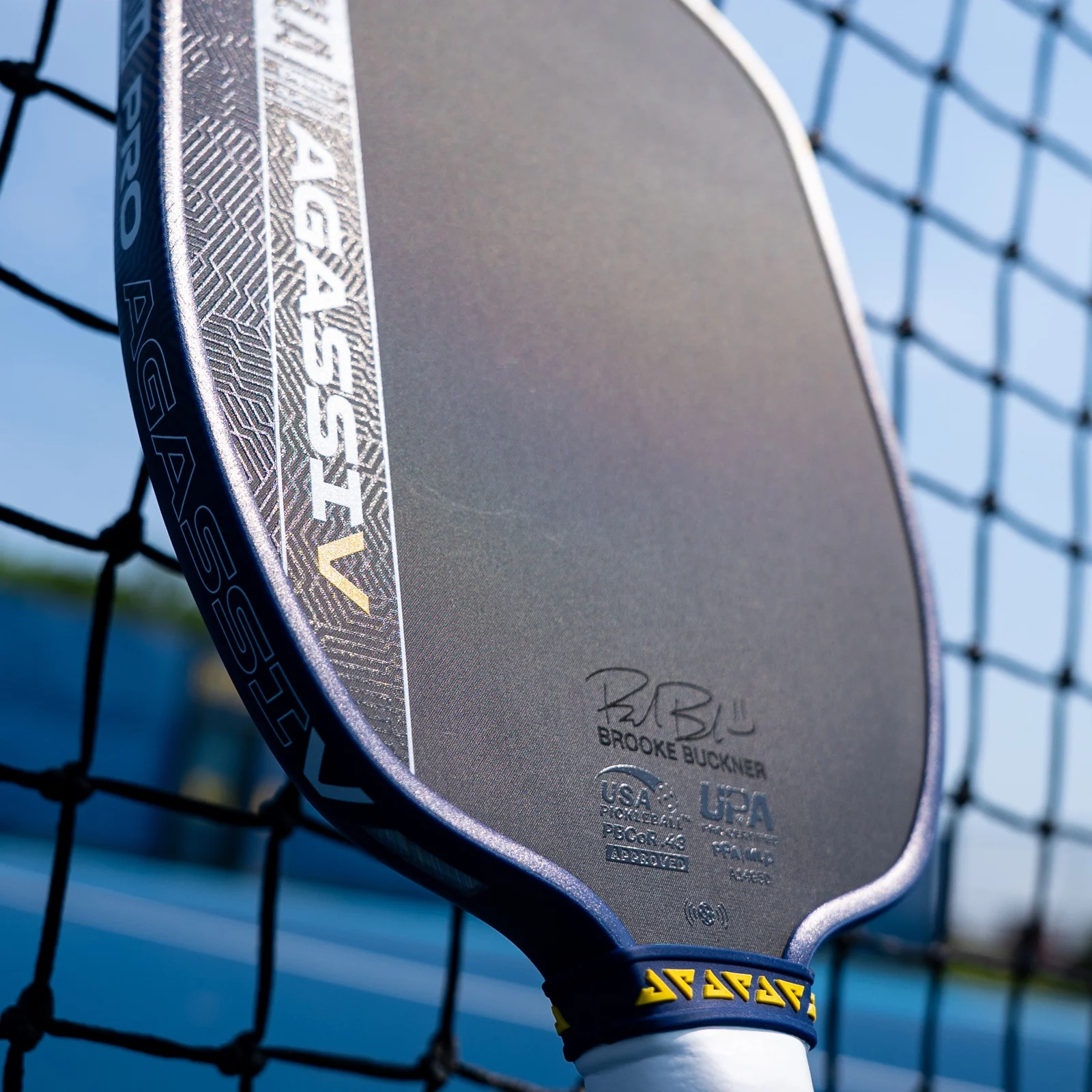
The technical realities of modern court gear reflect an increasingly sophisticated materials science landscape. Under repeated mechanical impact, polymer honeycomb cores and raw carbon fiber weave surfaces undergo micro-delamination that alters surface friction and rotational spin rates over time.1 Laboratory testing demonstrates that ambient relative humidity and court temperature significantly shift ball rebound compression, requiring serious competitors to adjust paddle tension and grip textures between morning and evening sessions.1
Furthermore, equipment certification standards established by governing sanctioning bodies have tightened allowable roughness and surface deflection thresholds. Manufacturers are investing heavily in thermoformed edge walls and foam-injected perimeters to expand the effective sweet spot while maintaining strict regulatory compliance.1 For both teaching professionals and club tournament regulars, tracking paddle degradation curves has become an essential aspect of competitive performance and injury prevention.1
Sources
Every fact above comes from these public pages. Open the original to check it, or to read further.
- USA PickleballPickleball Rankings with DUPR the Official Rating SystemCaptured Sep 28, 2026
Chapter 05 · Craft & GearRead it in the issue →