The people, places, matches, and ideas keeping the court open.
112 pagesMonthly issue / weekly pulse
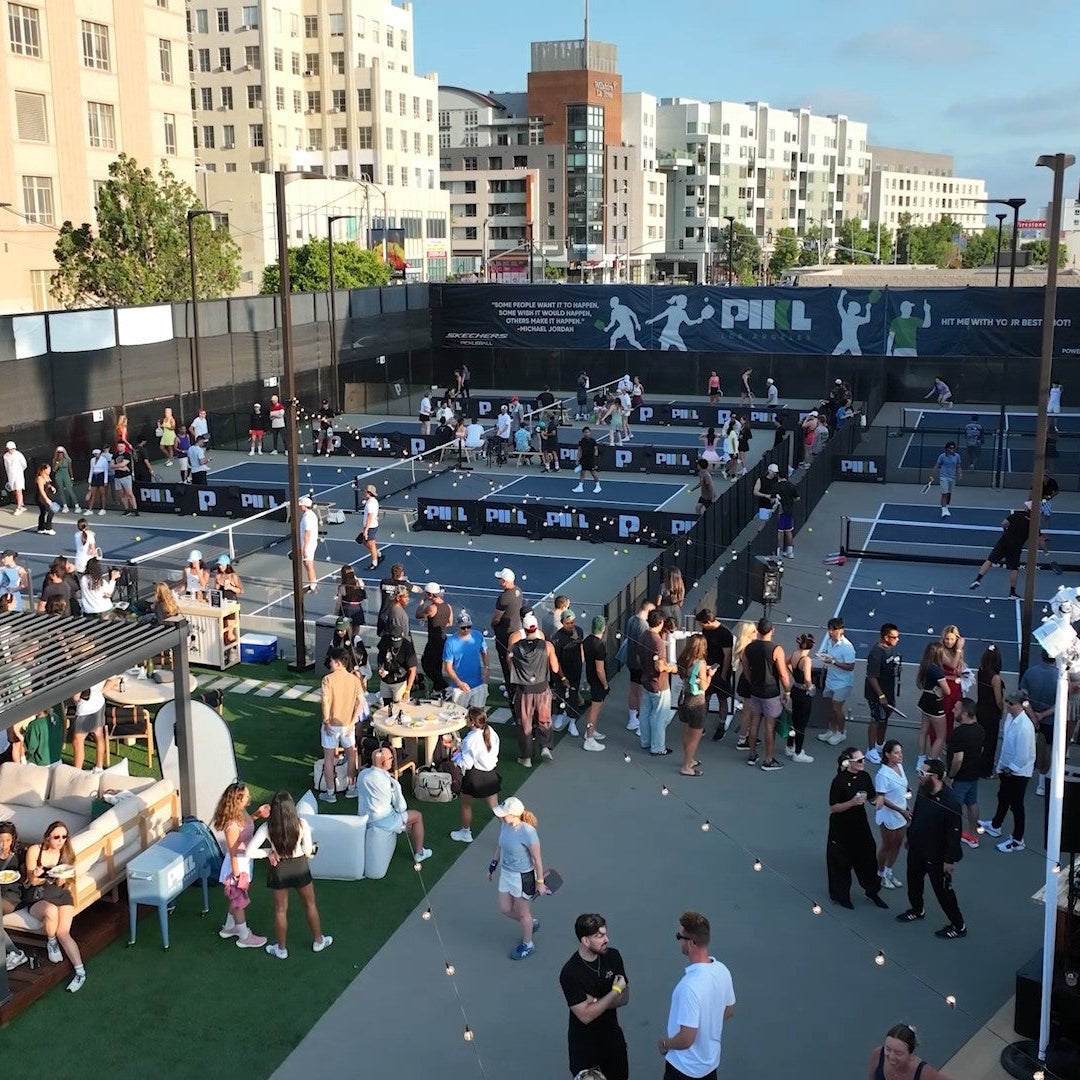
Dink Digest · LA field deskCommunity pickleball event at PIKL LA with players and spectators / deterministic cover crop · rights review required
National desk
Arizona is the story.
Live results held until verified
NY + LA desks
Courts are a network.
Neighborhoods, clubs, community
Global desk
Da Nang to Antalya.
Travel context / source-linked
Inside this issue
One monthly read for the people between games.
Dink Digest is a source-linked U.S. and Los Angeles pickleball magazine for club leaders, organizers, coaches, older adults, players, and junior programs. It mixes current public reporting with practical editorial boards.
Source-linkedEditorial recognitionModeledConcept onlyRights held
Evidence boundary
Read the label before the claim.
Official sources, club pages, image provenance, sponsor associations, and future activation concepts stay separate. Jev routes candidates; deterministic rules and human approval own freshness, rights, and publication.
Community pickleball event at PIKL LA with players and spectators / source image cached for local review · rights review requiredSOURCE-LINKED
Cover
The court is the city.
Dink Digest maps the people, places, matches, and ideas making U.S. pickleball feel bigger than a scoreline.
A first issue for the clubs that keep the lights on, the ladders moving, and the welcome warm. This edition is built around a frozen public-source window ending September 20, 2026.
Dink Digest is a source-linked field guide for players, coaches, organizers, older adults, and the clubs that connect them.
The sport is changing fast enough to require both a scoreboard and a neighborhood lens. We separate reported facts, editorial recognition, modeled playbooks, sponsor concepts, and held claims so readers can tell what they are looking at.
This first issue is a local web edition. It is not a booked sponsor package, a medical guide, or a promise that a Sunday result was final before it was published.
Start with the news desk, stay for the club map, and finish with a sponsor board designed to be useful before it is persuasive.
The issue is laid out as 112 linked reader sections. Each section has a page number, a visible evidence label, and a source rail when a public claim is involved.
The page count is an editorial unit count, not a claim that a PDF was publicly distributed. The local reader is the release artifact for this run.
01–52 / News, people, gear, and LA club life
53–70 / New York and Los Angeles neighborhood desks
71–90 / Leaders, coaches, rankings, schedules, and humor
91–112 / Hybrid culture, destinations, sponsors, and next issue
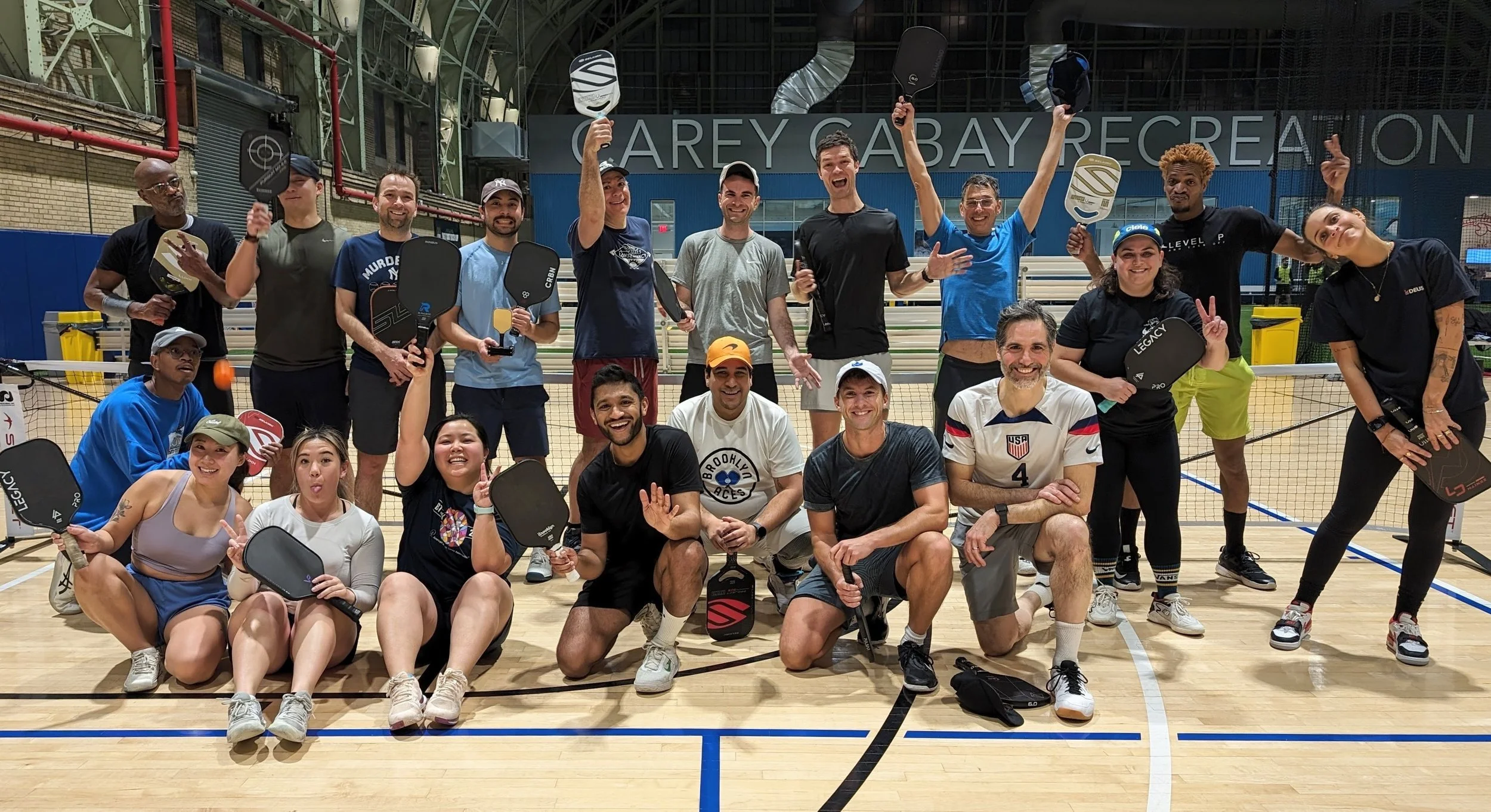
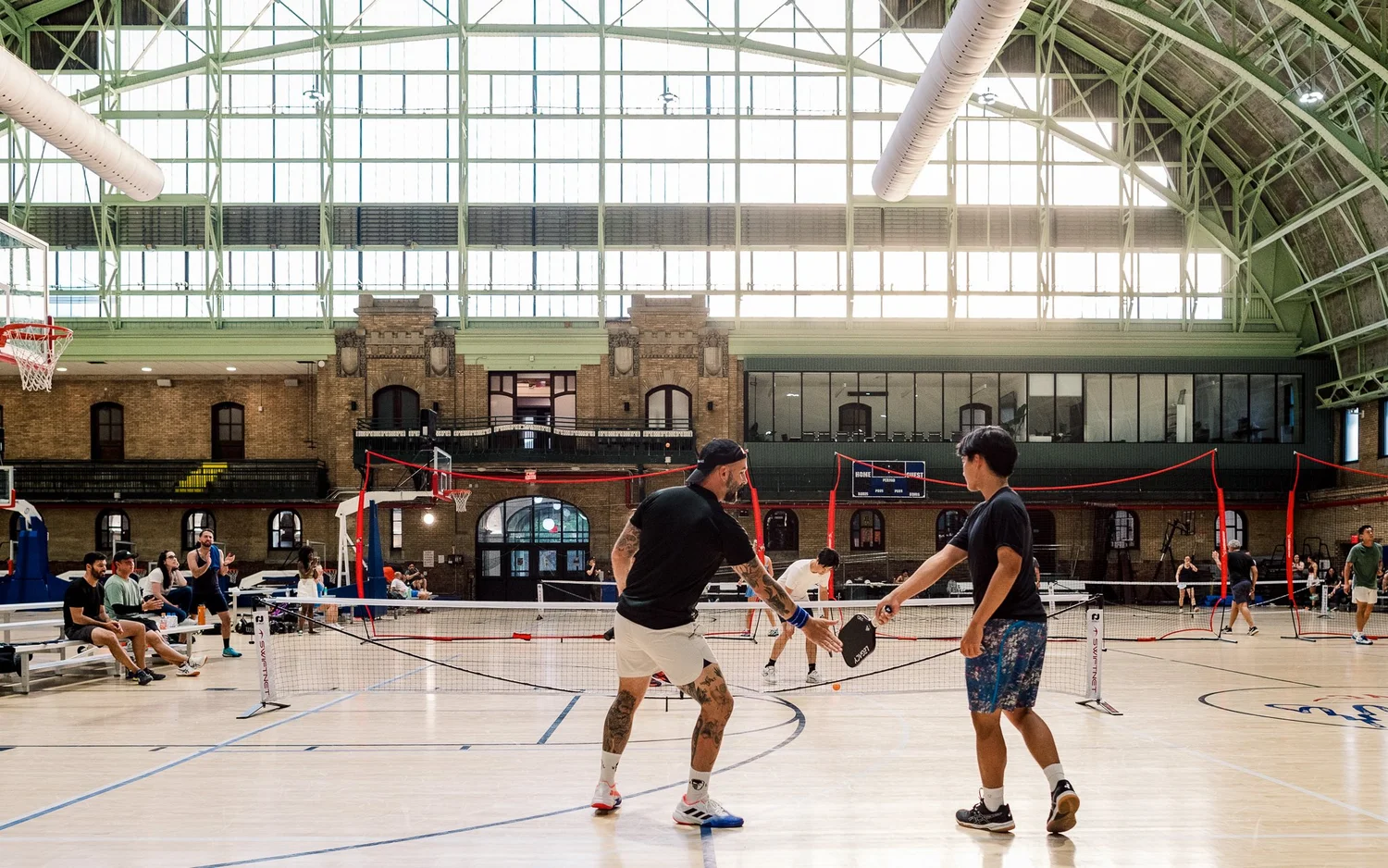
Players gathering around indoor courts during a New York pickleball event / source image cached for local review · rights review requiredSOURCE-LINKED
The Brief
The week in 60 seconds.
Arizona is the national stage. Long Beach is the Southern California heartbeat. LA keeps inventing new ways to stay after the match.
The frozen window catches the Veolia Arizona Open in Mesa, the USAP Long Beach Championships at El Dorado, and an unusually active Los Angeles calendar. The editorial line is not that every event is equal; it is that local texture gives the sport staying power.
We also see three useful signals: the PPA is formalizing a global ranking layer, USA Pickleball is expanding youth and adaptive access, and LA organizers are blending sport with music, food, and other social rituals.
Skyline Pickleball LA leagues source image / source image cached for local review · rights review requiredSOURCE-LINKED
LA Desk
A city of courts is an architecture story.
Start with the rooms, roofs, parks, and thresholds that make a first game feel possible.
LA City Parks says its pickleball work is about access, inclusive programming, maintenance, and a balanced approach to tennis and pickleball. That is a more interesting story than a simple court-count race because it reveals the operating question: who can play, when, and under what rules?
For a visitor, the LA desk is less a definitive directory than a current starting point. Confirm availability before traveling; facilities and schedules change.
A practical desk for players who want to turn a magazine read into a court plan.
Data desk · timeline ribbon
The next court dates, in sequence
Southern California public calendar snapshot · captured September 20, 2026
Sep 26Pickle with PurposeSouth Pasadena
Sep 27LA singles showdownAnderson Munger YMCA
Sep 27–28PAC Autumn ClassicThousand Oaks
Oct 10iPickle event pairArcadia + Cerritos
Dates are a planning snapshot, not proof of entry availability or final venue status. Unit: publicly listed event date · September 26–October 10, 2026.
The Southern California calendar lists a September 26 Pickle with Purpose event in South Pasadena, a September 27 singles showdown at the Anderson Munger YMCA, and a September 27–28 autumn classic in Thousand Oaks. The LA club calendar adds ladders and women’s, men’s, mixed, and singles sessions.
Dates are listed as discovered public information, not a guarantee of entry or venue availability. Re-check the host page before registering.
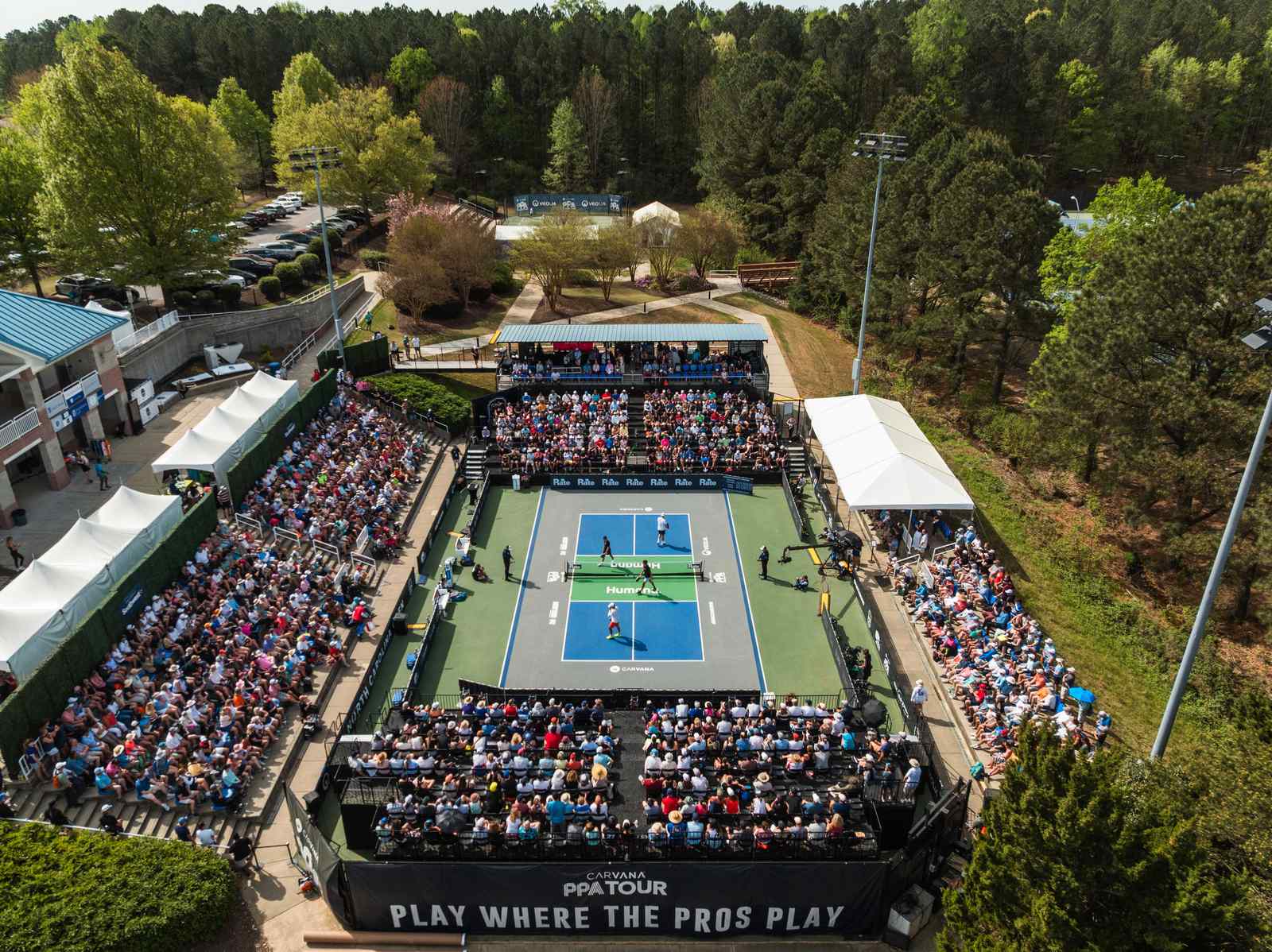
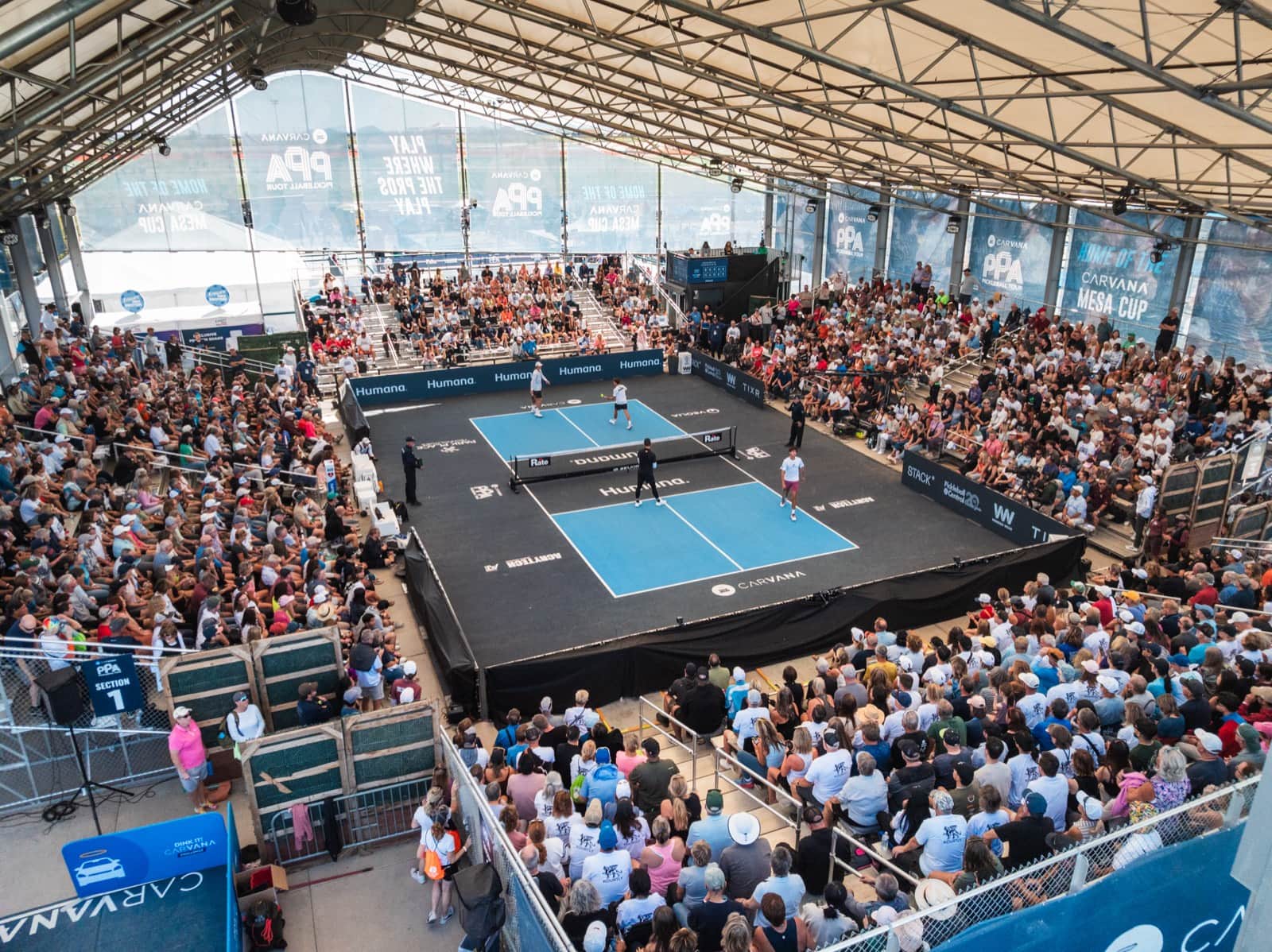
Carvana PPA Tour home / live event desk source image / source image cached for local review · rights review requiredSOURCE-LINKED
Tournament Desk
Arizona opens the new season with 1,000 points.
The Veolia Arizona Open in Mesa is the first open of the new PPA season, with the top four in each draw receiving round-of-16 byes through the new World Pickleball Rankings system.
PPA’s preview frames the week around heat, ranking points, and open draws. Anna Leigh Waters is playing singles and mixed rather than chasing a triple crown, while new partnerships add volatility to the bracket.
The issue freezes before a full championship recap. That is deliberate: live event coverage should not be backfilled with guessed winners.
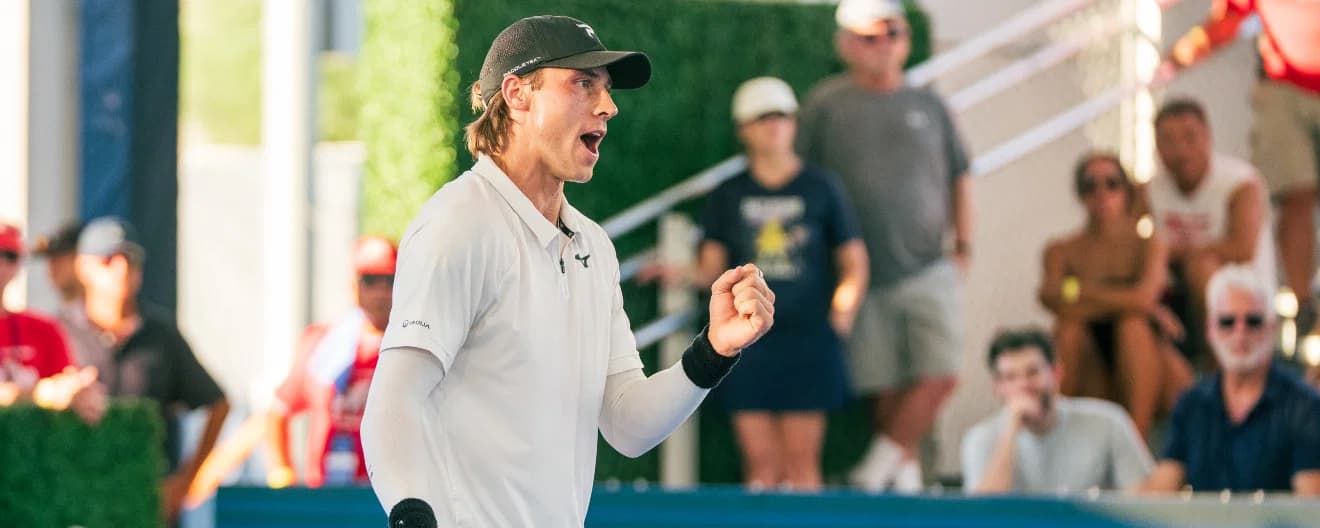
Christian Alshon celebrating a point at the Veolia Arizona Open in Mesa, AZ. / source image cached for local review · rights review requiredSOURCE-LINKED
Highlight Match
When the top seed has to introduce itself again.
Ben Johns and Federico Staksrud’s first partnership met Nico Acevedo and Yuta Funemizu — and the new duo went home early.
The reported scoreline was 11–4, 11–5. The useful editorial lesson is not to turn one match into a career verdict. New pairings have to build shared language in real time: who takes the middle, who covers the lob, who resets after speed-up.
This is why the highlight match belongs in a club magazine. The pro story becomes a conversation prompt for a Saturday ladder.
PPA newsroom / current event coverage source image / source image cached for local review · rights review requiredSOURCE-LINKED
Semifinal Watch
Christian Alshon was still alive in three lanes.
On semifinal Saturday, the PPA newsroom identified Alshon as the only player alive in singles, mixed doubles, and gender doubles.
That triple-duty note is an editorially clean way to talk about workload. It tells readers what to watch without inventing a result, a medal, or a stamina claim. The page stays a watchlist until the source window closes with a verified final recap.
For club players, the translation is simple: versatility is a schedule problem as much as a skill problem.
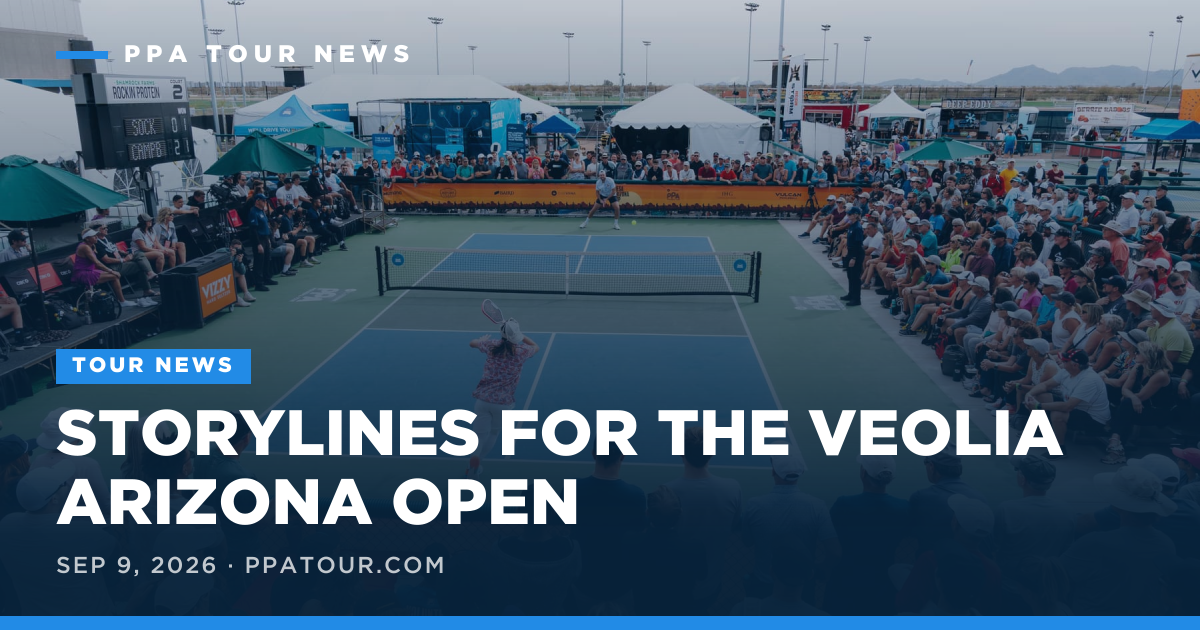
PPA Tour event court with players and a seated crowd at the Veolia Arizona Open / source image cached for local review · rights review requiredSOURCE-LINKED
SoCal Tournament
Long Beach brings the weekend to El Dorado.
The USAP Long Beach Championships land in Southern California with age, DUPR, and master’s formats in the draw.
The public start-time page lists men’s doubles and master’s men’s doubles over 50 as part of the weekend schedule at El Dorado Tennis and Pickleball Center. That matters for a senior audience: the event is not only a pro spectacle but a visible age-division pathway.
The Dink Digest rule is to publish start times and formats, not to claim podium outcomes without a verified results page.
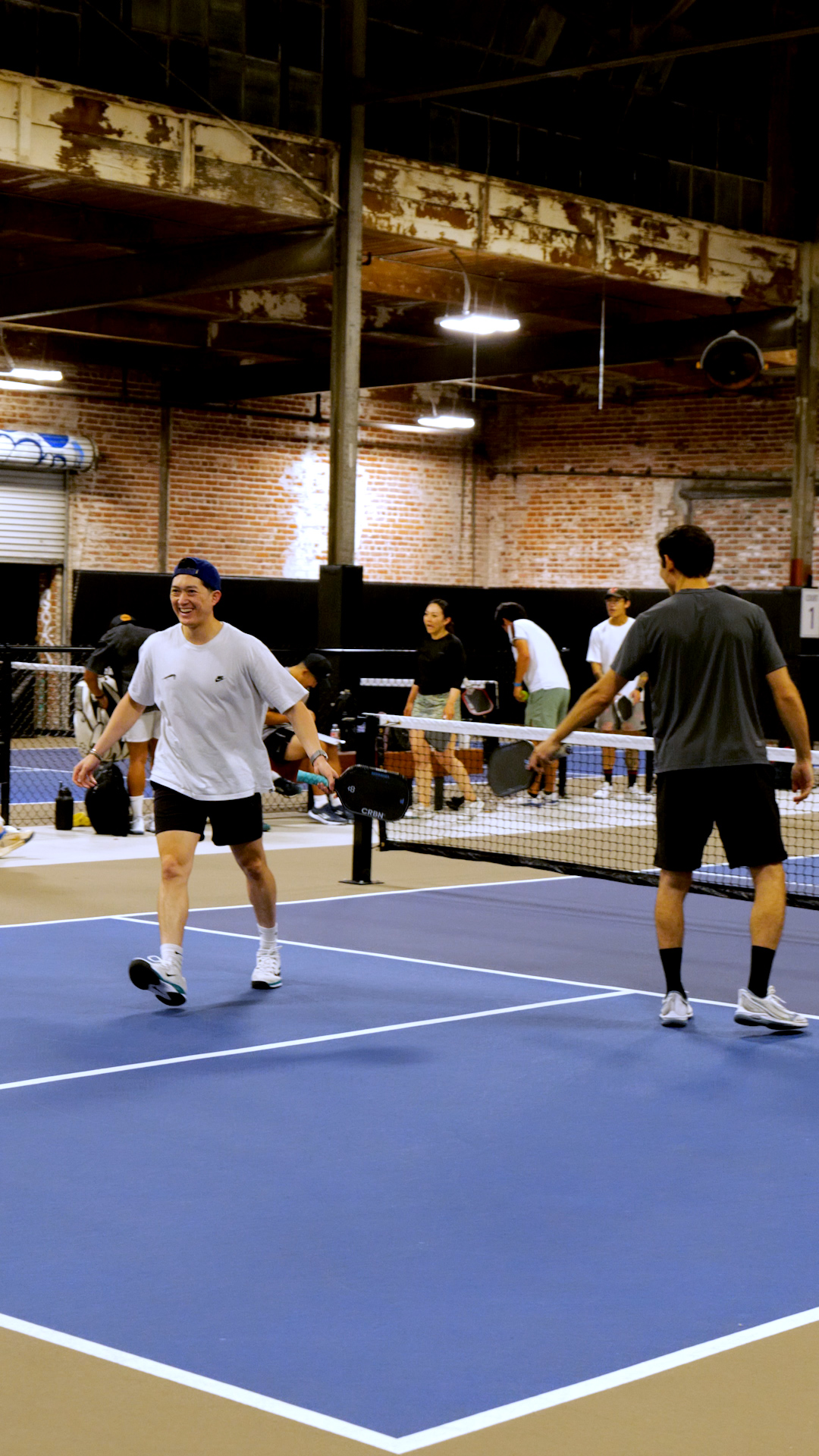
Indoor blue pickleball courts inside a renovated Los Angeles warehouse / source image cached for local review · rights review requiredSOURCE-LINKED
Club League
Pickle Match Club turns a weeknight into a season.
Weekly round robins, exploding ladders, monthly standings, and quarterly tournaments give LA players a reason to return.
Pickle Match Club reports 638 players through the door, 1,584 check-ins, 94 regulars playing five or more nights, and more than 100 events, with the figures dated August 2026. We publish them as self-reported club metrics, not audited market size.
The format is a reminder that community retention often comes from cadence. A calendar can be a product.
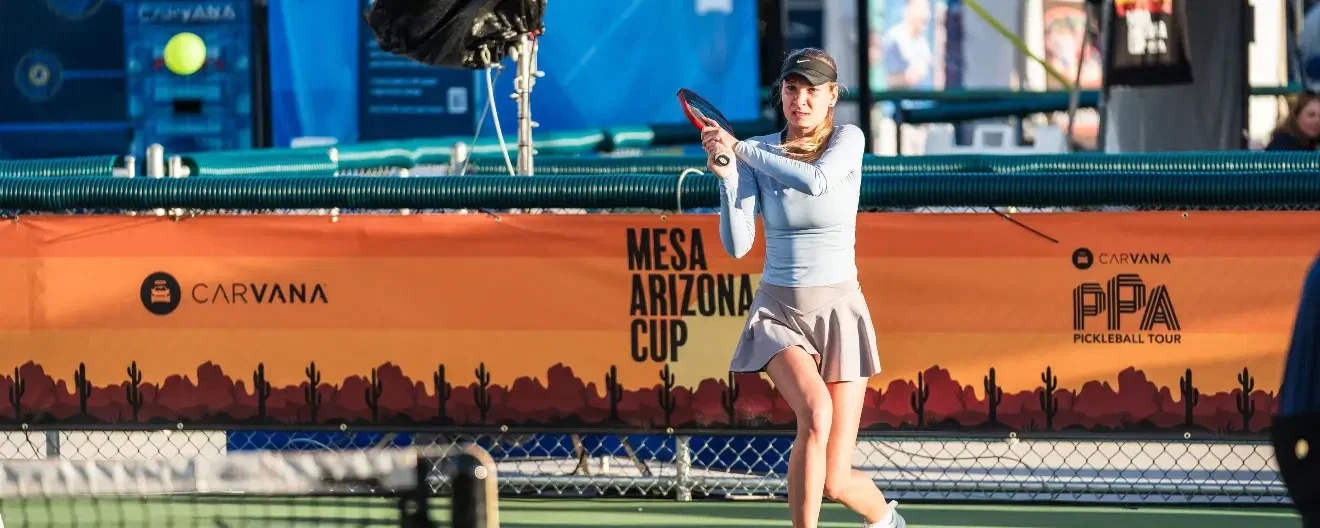
Daria Walczak returns a ball at the Mesa Arizona Cup / source image cached for local review / field image, not a portrait of the named player · rights review requiredEDITORIAL RECOGNITION
Player of the Week
Christian Alshon earns the triple-duty watch.
Dink Digest’s editorial player of the week is a time-stamped recognition based on the PPA semifinal watchlist, not an official award.
The selection is narrow: Alshon was the only player named as still alive in three divisions entering semifinal Saturday. The distinction is about the week’s most watchable workload, not a claim that he won the event.
The page model is reusable. Each weekly pick should show the source, the cutoff, the reason, and the unresolved result if play is still live.
Veolia Arizona Open / source image cached for local review / field image, not a portrait of the named player · rights review requiredEDITORIAL RECOGNITION
Player of the Month
Anna Leigh Waters remains the month’s north star.
The current PPA World Pickleball Rankings list Waters first among women, while the September story arc tracks her pursuit of another title milestone.
Dink Digest’s monthly player page combines official rank and recent story relevance: Waters is listed at No. 1, and PPA coverage says she moved closer to 200 career titles after the national championships. The issue does not turn that into a prediction for Arizona.
The monthly distinction is editorial and dated. Rankings move; readers should follow the source rail for the latest table.
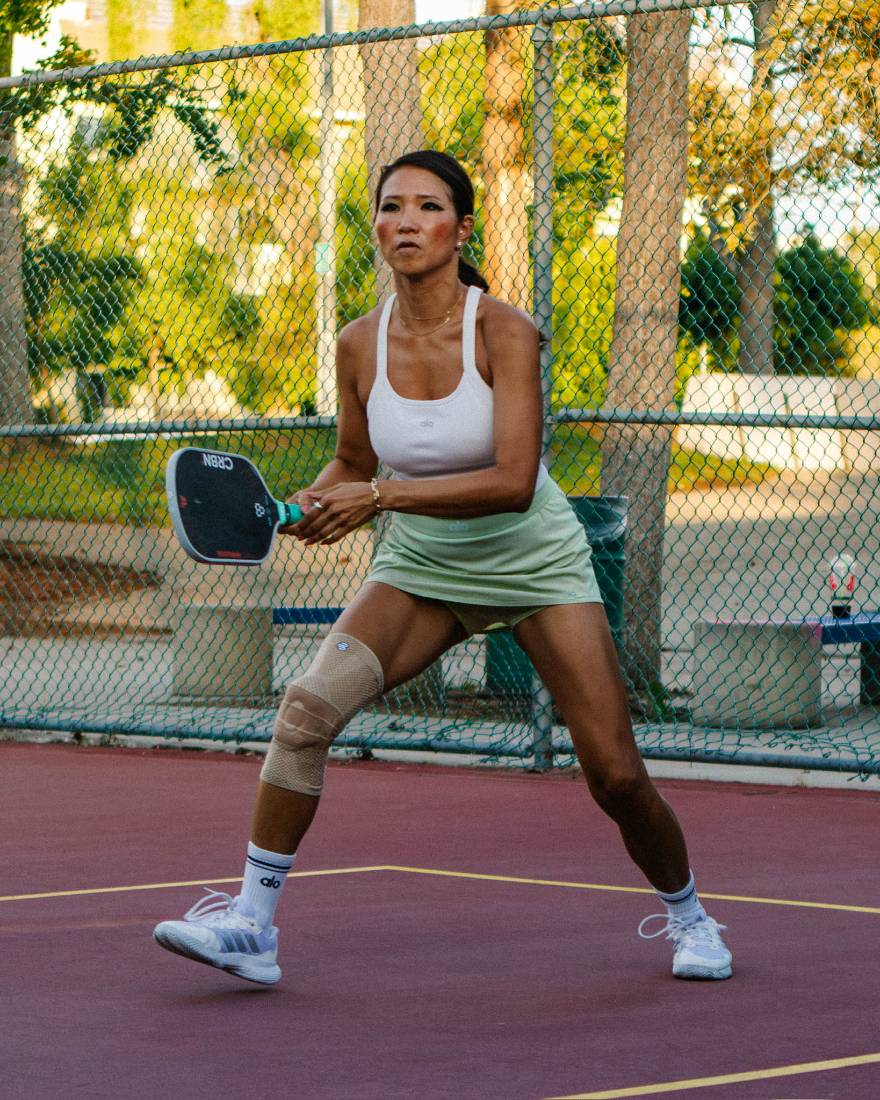
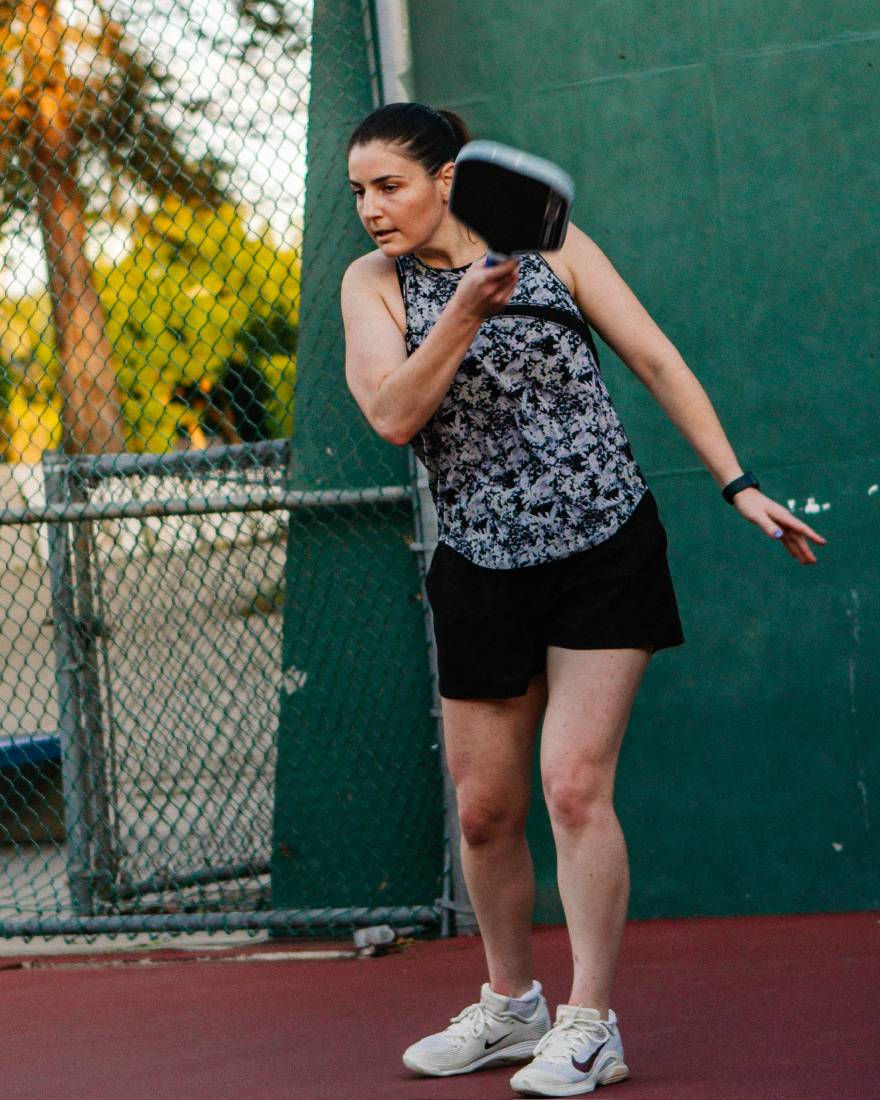
Player setting up a forehand on an outdoor Los Angeles pickleball court / source image cached for local review / field image, not a portrait of the named player · rights review requiredSOURCE-LINKED
Women’s Game
Anna Bright’s all-court electricity.
A women’s desk that looks beyond one name: Bright’s two-title national-championship weekend is the month’s cleanest form signal.
PPA’s championship recap credited Anna Bright and Hayden Patriquin with the mixed doubles win and noted Bright’s sixth career title. That is a strong story without reducing women’s pickleball to a single ranking column.
The magazine pairs the pro lens with a local invitation: women’s open play, women-led coaching, and women’s team formats deserve equal prominence in club calendars.
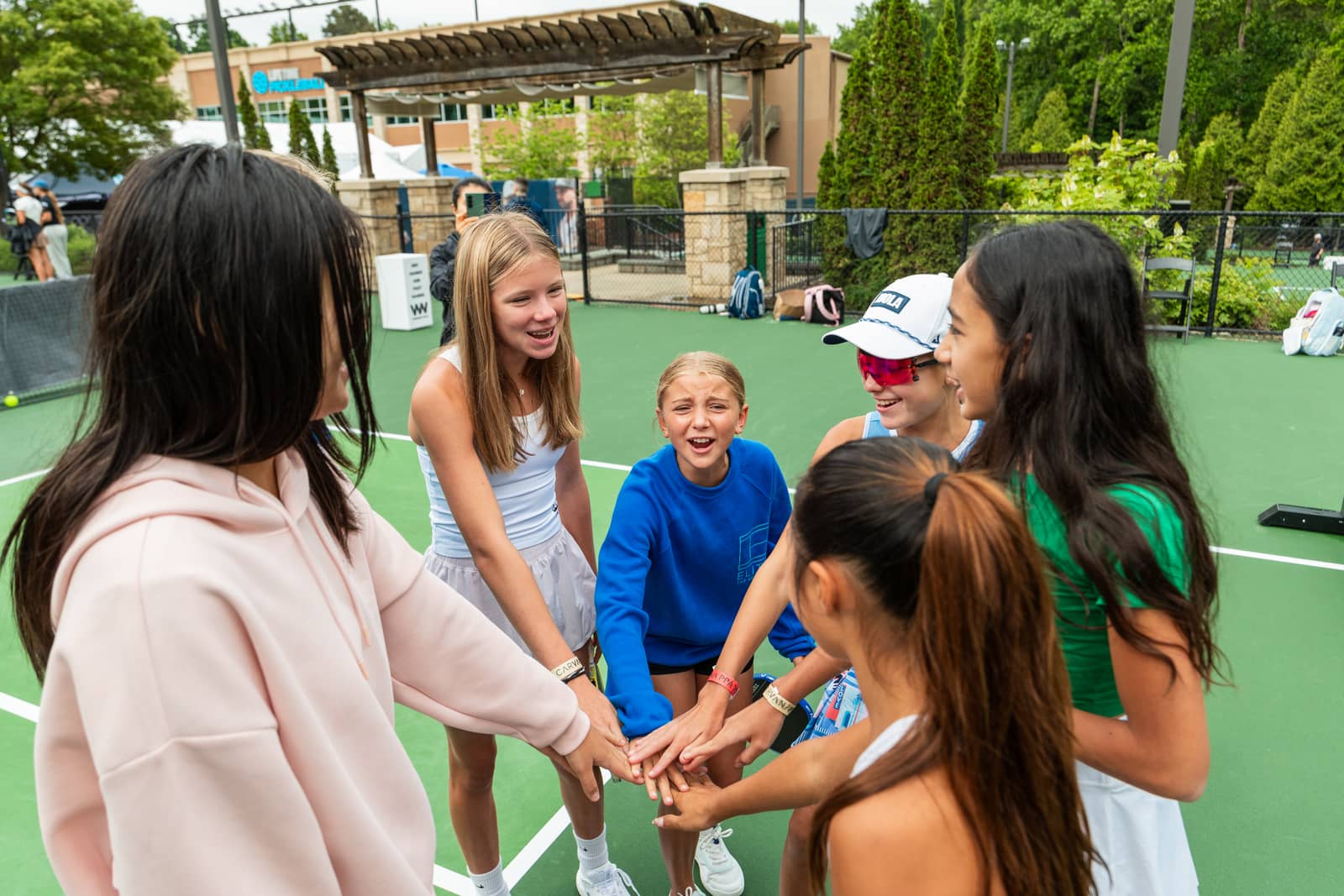
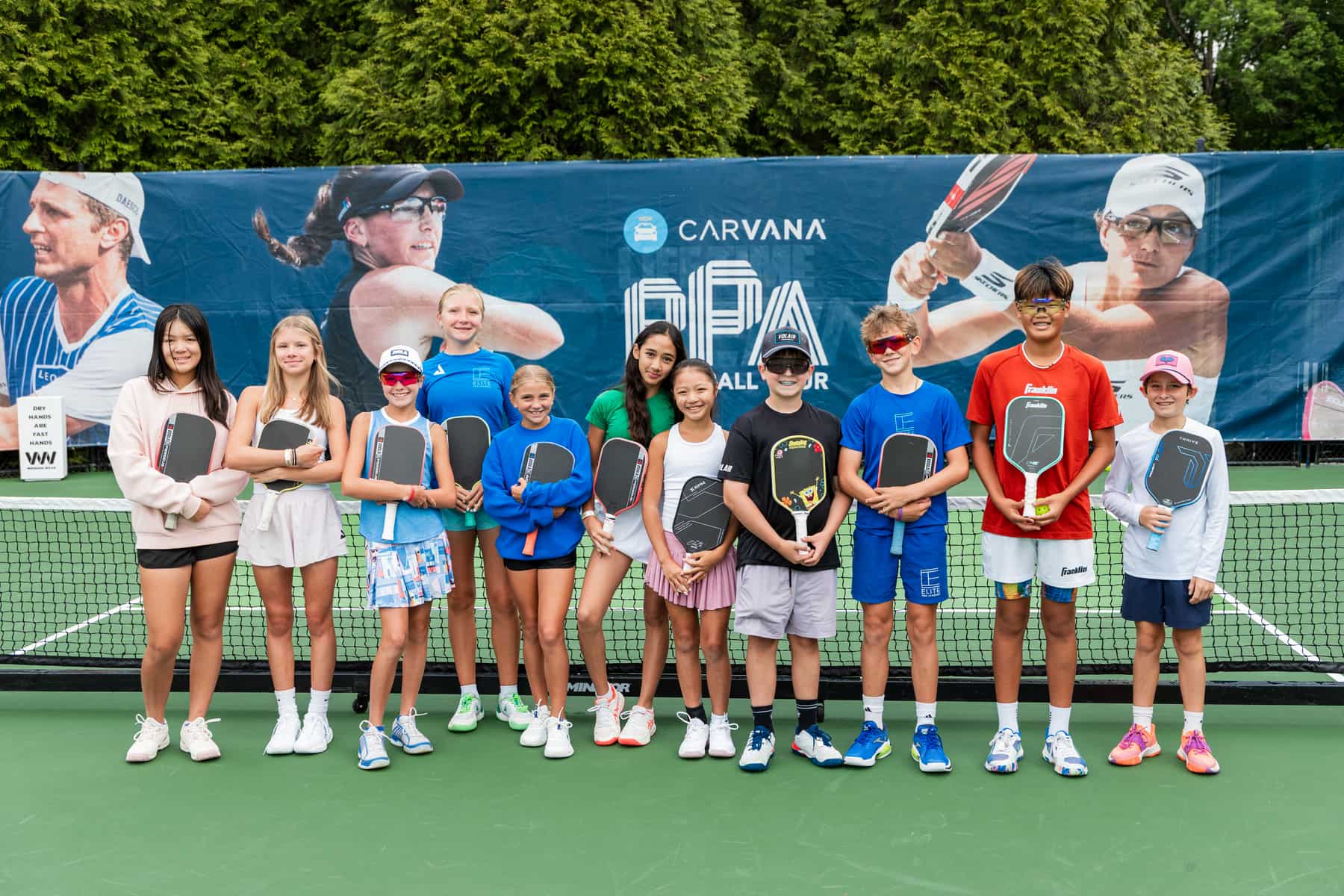
Junior PPA — juniors competing and training on tour (photo 1) / source image cached for local review / field image, not a portrait of the named player · rights review requiredSOURCE-LINKED
Teen Watch
Sixteen is not too young for a serious lane.
PPA coverage says Six Zero signed 16-year-old Cailyn Campbell, while the junior rankings show a deep under-18 field rather than one token prodigy.
A teenager feature should keep the frame wide. Campbell’s sponsorship story is a signal of professional attention; USA Pickleball’s youth program supplies the community structure underneath it. One is not a substitute for the other.
Dink Digest’s editorial rule: no minors’ personal contact details, no pressure narrative, and no ranking hype detached from age-appropriate coaching.
PPA junior schedule and rankings source image / source image cached for local review / field image, not a portrait of the named player · rights review requiredSOURCE-LINKED
Junior Rankings
George Wolf leads the 18U boys table.
The junior PPA page lists George Wolf first in boys singles 18U, with Soli Mosseri and Francis Chi next in the captured top 25.
This is a ranking snapshot, not a permanent label. The page was last updated September 14, 2026, and the source exposes age and points so readers can see the context behind the number.
For clubs, the important story is not just who is first. It is whether a 12U, 13–14, or 15–16 player can find a safe, coached next step.
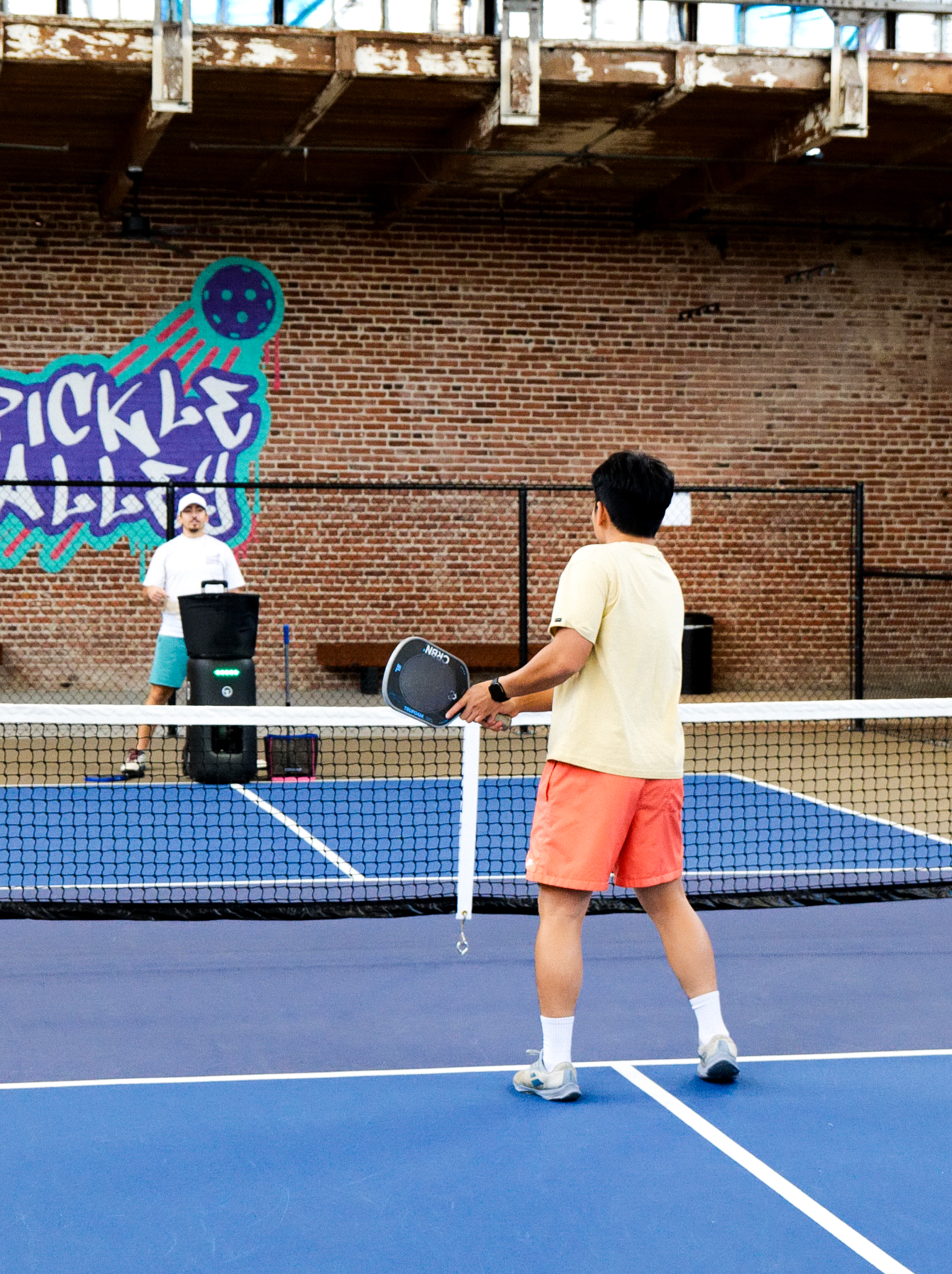
Player practicing with the ball machine at Pickle Alley / source image cached for local review · rights review requiredSOURCE-LINKED
Match Lab
The fifth shot is where the decision gets interesting.
A PPA rally recap turns Ben Johns’s third-shot drive and fifth-shot drop into a film-room prompt—not a universal rule.
Data desk · route strip
One rally, five readable decisions
PPA recap of a 122-shot Sacramento rally
01ServeTardio starts the point→
02ReturnJohnson sends it back→
03DriveJohns changes pace→
04–05Volley → dropchoice under pressure
Observed sequence: serve, return, Johns third-shot drive, volley, Johns fifth-shot drop. Use it to discuss timing and choices, not to claim that every player should copy one pattern. Unit: named shot in one rally sequence · PPA match recap captured September 2026.
The match lab is deliberately not a recap. It is an editorial coaching frame: name the third-ball intention, move as a pair through transition, reset before speed, and review one decision after the game.
A good club can teach the framework in five minutes without pretending to reproduce a professional athlete’s exact play.
JOOLA paddle bag and net on an indoor court / source image cached for local review · rights review requiredSOURCE-LINKED
Gear Desk
JOOLA’s gear story is bigger than one paddle.
JOOLA’s public pickleball catalog spans pro, performance, recreational, bags, apparel, shoes, nets, and accessories.
The Dink Digest gear desk treats JOOLA as a candidate editorial subject and potential sponsor, not as a booked partner. Product pages are useful for understanding the category and current naming, while a real buyer’s guide would need a test protocol and conflict disclosure.
The most useful distinction for older players is not hype versus no hype. It is fit: weight, handle, control, grip, price, and confidence in the return policy.
Three pickleball players meeting at the net during an indoor Brooklyn session / source image cached for local review · rights review requiredSOURCE-LINKED
Ball Check
The ball is infrastructure.
JOOLA’s HC-40 was announced as the official ball of DUPR; a ball page belongs in the issue because clubs feel consistency before they feel branding.
A club’s ball policy touches sound, pace, durability, tournament compliance, and the daily experience of the person who paid to play. That is why the magazine treats the ball as an operations choice rather than a small accessory.
Any future gear comparison should document surface, indoor/outdoor use, replacement cadence, and approval status. Dink Digest is not making that comparison in this issue.
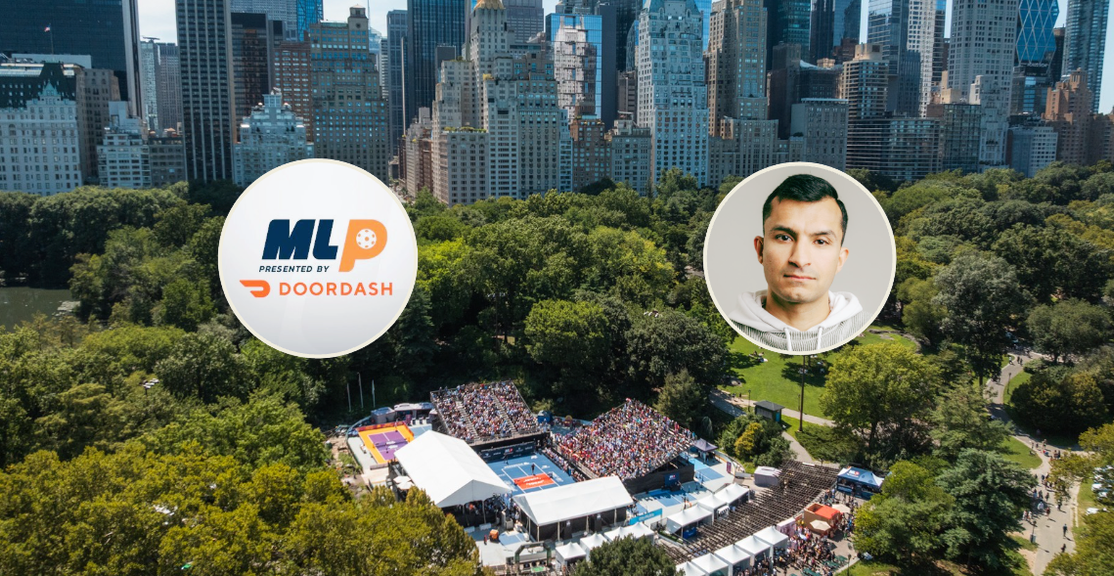
Oceanview, Opendoor, Carvana, and DoorDash show how pickleball sponsorship now spans title rights, league naming, and event platforms.
Public announcements and industry reporting give the market context. They do not give Dink Digest permission to use a mark, promise inventory, or imply a relationship. The page is a benchmark board for positioning only.
The strongest sponsor fit is the one that helps a club do something visible: court access, safe movement, youth equipment, hydration, food, or a better event day.
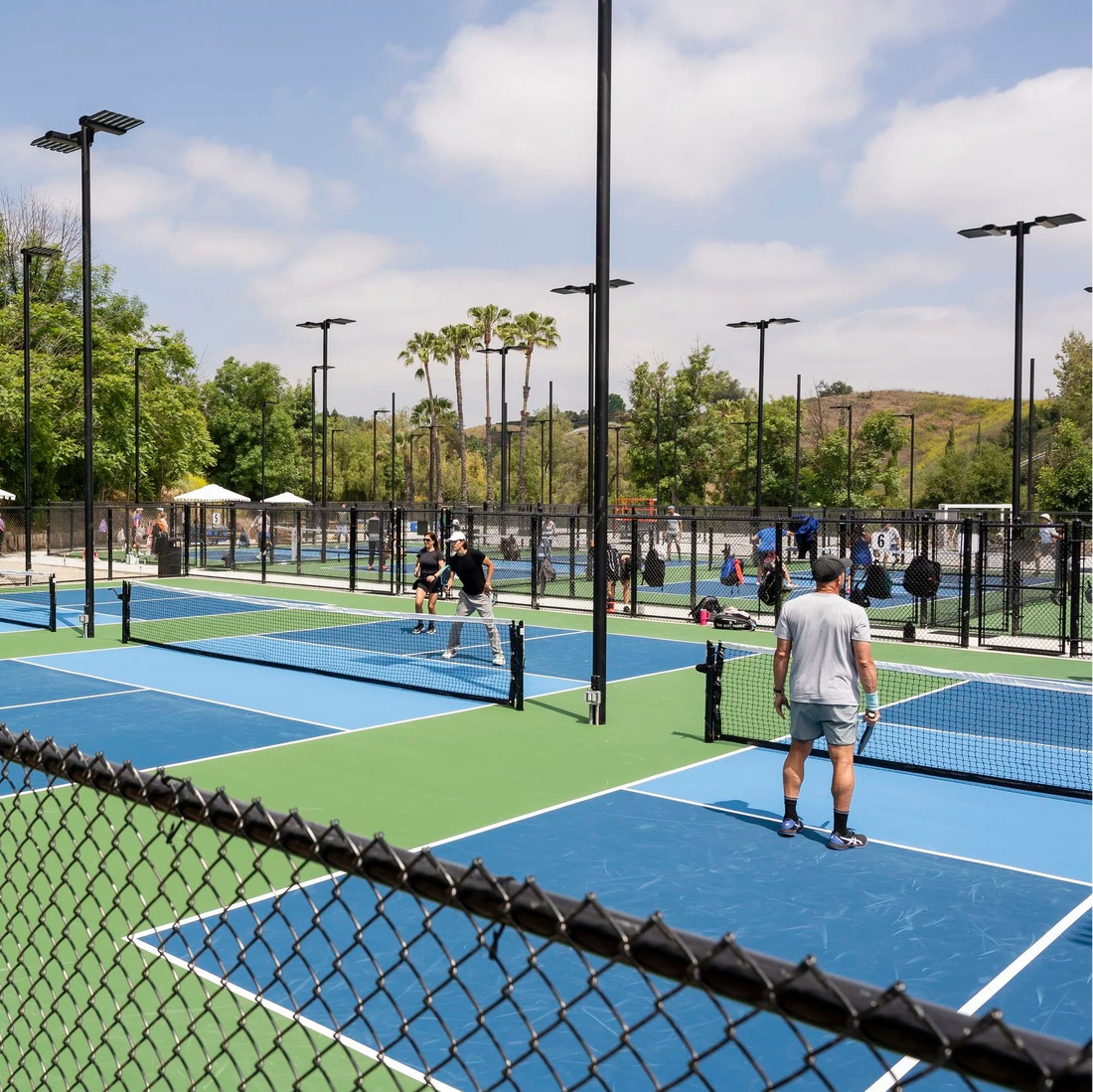
Calabasas, CA: Pickleball Ladder League at Calabasas Pickleball Club | Fall 2026 / source image cached for local review · rights review requiredCONCEPT / NOT BOOKED
Sponsor Concept
JOOLA: The Rally Rocket gear lab.
A proposed recurring page for paddles, balls, and the people learning to choose them. Concept only; no booking, outreach, or logo clearance.
The activation would rotate one equipment question each month: control versus power, indoor versus outdoor ball, grip comfort, and how to retire a paddle honestly. The editorial wall remains independent from the sponsor wall.
A sponsor could underwrite testing logistics, but the review protocol and disclosure would remain Dink Digest’s responsibility.
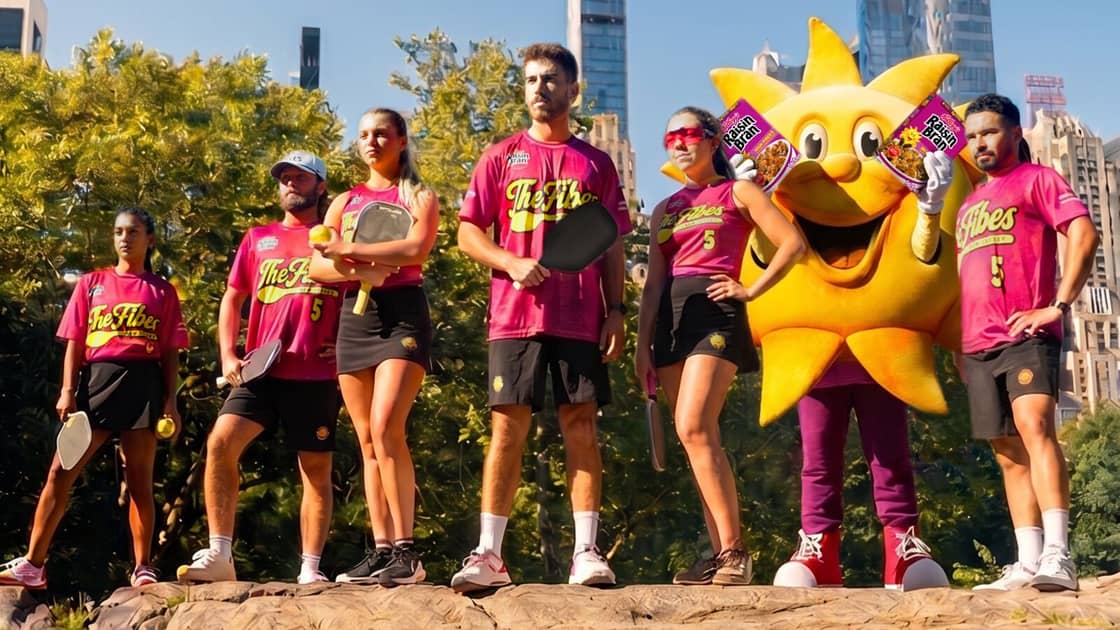
Major League Pickleball team and mascot during a sponsor activation / source image cached for local review · rights review requiredCONCEPT / NOT BOOKED
Sponsor Concept
DoorDash or Uber Eats: the post-match table.
A delivery brand could own the moment after play, but a plausible fit is not a public partnership.
DoorDash has a visible MLP association in current industry reporting. Uber Eats appears here as a speculative category for a local activation, not a verified pickleball sponsor. Both remain unsent, unpitched, and unbooked.
The creative idea is simple: a club’s last game becomes a shared meal, with dietary, pickup, and accessibility details treated as part of the experience rather than an afterthought.
DePuy Synthes is a public USA Pickleball orthopaedics sponsor; Numotion is visible in the adaptive partnership index. Neither is a Dink Digest booking.
A responsible health page would be educational, source-linked, and reviewed by a qualified professional. It would not diagnose, recommend a treatment, or convert a sponsor presence into clinical advice.
The community opportunity is to normalize warm-ups, rest, adaptive access, and questions for a clinician without turning the magazine into a medical ad.
SPONSOR CONCEPTThe local event package starts with the crowd.not booked
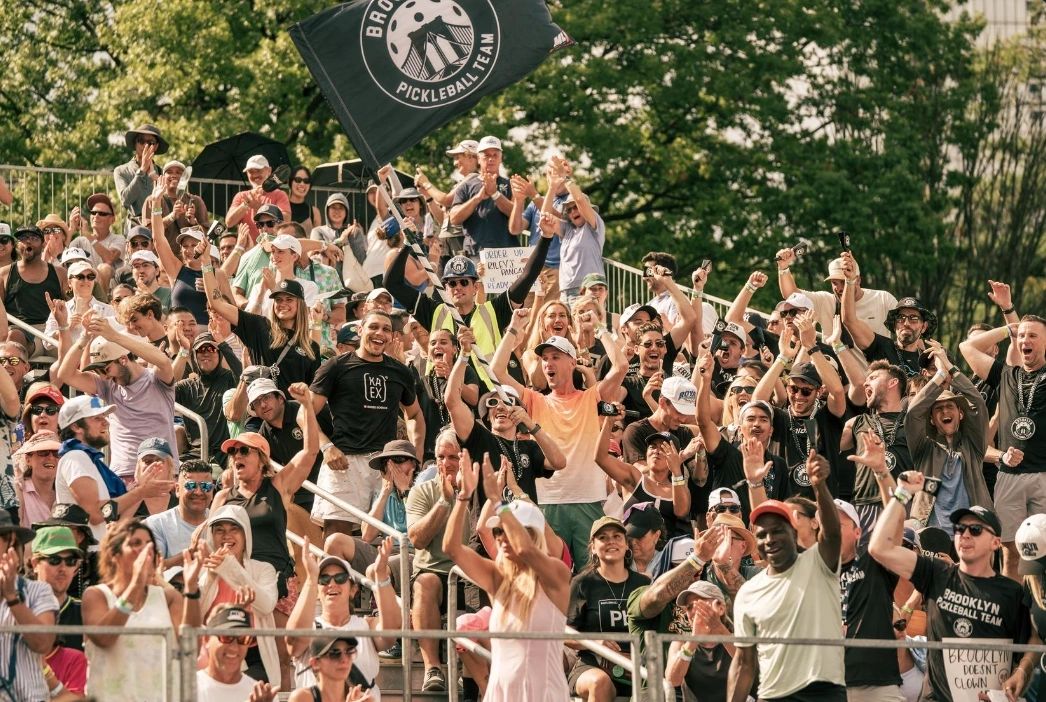
Brooklyn Pickleball Team crowd at a public event / source image cached for local review · rights review requiredCONCEPT / NOT BOOKED
Sponsor Concept
The local event package starts with the crowd.
A real team crowd makes the sponsor question concrete: food, hydration, awards, photography, and a player bag should make the day easier—not just louder.
A local sponsorship packet shows how an event can sell specific utility rather than a vague “exposure” promise. The Dink Digest model borrows the structure, not the pricing or the rights.
Each unit would need a named owner, a deliverable, a measured receipt, and a disclosure. A logo on a page is not proof of impact.
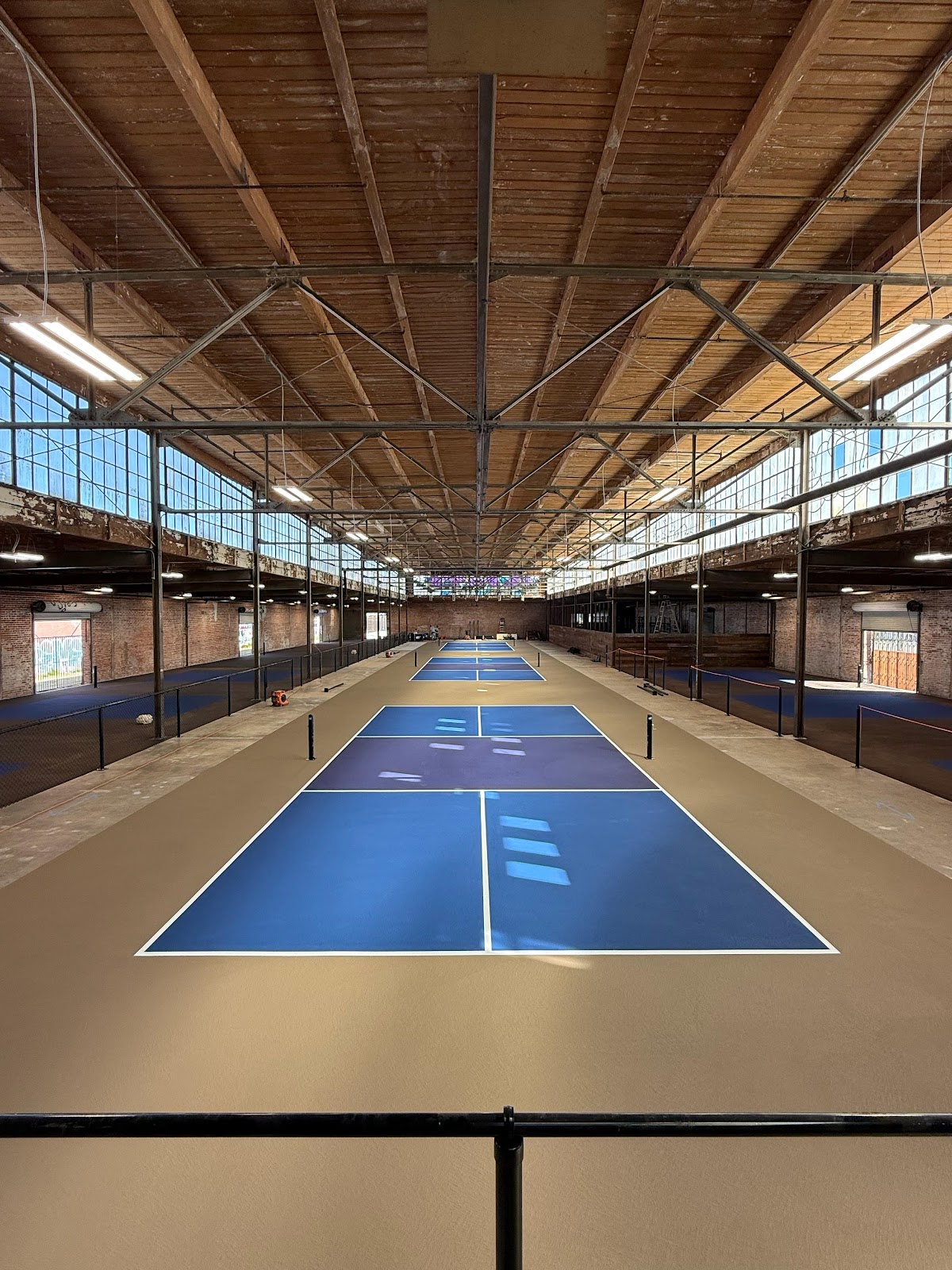
Pickle Alley Los Angeles club page source image / source image cached for local review · rights review requiredSOURCE-LINKED
LA Venue
Pickle Alley turns a warehouse into a court atlas.
Fourteen indoor and outdoor courts, a 2,800-square-foot gym, recovery space, coaching, and social play give the Arts District venue a strong club story.
The source page positions Pickle Alley as a year-round club for frequent play, competition, improvement, and connection. The cached image shows why the space photographs well: blue courts, daylight, rafters, and a long sightline.
The editorial note is practical: a beautiful venue still needs clear booking, open-play, coaching, accessibility, and pricing information for a first-time reader.
Balboa is the city’s newest highlighted court story.
LA City Parks highlights Balboa Sportscenter with eight dedicated courts and frames new construction as a balance between access and existing tennis needs.
The public page also warns that some city courts are primarily recreational and may not meet sanctioned-play dimensions or clearance standards. That caveat belongs in the headline, not in a footnote.
A strong public facility page answers: when can I play, how do I reserve, what equipment is supplied, how does the queue work, and who is this space for?
Calabasas, CA: Pickleball Ladder League at Calabasas Pickleball Club | Fall 2026 / source image cached for local review · rights review requiredSOURCE-LINKED
Inter-Club
West LA has a Cup-shaped storyline.
Brentwood, Jonathan Club, Griffin Club, and Hillcrest appear on the West LA Pickleball Cup public team page with coaches and club addresses.
The format shows how pickleball can borrow the emotional architecture of team sport: captains, coaches, rotating doubles pairs, and a recommendation to carry 12–16 players. The page also describes a recommended four-women/four-men lineup while allowing flexibility.
For a community magazine, the story is less about exclusivity and more about how clear roles make a club event feel consequential.
Griffith Park to Westchester, with a club in between.
LA Pickle Club publishes two locations and a daily-events frame for players across the west and central parts of the city.
The Griffith Park and Westchester centers make a useful case study in local brand architecture: one operator, two neighborhoods, and a calendar that has to serve both visitors and regulars.
Dink Digest lists the locations as public club information, not as an endorsement or a guarantee of current programming.
Griffin Club Los Angeles - Pickleball / source image cached for local review · rights review requiredSOURCE-LINKED
Coach Desk
Four coaches, one team format.
The West LA Cup page names Riza Zalameda, Michael Schwartz, Cari Buck, and Alika Pico as club coaches.
A coach feature should show the operating job, not only a bio. In a club cup, coaches help shape pairings, explain logistics, answer questions, and keep competition connected to sportsmanship.
The magazine does not infer personal credentials beyond the public event listing. A fuller profile would require an interview and consent.
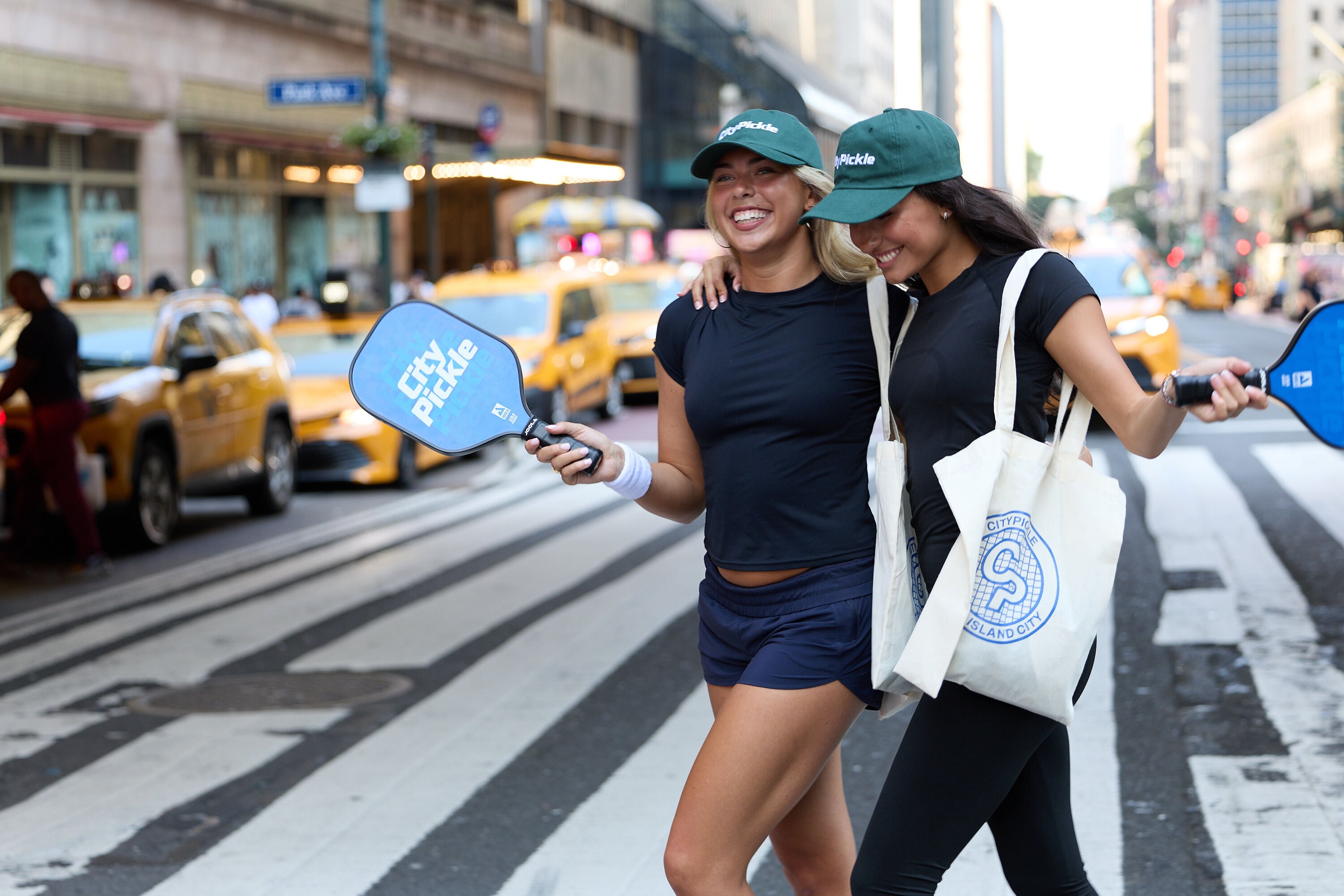
Two CityPickle players walking with paddles on a New York City street / source image cached for local review · rights review requiredSOURCE-LINKED
Coaching Lab
Teach the welcome before the winner.
A senior-friendly class can be clearer, calmer, and more social without being less serious.
The modeled lesson begins with orientation: where to stand, how scoring works, how the queue works, and who to ask for help. It then adds one cue at a time, scheduled rest, water, and partner rotation.
This is not medical advice. It is an inclusive coaching design that a qualified instructor can adapt to a real group.
Public-health guidance supports regular activity for older adults, but a magazine should keep its claim modest and its invitation practical.
The CDC and National Institute on Aging sources used in the earlier framework support movement, strength, balance, and social connection as broad activity ideas. This issue keeps that context separate from personal health decisions.
The club action is simple: publish session pace, rest options, court surface, seating, water, and who can help a new player.
USA Pickleball’s partnership index and adaptive programming point toward a bigger editorial lane: show how people enter the game, not just who wins it.
An adaptive page should identify physical access, court clearance, seating, bathroom routes, equipment, and staff training. It should also invite corrections from players who use the space.
The current issue keeps partner references at the public-association level and avoids clinical claims or individual stories without consent.
USA Pickleball’s junior structure uses 12U, 13–14, and 15–16 divisions, with singles and doubles lanes.
The youth page emphasizes learning, sportsmanship, teamwork, and a route toward advanced tournaments. That framing is a useful counterweight to adult media habits that overvalue early status.
A local club can borrow the model: publish age groups, coaching ratios, parent expectations, and a low-pressure way to try the sport.
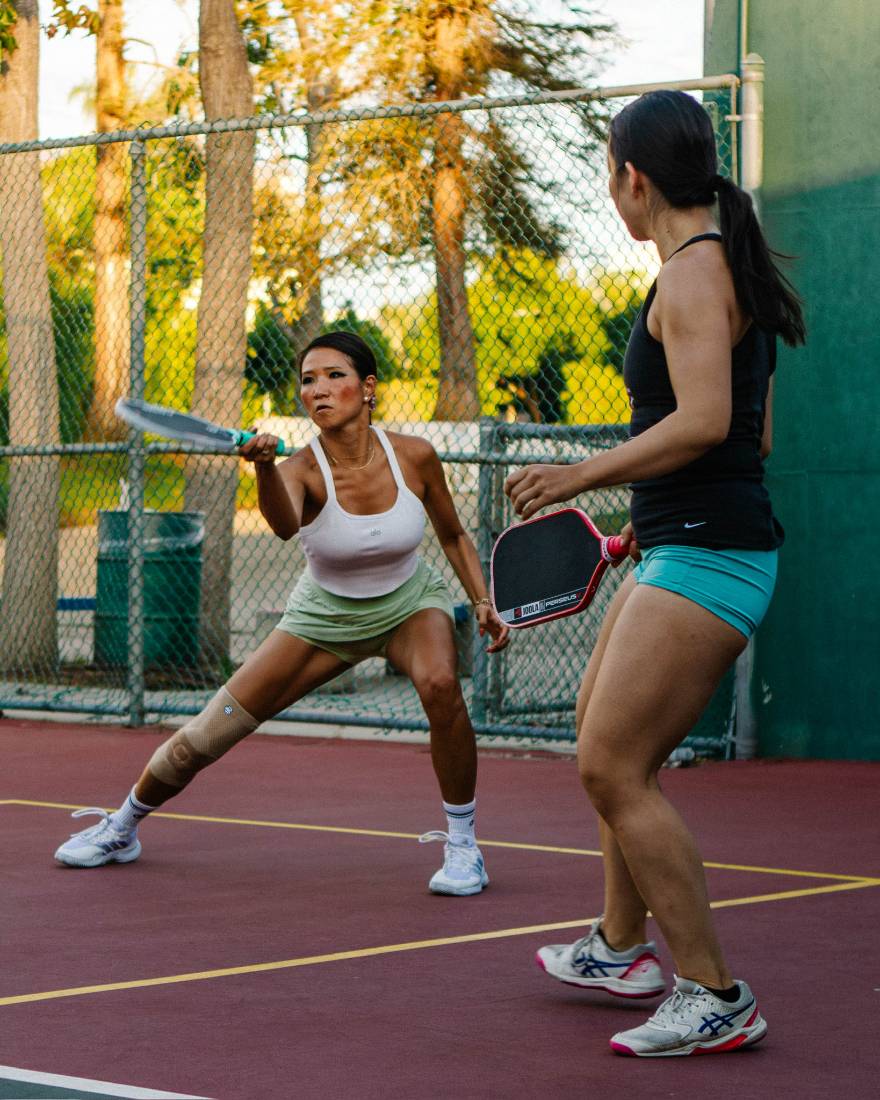
Two women playing a doubles point at an outdoor Los Angeles pickleball court / source image cached for local review · rights review requiredSOURCE-LINKED
Women’s Club Life
A women’s session is a community product.
The club calendar is where the pro women’s story becomes a weekly behavior.
Pickle Match Club publishes women’s, men’s, mixed, and singles sessions in its LA schedule. A good women’s session is not a lesser version of a tournament; it is a repeatable environment with a clear level, welcome, partner rotation, and social afterline.
The feature is a design prompt, not an evaluation of one club’s inclusion practices.
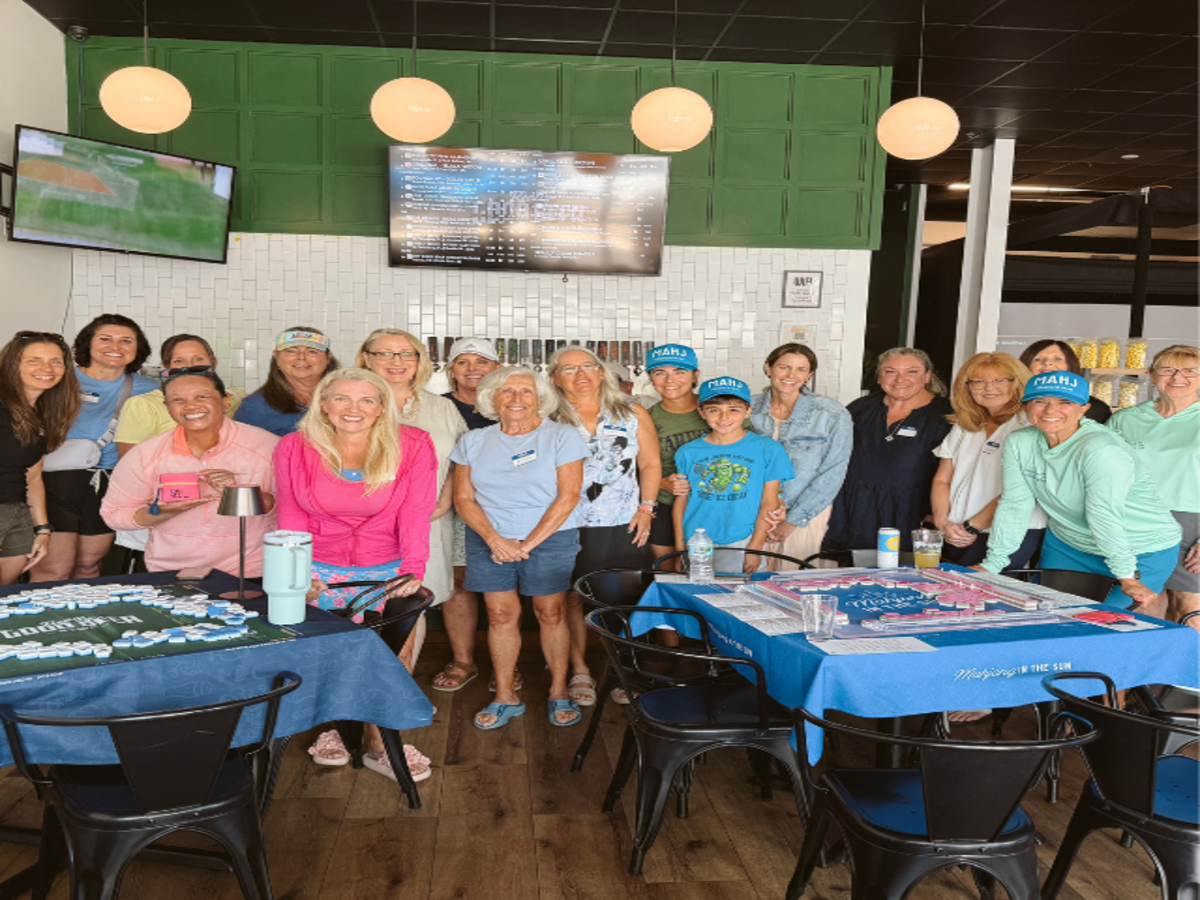
Mahjong in the Sun meetup with players gathered around a social table / deterministic crop from img-source-053 · rights review requiredSOURCE-LINKED
Trend Lab
Pickleball in the morning. Mahjong in the afternoon.
Mahjong in the Sun describes a social complement to pickleball, with the same basic promise: skill, style, and connection.
The trend is interesting because it gives clubs a second clock. Court energy can be followed by a lower-impact table game, a lesson, or a destination event. That can help families, older adults, and mixed-interest groups stay longer without forcing everyone onto the same court.
Dink Digest labels the idea as a trend and concept. It does not claim a national market measurement from one operator’s story.
Rhythm & Rally positions LA pickleball as a DJ-led jam: drink, dance, and play, with all levels welcome.
This is the “disco in the pickleball field” idea in a form that already exists publicly. The editorial question is not whether every club needs a DJ. It is whether clubs can build a social layer that makes the night memorable without compromising court safety or neighbor relationships.
A music-forward event needs volume, lighting, hydration, and exit planning. Vibe is an operating system.
Food and drink can extend a club experience, but they should not quietly become the only way to belong.
LA social formats, sponsor packets, and delivery-brand concepts all point toward a second scoreboard: who stays, talks, eats, and returns. That is not a substitute for play quality; it is a measure of community design.
Keep the operational line clear around alcohol, age, accessibility, and designated drivers. A sponsor concept must not become a safety blind spot.
Pickle Alley players gathering during Open Play / source image cached for local review · rights review requiredSOURCE-LINKED
Club Design
Make the first ten minutes kinder.
The best clubs reduce uncertainty before they add intensity.
A welcome board can answer five questions: where do I check in, what level is this, how do I rotate, what happens if I need a rest, and who can introduce me to a partner? Those small pieces are more valuable than a glossy promise.
Dink Digest’s own reader design mirrors the same idea: contents, progress, search, source links, and mobile-safe cards.
Pickle Match Club publishes check-ins and regular-player counts, which makes the community visible. A more complete monthly dashboard could add new-player return, average wait, no-show rate, incident resolution, and the share of sessions with a clear host.
These are proposed measures, not measured results for Dink Digest or any club.
LA City Parks explicitly frames pickleball growth alongside tennis, access, maintenance, and community engagement.
The public-court story is not only construction. It is schedule design, noise, parking, equipment, waiting systems, lighting, and the feeling that existing users were considered. The most credible advocacy is specific about tradeoffs.
That is why Dink Digest prefers a court story with operating details to a generic “pickleball is booming” headline.
USA Pickleball’s 2025 annual report lists 18,258 places to play and 82,613 courts in the Pickleheads database.
Data desk · comparison bars
The footprint is already a network
USA Pickleball annual report · January 2026 snapshot
Places to play18,258
Courts82,613
Different units; bar lengths are normalized within each label, not added together. Unit: reported locations and courts · 2025 report / captured January 30, 2026.
The numbers are powerful, but they are not a promise that every location has the same quality, hours, accessibility, or social welcome. A network is only useful when people can find a court and understand how to join it.
Dink Digest treats the figures as a dated source snapshot, not as live inventory.
The 2026 Oceanview USA Pickleball National Championships are scheduled for October 31–November 8 at Barnes Tennis Center in San Diego.
USA Pickleball describes Nationals as the longest-standing and only qualification-required national championships in the sport. Oceanview’s title sponsorship makes the event a useful case study in how access, competition, and commercial partnership meet.
This is a preview page. It does not claim a Dink Digest relationship with Oceanview.
The 2026 Pickleball World Championships are scheduled for October 30–November 8 at Brookhaven Country Club in Farmers Branch, Texas.
The public announcement makes Opendoor the title sponsor and frames the championship as the sport’s marquee event. For readers, the useful question is how world-level events connect back to the local club calendar.
The answer is through pathways: watch, volunteer, play a sanctioned event, coach a junior, or host a watch party without pretending everyone is on the same competitive route.
Queens of the Court action photo / source image cached for local review · rights review requiredSOURCE-LINKED
Fall Calendar
The season keeps moving west and south.
The PPA schedule points to Las Vegas, Chicago, Virginia Beach, Dallas, Daytona Beach, and Malibu as the next major story stops.
A calendar page is useful when it shows both event identity and reader action. This month’s route includes the Rate Las Vegas Open, Veolia Chicago Cup, Virginia Beach Open, Opendoor Worlds, Proton Daytona Beach Open, and the Veolia Malibu Cup.
Dates and locations remain subject to change; follow the official tour source before planning travel.
The PPA’s new World Pickleball Rankings decide early byes at the Arizona Open; the reader’s job is to ask what the number measures.
Rankings can make the season legible, but they are not character, chemistry, or a promise of future results. In this issue we show the ranking source, date, and context alongside the editorial recognition.
Jev may help route a candidate story. It does not replace the source, the cutoff, or the human release owner.
A hydration station, court-side shade, junior equipment, awards, or a ride home has more editorial integrity than a floating logo.
The modeled activation board pairs each sponsor category with a visible use case, a named owner, and a receipt. The unit is a service to the event, not a claim about conversion.
If a sponsor cannot explain what players receive, the placement probably has not been designed yet.
One title page, one gear page, one social page, one community utility page, and one event partner page create a repeatable sponsorship cadence.
The proposed calendar keeps editorial and sponsor work in separate lanes: a partner can underwrite a page without controlling the conclusion. It also gives a future sales conversation a real unit to evaluate.
No sponsor is approved, and no recipient, price, or outreach message is prepared in this issue.
Jev’s job in this issue is advisory: classify supplied candidates into KEEP, HOLD, DUPLICATE, OUT_OF_SCOPE, or NEEDS_VERIFICATION.
The candidate packet includes source URLs, dates, geography, missing-evidence flags, and sponsor status. Deterministic code still owns freshness, duplicates, rights, privacy, thresholds, and publication authority.
The frozen acceptance threshold is 0.95 among structurally valid advisory outputs. A low-confidence item stays held; it does not become a story because the model sounds certain.
Ten cached source images make the issue feel like a magazine; provenance makes it honest.
The image index records source page, direct asset URL, capture date, asset hash, rights status, freshness, visual review, and alt text. The current local build keeps every image at REVIEW_REQUIRED_NOT_CLEARED_FOR_PUBLICATION.
A human rights review is still needed before any public republication, print distribution, sponsor deck, or named media release.
This first Dink Digest proves the frame. The next issue should earn the detail from clubs, coaches, and players who opt in.
The editorial loop is straightforward: freeze a window, collect public sources, ask for corrections, publish the evidence rail, and keep every sponsor idea visibly hypothetical until it is actually approved.
The best next step is not more pages. It is a verified calendar, a small set of consented club voices, and an image rights path that can survive public distribution.
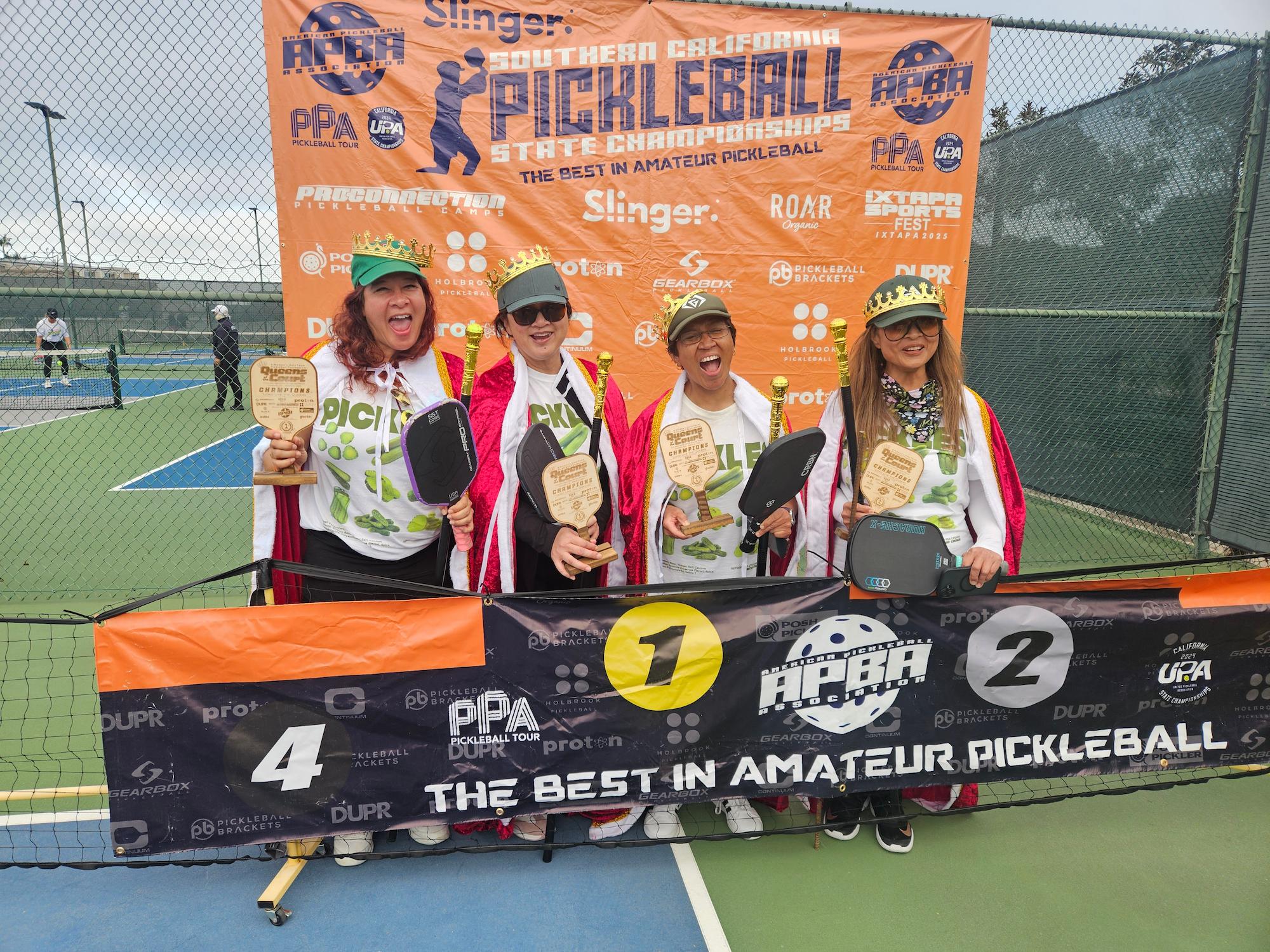
Queens of the Court medal photo / source image cached for local review · rights review requiredSOURCE-LINKED
Gear Desk
The paddle bag is part of the playing field.
The equipment story is not just a product wall: it is the net, the carry, the grip, and the small choices that shape a session.
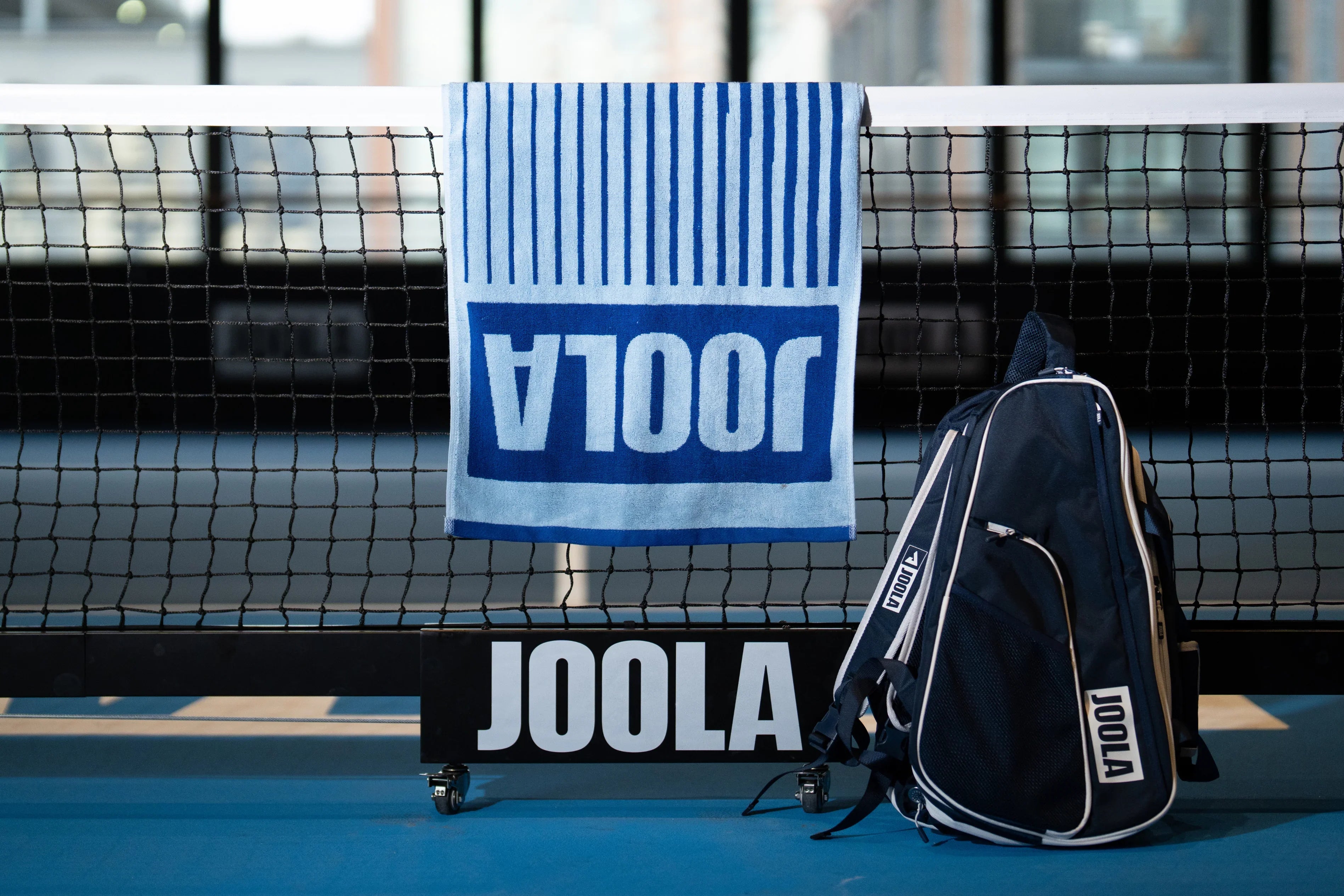
JOOLA’s public pickleball catalog makes the equipment lane legible: paddles sit beside balls, nets, bags, and accessories. That mix reflects how club players actually arrive at the court, with a kit that has to move from car to gym to outdoor session.
The useful editorial question is fit, not hype. Check dimensions, weight, grip, durability, and return terms against the way you play before treating any product as a recommendation.
Queens of the Court team photo / source image cached for local review · rights review requiredSOURCE-LINKED
Back Cover
Play the next point.
Dink Digest / NY + L.A. / September 2026.
Independent web edition. Public sources linked. Sponsor concepts not booked. Images cached for local review and rights review required. No external publication or outreach occurred.
NYC Pickleball / Fall 2026 leagues and ladders source image / source image cached for local review · rights review requiredSOURCE-LINKED
NY Service
The 50+ ladder turns midday into a league.
Hunter’s Point gives older adults a repeatable Wednesday entry point instead of a one-off open play.
NYC Pickleball lists a 50+ Mid-Day Ladder League at Gotham Hunter’s Point on Wednesdays from 11 a.m. to 1 p.m., with the Fall 2026 season starting September 23.
The useful story is cadence: a player can arrive with a clear age lane, a weekly rhythm, and a public registration route. Confirm court availability and level fit before traveling.
Editorial image of a Major League Pickleball event in a city park / source image cached for local review · rights review requiredSOURCE-LINKED
NY Service
A beginner league chooses the doorway.
Major R. Owens becomes a first step for players who need a named place, level, and start date.
The NYC Pickleball league page lists a Level 1 beginner session on Sundays from 5–7 p.m. at Major R. Owens Community Center, starting September 20.
That is a better onboarding story than “pickleball is for everyone” on its own. The page names the level and venue; the reader still needs to verify registration and equipment details.
CityPickle lists Wollman Rink as a 14-court outdoor location in Central Park. That gives the NYC desk a clean destination frame: iconic setting, ordinary game, unusually high visibility.
A beautiful court still needs rules, reservations, and a fair way to rotate in. The chart on this page is a source-linked operator snapshot, not a complete New York court census.
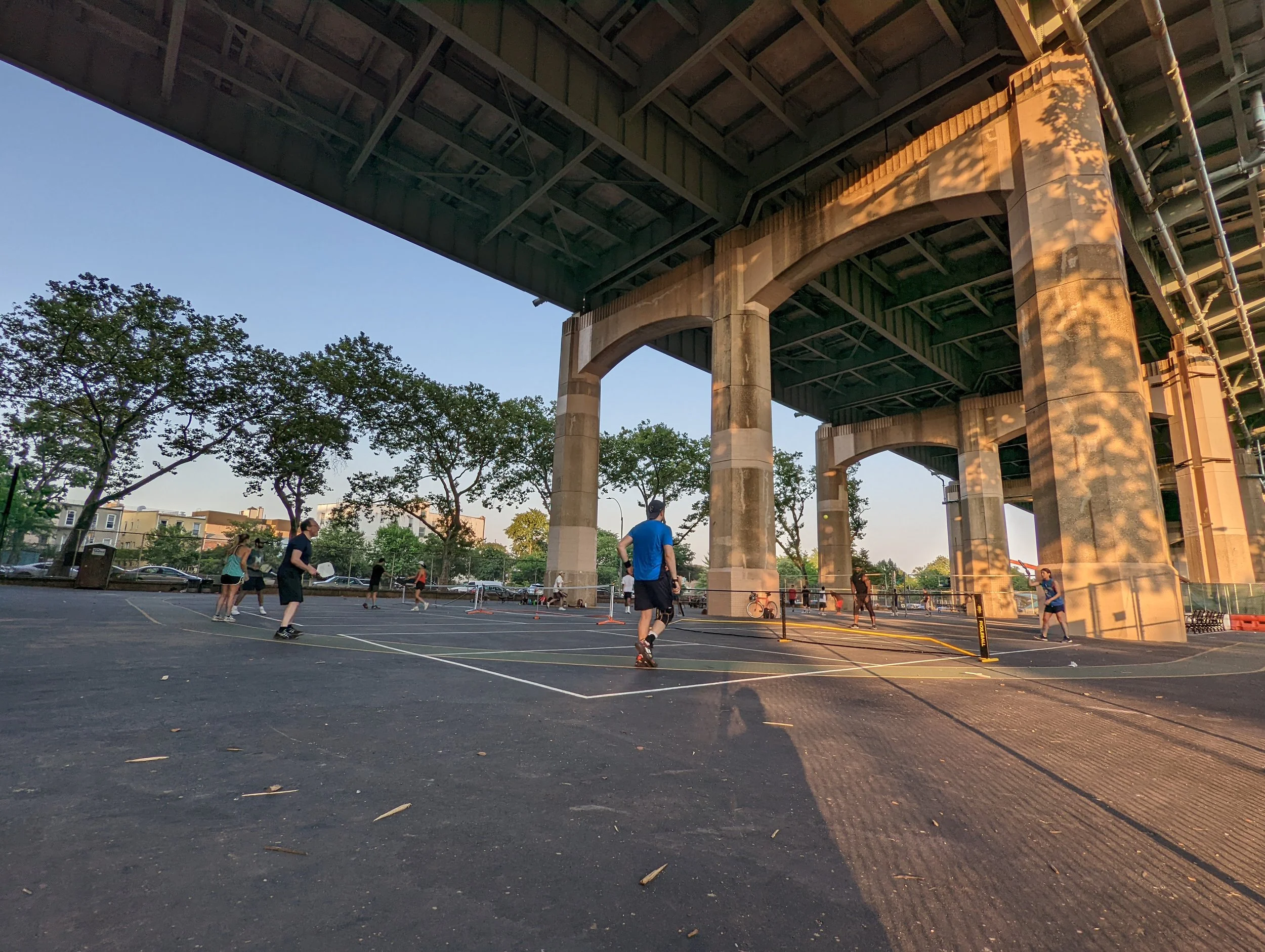
Players using public pickleball courts beneath an elevated New York City bridge / source image cached for local review · rights review requiredSOURCE-LINKED
NY Neighborhoods
Hudson River Park has a permanent-net problem worth solving.
Four dedicated courts, permanent nets, and lights make access clear; the next question is how open play stays legible.
The NYC Pickleball Guide lists four dedicated Hudson River Park courts with permanent nets and lighting. That is the difference between a court card and a vague recommendation.
For older adults and visitors, the service layer matters as much as the surface: last verified date, open-play pattern, restrooms, and how a solo player joins.
Four dedicated courts
Permanent nets and lights
Guide date and open-play status should be rechecked
Riverside Park runs on five courts and a social rulebook.
Five dedicated courts are a useful capacity fact, but a route still depends on rotation, nets, and the people already there.
Data desk · ranked bars
The neighborhood route is not one court
Selected public-court counts in the NYC Pickleball Guide
Roy Wilkins Park4
Rockaway Beach1
Van Cortlandt Park1
Counts describe the cited locations; access, nets, and programming still need a check. Unit: courts or painted court setups · September 2026 source snapshot.
The NYC Pickleball Guide lists five dedicated Riverside Park courts. The fact belongs in the issue because it is specific; the caveat belongs beside it because public-play conditions change.
A neighborhood feature should tell a reader what can be confirmed online and what must be learned courtside. The chart on this page keeps those categories separate.
Roosevelt Island makes instruction part of access.
Two dedicated courts, beginner lessons, and supplied paddles create an unusually clear first-visit proposition.
The NYC Pickleball Guide lists two dedicated Roosevelt Island courts and beginner lessons on Tuesdays and Thursdays from 9 a.m. to noon, with paddles supplied.
That combination lowers the friction for a first visit. It also shows why a monthly court page should report programming and equipment, not just a pin on a map.
The city’s official program frames growth as access plus a balanced relationship with tennis.
LA City Parks describes a citywide committee that identifies underused tennis courts for standalone or hybrid pickleball opportunities and encourages inclusive programming across ages and abilities.
That is a government story worth following because a court conversion is never only a paint job. It is scheduling, lighting, waiting systems, maintenance, and who gets a dependable time to play.
Standalone or hybrid opportunities
Older-adult and disability access named as objectives
West Hollywood’s Plummer Park agenda turns pickleball into a public-process story with a named council sponsor.
A March 2026 City of West Hollywood staff report initiated by Councilmember John M. Erickson proposed a phased increase in dedicated pickleball access at Plummer Park, beginning with Courts 6 and 7 and community engagement.
Dink Digest labels this as a public directive and staff-report story, not an endorsement. The community question is what happens after the vote: timing, resurfacing, communication, and shared-court trust.
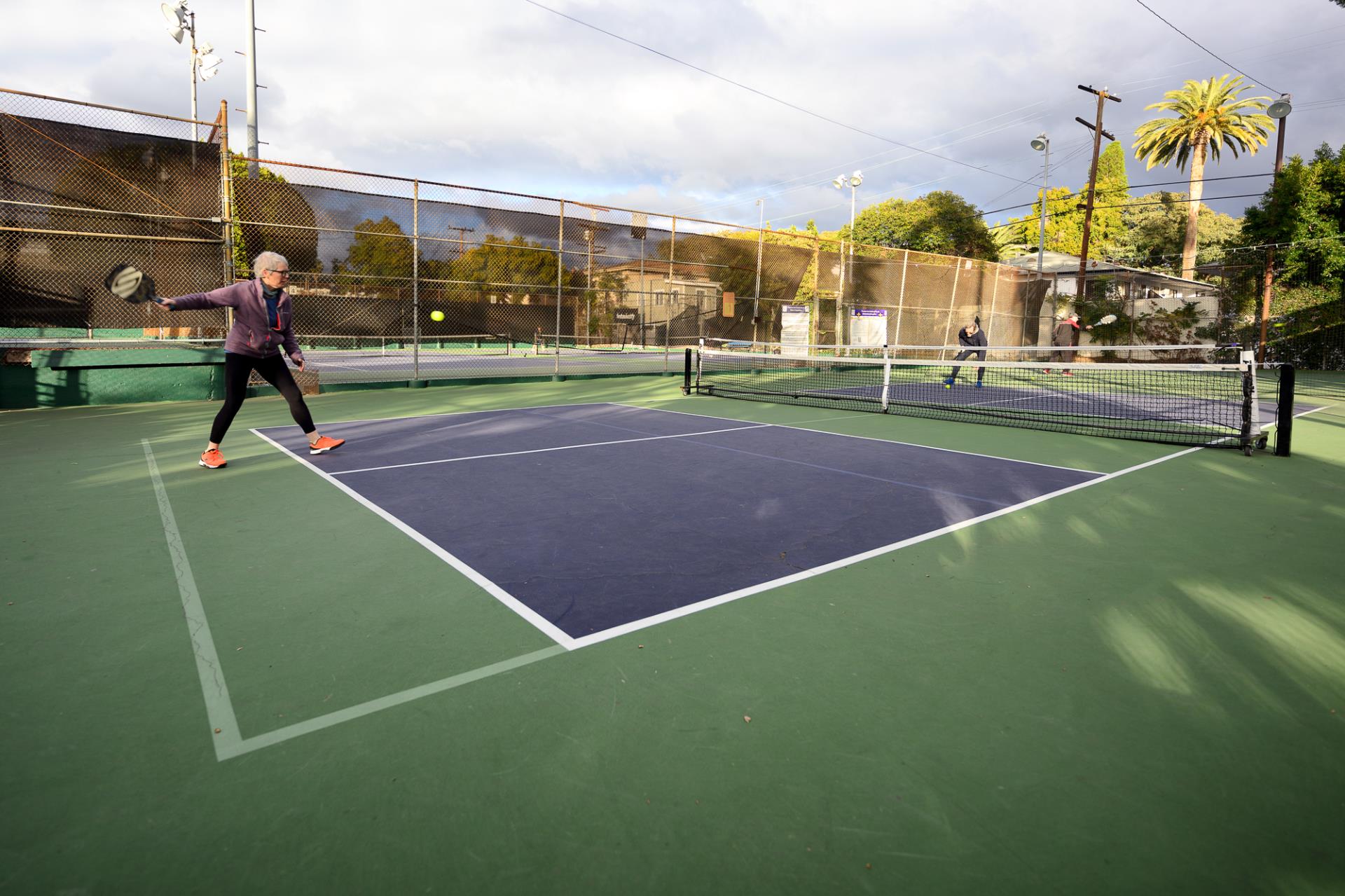
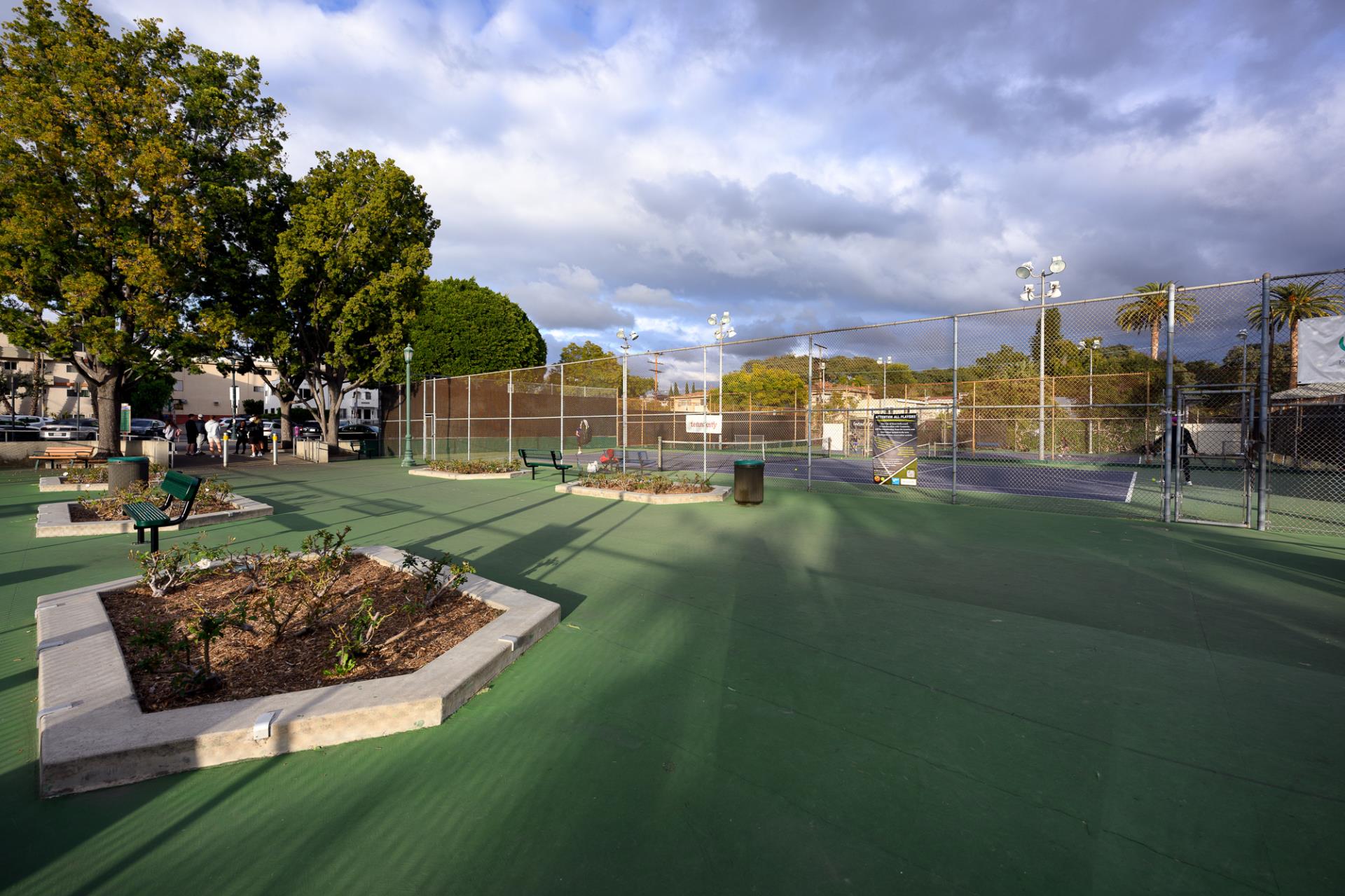
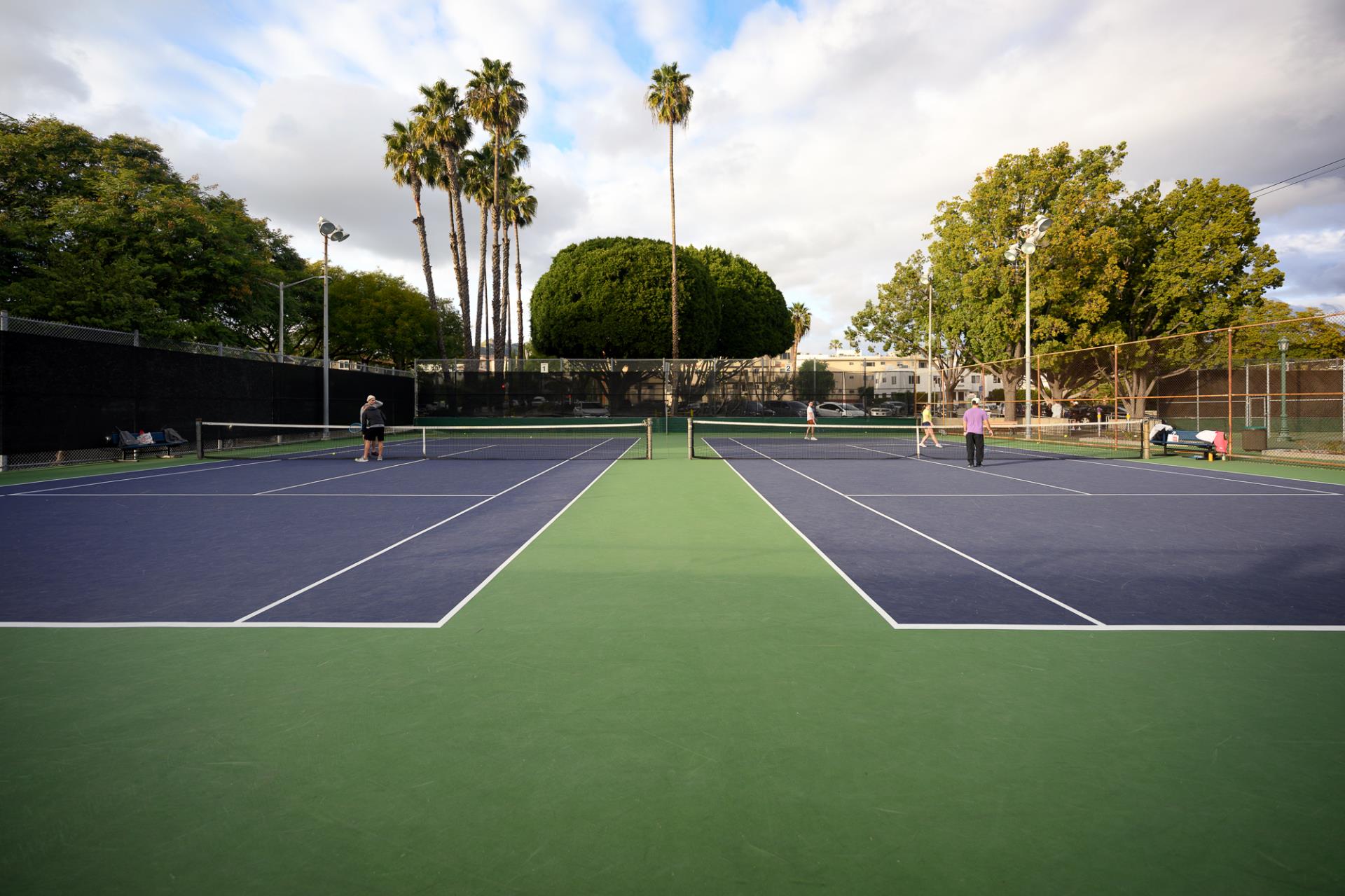
Outdoor pickleball court at Plummer Park in West Hollywood / source image cached for local review · rights review requiredSOURCE-LINKED
LA New Courts
Balboa makes the “new court” headline concrete.
Eight dedicated courts are a better lead than an abstract growth statistic.
LA City Parks highlights Balboa Sportscenter as a newest-court story with eight dedicated courts now open. A strong local feature should show what changed for nearby players: capacity, lighting, programming, and the first month of use.
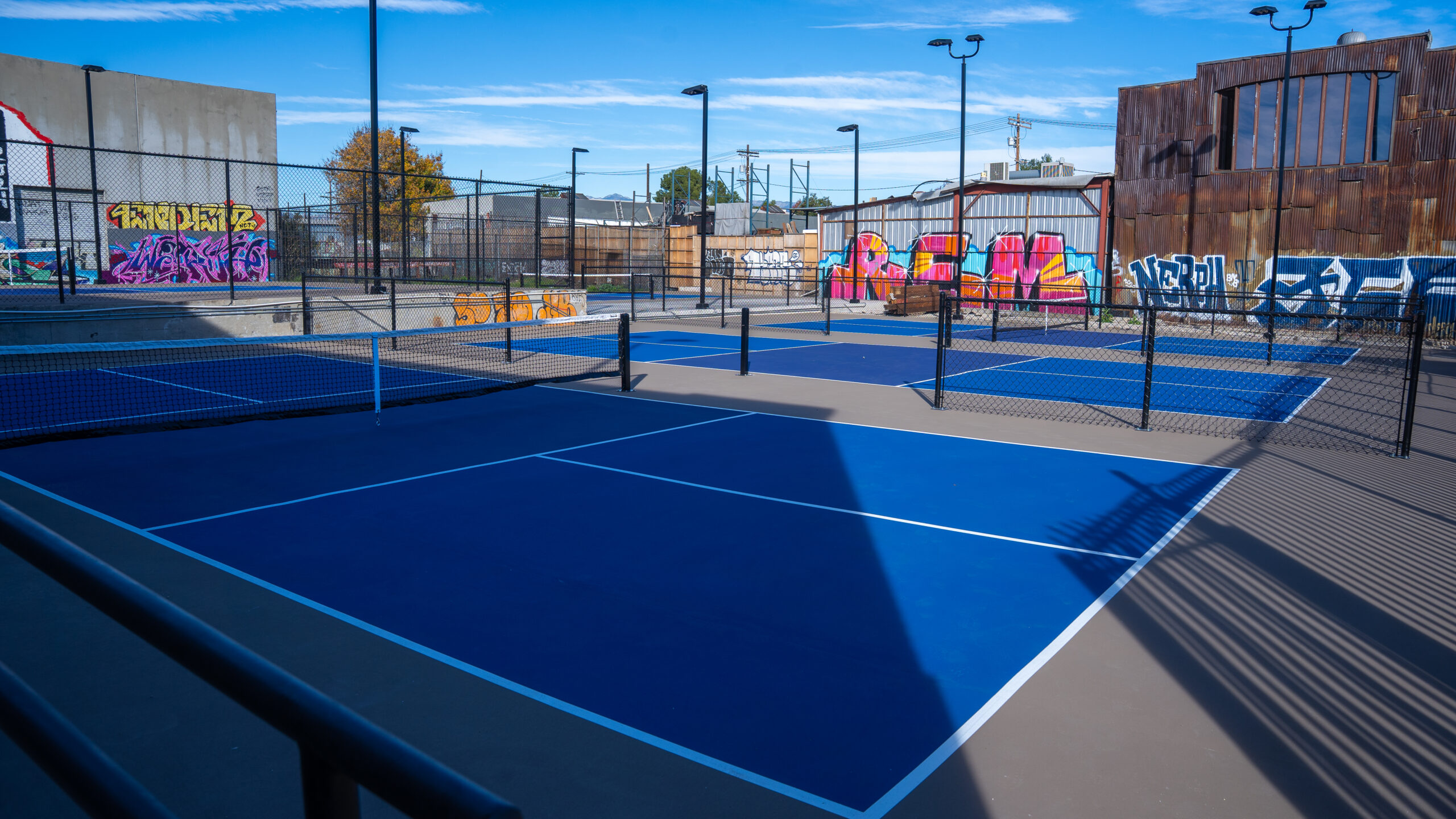
The image desk pairs a crowd scene with a court card so readers can see both atmosphere and operating detail.
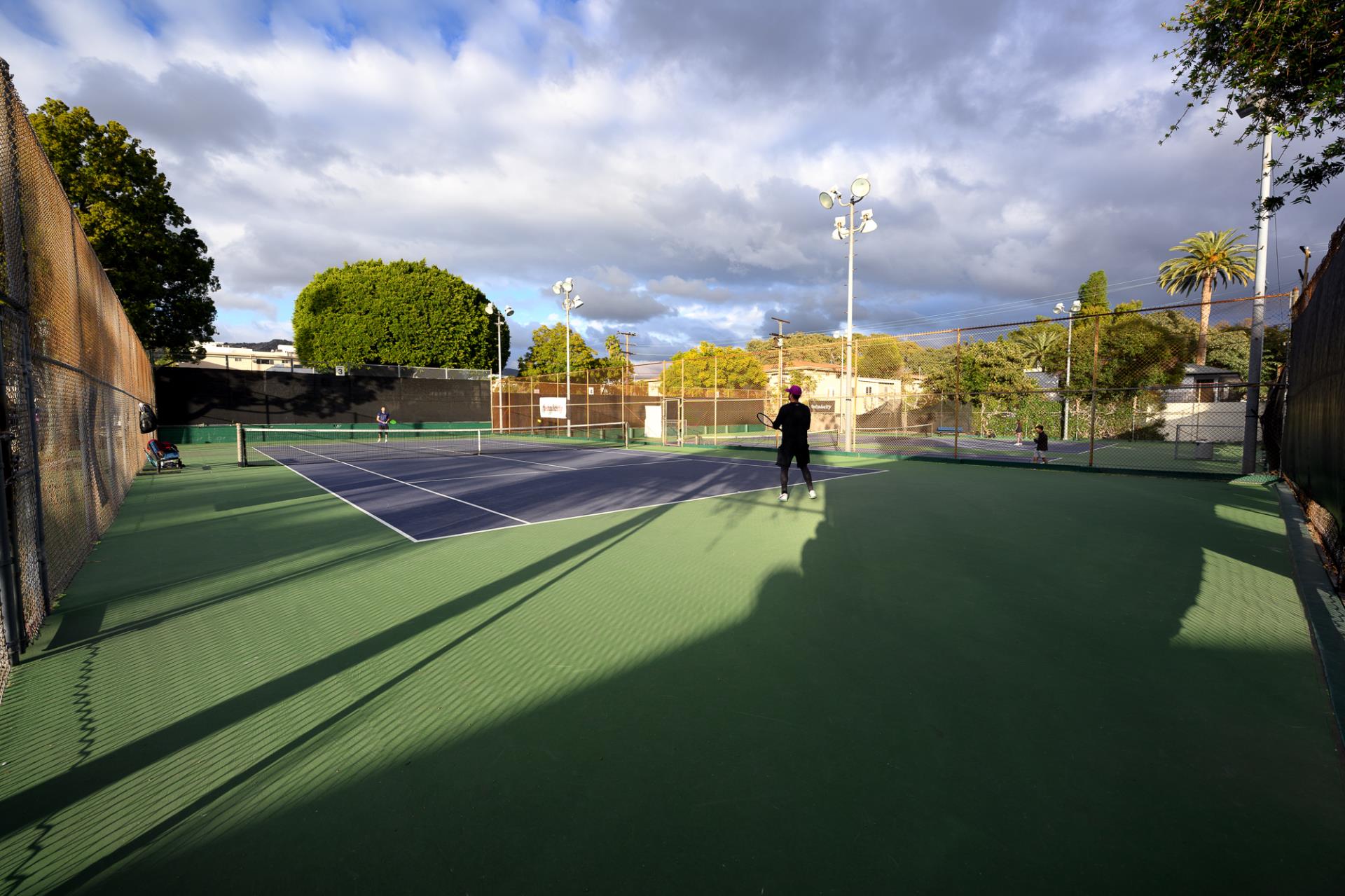
PP Tennis 3 / source image cached for local review · rights review requiredSOURCE-LINKED
LA New Courts
A court is not finished when the paint dries.
The launch checklist is maintenance, rotation, lighting, safety, and a public answer to “how do I get on?”
LA City Parks lists waiting systems, clearly marked courts, adequate lighting, and well-maintained facilities among the citywide committee objectives. Those are the pieces a launch photograph cannot show.
For monthly coverage, Dink Digest will revisit new courts after the ribbon-cutting. A busy opening day is a signal; a repeatable schedule is the product.
West LA Pickleball Cup publishes two divisions with separate leaderboards. Division 1 runs through Griffin Club, Jonathan Club, Brentwood, and a Hillcrest championship; Division 2 moves through Hillcrest, Brentwood, Griffin, and a Jonathan championship.
That structure gives the LA desk a real schedule and a real caveat: standings should be read within division, not collapsed into one citywide ranking. Spring 2026’s champion was Griffin Club, with Jonathan Club as finalist.
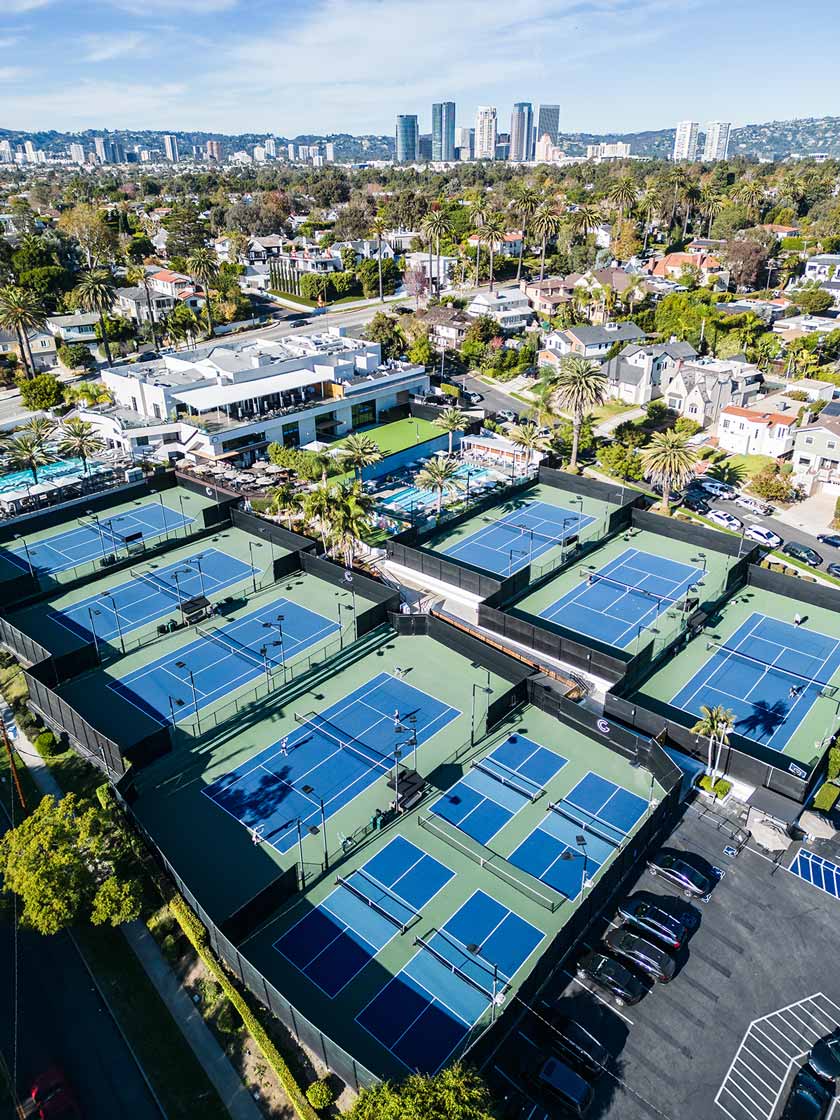
Aerial view of Griffin Club pickleball courts in Los Angeles / source image cached for local review · rights review requiredSOURCE-LINKED
LA Rituals
Friday night is a standing appointment.
Griffin Club keeps recurring drop-in on the calendar, turning a venue into a weekly habit.
Griffin Club’s public pickleball events page lists Friday drop-in dates through October 2026. A recurring listing is small news, but it answers the question many players actually have: when can I show up and find a game?
The calendar is a source-linked starting point, not a guarantee of capacity. Recheck the host page before making the trip.
The magazine benchmark is simple: action photograph for matches, wide scene for clubs, neighborhood context for courts, portrait for people, and a chart or diagram when the subject is a system.
All cached third-party images in this issue remain rights-review holds. The visual polish is a layout decision; it is not a license.
A club earns loyalty by making the first five minutes feel legible.
CityPickle describes open play, clinics, leagues, tournaments, and private events as distinct ways to play. That menu is a useful product lesson for any club serving both regulars and one-time visitors.
The senior-friendly version makes the entry lane visible: where to stand, how rotation works, what level is welcome, and how to ask for a partner without apologizing.
A leaderboard needs a method before it needs a number.
This month’s club board is a transparent editorial index, not an official national ranking.
Dink Digest scores club visibility using public evidence of courts, recurring programs, tournament cadence, neighborhood utility, and source freshness. It does not claim to measure revenue, membership, or player quality.
The board is designed to reward useful infrastructure rather than the loudest marketing. A club can move up by publishing a better schedule, not only by adding another logo.
Club board: CityPickle leads the destination lane.
A public multi-location footprint, varied programming, and partner architecture make CityPickle the current destination benchmark.
The placement is editorial and time-stamped. CityPickle publicly lists locations, courts, open play, clinics, leagues, tournaments, food, and partner brands. Those are visible signals of a destination model, not proof of the best player experience in every session.
Readers should treat the board as a starting point for a visit, then verify current pricing and reservations.
Club board: Pickle Match Club owns the cadence story.
A weekly calendar can be more powerful than a giant facility.
Pickle Match Club reports weekly round robins, ladders, monthly standings, and quarterly tournaments, alongside self-reported August 2026 activity figures. We publish those numbers as club-reported evidence, not audited market share.
Its lesson for smaller clubs is repeatability: a player returns when the format, level, and social promise are clear enough to become a habit.
Pickle Alley, LA Pickle Club, and local organizers make the city feel like a network of formats.
The LA desk sees clubs, pop-ups, public courts, and social events sharing the same players. That is why a club leaderboard should show format: warehouse, rooftop, public park, country-club, or community program.
No one format wins the city. The useful question is whether a player can find a welcoming next game.
Three players meeting at the net during an indoor Brooklyn pickleball session / source image cached for local review · rights review requiredSOURCE-LINKED
Club Leaders
The leader is the person who keeps the ladder moving.
Club leadership is logistics, welcome, and conflict repair as much as it is a paddle or a podium.
Dink Digest’s leader board recognizes publicly visible roles: organizers who publish schedules, coaches who name levels, and operators who make social entry possible. It is not a popularity contest and does not imply endorsement.
The feature format asks three questions: what problem did you solve, who benefits, and what would you change next month?
Pickle Alley members playing pickleball during Open Play / source image cached for local review · rights review requiredSOURCE-LINKED
Coach Desk
The coach is a translator, not a louder player.
Pickleball Union’s expert roster shows how the category is broadening from pro instruction to training, coaching, and physical preparation.
The public expert page names coach and trainer roles across player development, camps, strength, and injury prevention. A future Dink Digest coach profile will stay specific: a drill, a player group, a progression, and one caveat.
For older adults, the best coach feature is not a promise of transformation. It is a clear next session with a safe entry point.
The fastest way to make a class feel professional is to remove the opening uncertainty.
Start with names, levels, and one shared goal. Explain the rotation. Give players a ball and a first target before introducing a drill. The structure is a Dink Digest playbook, not a quoted coaching prescription.
The page belongs beside the calendar because good instruction is a programming decision. If players cannot find the class, the lesson never starts.
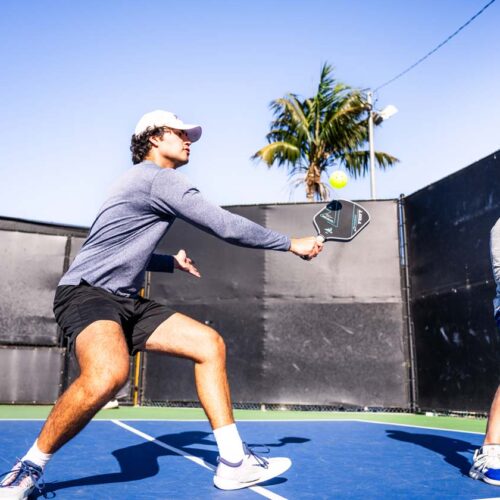
Player reaching for a low ball during an outdoor Los Angeles pickleball session / source image cached for local review · rights review requiredSOURCE-LINKED
Health Desk
The shoulder story starts before the serve.
Comparable pickleball media now treats injury prevention as a core desk, not an occasional warning box.
The Dink’s current instruction feed includes shoulder protection during serves, while Pickleball Magazine gives health and injury prevention their own editorial lanes. Dink Digest keeps the language educational and general.
The practical takeaway is to warm up, scale volume, and seek qualified advice when pain persists. This is not personal medical guidance.
Player holding a ready position with a paddle during an outdoor Los Angeles session / source image cached for local review · rights review requiredSOURCE-LINKED
Health Desk
Physiology belongs in the weekly rhythm.
A senior-friendly magazine can talk about recovery without turning play into a medicalized lifestyle brand.
A useful physiology page tracks effort, rest, heat, hydration, and the difference between a tournament day and a social hour. It also respects that older players may be managing existing conditions outside the court.
Future issues can invite qualified professionals to review copy. Until then, the page remains a general education prompt with no diagnosis or treatment claim.
Age divisions, adaptive play, and reliable access deserve the same editorial weight as pro headlines.
USA Pickleball’s public program materials and tournament structures make age and access visible, while the LA Parks objectives explicitly name older adults and players with disabilities. That is enough evidence for a recurring desk.
The feature standard is dignity: show competitive ambition and social life together, without treating age as a punchline.
Player returning a shot during an outdoor Los Angeles pickleball session / source image cached for local review · rights review requiredSOURCE-LINKED
Women’s Desk
The women’s game has more than one headline.
Pro rankings, club sessions, coaching, and leadership should share the same page.
The issue already follows Anna Leigh Waters and Anna Bright through the PPA lens. This added desk widens the frame to women-led sessions, coaching pathways, organizers, and the quiet work of keeping a weekly group alive.
The recurring question is not only who won. It is who has a visible next game and who is helping someone else find it.
A junior feature needs age context, coaching, school, safety, and a next step.
PPA junior rankings and USA Pickleball youth materials show a ladder of age groups and events. Dink Digest will pair any player recognition with a development context rather than a premature professional narrative.
The teen desk also avoids publishing private contact details or unverified claims about a minor. Public achievement is enough; the magazine does not need to manufacture drama.
A number can help a player find a match; it cannot explain an entire person or club.
DUPR describes a modified Elo-style rating influenced by results, match type, and opponent difference. USA Pickleball’s ranking explainer separates rating from ranking, a distinction every club leaderboard should repeat.
The Dink Digest rule is to print the provider, date, division, and whether a value is a rating, ranking, or editorial index.
The public DUPR page captured September 14, 2026 lists Ben Johns, JW Johnson, Hayden Patriquin, Gabriel Tardio, and Andrei Daescu at the top of the men’s table. These are not permanent truths; the source can change after new results post.
Dink Digest publishes the timestamp because a ranking without a date is an invitation to confusion.
PPA points, DUPR rating, ELO: three different lenses.
The leaderboard page becomes useful when it teaches readers why the numbers disagree.
PPA’s tour-facing points, DUPR’s rating, and PickleWave’s ELO-style comparison answer different questions. A pro can lead one table and sit elsewhere on another without the data being broken.
The editorial move is to show the provider next to the number, then explain the use: seeding, match finding, historical form, or fan conversation.
A strong schedule page lets players choose a weekend before the bracket fills.
The monthly tournament desk will track PPA, USA Pickleball, DUPR, local club, and community events with location, format, registration source, and last checked time. It will not invent a result when the event is still live.
The best calendar is short enough to use on a phone and specific enough to act on.
Long Beach, South Pasadena, Thousand Oaks, and local ladders do not belong in one undifferentiated list.
The Southern California calendar already shows how varied the region is: sanctioned competition, fundraising, round robins, singles showdowns, and club ladders. The issue will sort those by player intent rather than by prestige.
Senior players get an explicit filter for age division, start time, surface, and travel distance.
New York tournament weekends need a different map.
An urban event guide should treat transit and court access as part of the bracket.
CityPickle’s programs include leagues and tournaments alongside open play and instruction. The NYC neighborhood guide adds public-court context. Together they suggest a city tournament page organized around where a player can actually arrive, warm up, and leave.
The recurring service question is simple: is this a destination event, a neighborhood event, or a court session that happens to keep score?
Title sponsorship, qualification, age divisions, and local prep turn a national event into a club conversation.
USA Pickleball’s public Nationals materials and Oceanview title sponsorship create a national frame, but a local magazine should translate it into preparation: what does a player need to do this week, this month, and before the next qualifier?
The page stays at the route level because event eligibility and draws can change. Recheck the official event source before printing a final schedule.
MLP and minor-league formats give club players a way to root for a roster, not only a singles name.
The Dink’s current feed separates professional stories from its MiLP lane, and the public MLP image archive makes the team format visible as an event product. The lesson for clubs is narrative: captains, lineups, rivalries, and a season arc.
The team desk will not pretend a local league is professional. It will borrow the useful structure: roster, schedule, points, and a reason to return.
When a reader asks for “CUPR Sport,” the editorial desk should verify the intended provider before printing a ranking. The closest established public lanes found in this research are DUPR ratings and UTR-P / UTR Sports tournament ratings.
That distinction protects players from an attractive but wrong leaderboard. A missing provider is a HOLD, not a reason to fill the table from memory.
Pickleball humor works when it is affectionate, specific, and recognizable to the people who waited for a court.
The Dink’s opinion and instruction lanes show that the culture can hold strategy, commentary, and jokes in the same publication. Dink Digest adds a small humor desk so the magazine can laugh with players rather than at older adults.
The monthly meme format will use original text and illustration, not copied social posts. The joke should survive without a screenshot.
A recurring original mascot gives Dink Digest a visual signature without borrowing a club’s logo.
Dill is a small yellow pickle with a navy clipboard, a whistle he rarely uses, and one job: point out the thing nobody explained before the game started. The mascot is an original Dink Digest concept, not a third-party mark.
Each month Dill can appear in the court guide, schedule, or sponsor page. The design rule is restraint: one pose, one caption, one joke.
Original Dink Digest concept
Cream, yellow, navy only
No implied sponsor relationship
Source rail
SOURCE-LINKED
Humor Desk
Court-night scenes we all recognize.
The best funny scene is a tiny truth: a missing ball, a mystery partner, a score nobody remembers.
A four-panel sequence can carry more community truth than another generic action photo. The desk will rotate situations: the player who says “last one,” the partner who coaches between points, and the host who knows every reservation code.
The panels remain original editorial writing with original art direction. No reposted meme template, no uncredited screenshot.
The social sport is borrowing rituals from other social sports, and that is the story.
Pickleball in the Sun has written about Mahjong in the Sun, a format that combines court time with a familiar social table game. The attraction is not novelty alone; it is a second way to belong when the match ends.
Dink Digest will cover hybrid formats as community design: what activity, what audience, what schedule, what cost, and what makes the combination feel natural.
Griffin Club Los Angeles - Pickleball / source image cached for local review · rights review requiredSOURCE-LINKED
Hybrid Culture
Disco is a court-side format.
Rhythm & Rally shows how music, food, and play can create a night that is bigger than a lesson.
Rhythm & Rally is treated here as a local event-format reference, not a Dink Digest partnership. The story is the program architecture: a court, a soundtrack, an invitation to stay, and a reason for spectators to become players.
The same logic can work for senior nights, women’s nights, or a club fundraiser if the volume, access, and schedule are designed for the audience.
Brooklyn Pickleball Team crowd at a public event / source image cached for local review · rights review requiredSOURCE-LINKED
Food Desk
The post-match table is a real desk.
Food and beverage are not decorative extras when clubs use them to make an event feel complete.
CityPickle publicly pairs play with food, drinks, cocktails, private events, and partner brands. Sponsor packets for community tournaments also show food, beverage, hydration, awards, and photo-booth units as distinct inventory.
Dink Digest will label delivery concepts as concepts and ask one operational question: does the sponsor help players eat, hydrate, or gather without making the court experience harder?
The next pickleball trip might be Da Nang, Antalya, or Aldershot.
The global desk follows the game beyond U.S. borders: tournament, resort, city, and one detail worth remembering.
The World Pickleball Federation recognises a 2026 World Cup in Da Nang, Vietnam; the European Pickleball Federation lists an open at Ali Bey Club Manavgat in Türkiye; and Pickleball England is building its largest English Open yet. The details differ, but each event makes place part of the sport story.
A travel feature should still answer the practical questions: how many courts, what kind of event, what is nearby, and which dates or registration details must be rechecked before booking.
JOOLA, Selkirk, Franklin, and other brands belong in a buying guide only when the questions are visible.
JOOLA’s public catalog and news desk give the category enough breadth for a recurring gear page. The next step is a disclosed protocol: weight, balance, grip, control, power, sound, durability, and price at capture.
Dink Digest does not call a product the best from a catalog page. It calls the page a candidate gear desk and leaves the review claim for a tested issue.
On and other footwear brands fit the category, but fit is not the same thing as sponsorship.
A shoe page should explain lateral movement, court grip, cushioning, fit, and replacement rather than simply paste a logo. On is listed here as a sponsor candidate category, not a verified Dink Digest partner.
A real comparison needs player testing, surface context, and a clear conflict statement. That is a future research job, not an invented endorsement.
Alo Yoga / apparel and wellness brand reference source image / source image cached for local review · rights review requiredSOURCE-LINKED
Style Desk
Court clothes are now part of the club architecture.
Alo, lululemon, Centerline, and CityPickle’s own partner model show how apparel can sit between performance and identity.
Fashion can make a new player feel welcome, but it can also make the sport look more expensive than it is. The style desk will show the outfit and the access question together.
Any named brand on this page is a candidate sponsor or public reference. No brand relationship with Dink Digest is implied.
JOOLA paddle bag, towel, and net on an indoor court / source image cached for local review · rights review requiredCONCEPT / NOT BOOKED
Sponsor Desk
The ten-plus brand sponsor board.
Five sponsor types create a useful commercial map without turning the issue into a logo wall.
Data desk · lane bars
Five sponsor lanes keep the board useful
Dink Digest candidate inventory · September 2026 issue
Gear + balls3
Apparel3
Food + delivery2
Social + community2
Footwear1
Counts reflect this issue’s candidate grouping, not sponsor performance. Unit: named candidate brands or categories · September 2026 issue planning snapshot.
The candidate board includes gear and balls (JOOLA, Selkirk, Franklin), footwear (On), apparel (Alo, lululemon, Centerline), food and delivery (DoorDash, Uber Eats), social and community (Tinder, CityPickle), plus health, adaptive mobility, and court-finder categories.
These are independent concepts or public associations. Dink Digest has not contacted, booked, or received approval from any named brand.
A title card is easy to sell and easy to overuse. Utility is harder—and more defensible.
The best recurring placements solve a player problem: a gear check, hydration station, accessible court block, coach office hours, food after a night session, or a transit-friendly tournament guide.
The sponsor desk will therefore show placement, audience, proof needed, and disclosure language. A brand name alone is not a sponsor story.
October should bring fresh court openings, verified tournament results, more neighborhood reporting, and player-submitted scenes.
Readers can send a public court story, a schedule correction, a coach recommendation, a funny scene, or a new club format for the next issue. The desk will verify before publication and keep rights and consent separate.
Dink Digest is now a 112-page local web edition. The next test is not more pages; it is sharper freshness, better local reporting, and stronger images with clear provenance.
Players gathering around indoor courts during a New York pickleball event / source image cached for local review · rights review requiredSOURCE-LINKED
NY Events
Harlem puts a public tournament on the calendar.
The HPA September tournament turns a neighborhood court into a date, a format, and a route to enter.
The Harlem Pickleball Association lists a September 26 tournament at Jackie Robinson Park, with open doubles and a Silver Paddles division. A DUPR account is required, but a rating is not.
The service story is the detail stack: location, start times, fee differences, partner-matching note, and a registration deadline. That is what makes a listing useful before the first serve.
Road to Minors connects local tournament play with a developing team identity.
Brooklyn Pickleball Team describes a Road to Minors series running through the 2026 MLP season. The September 11–13 stop is one piece of a longer player-development and community-building route.
That is different from a one-weekend result. The story is how a team gives intermediate and advanced players a shared uniform, a practice lane, and a reason to keep returning.
The current Fall 2026 listing names eight sessions across Hunter’s Point, Major R. Owens, and Red Hook. That makes the city’s league story a routing problem: who needs a beginner doorway, who needs a 50+ daytime lane, and who needs a higher-level night slot?
The dot plot counts listed sessions by lane from the public page. It is a source snapshot, not a measure of demand or quality.
Eight named weekly sessions
Three named venues
DUPR or coach verification appears in the higher lanes
Los Angeles Xtreme takes the home court on the road.
A California identity can travel even when the season’s fixtures do not.
Los Angeles Xtreme’s 2026 schedule places the team in a Champions Series that moves through Northbrook, Carrollton, Austin, Phoenix, and Columbus, with Carlsbad as the home base and a Dallas championship stop.
For the local fan, the useful question is not only “when is the next LA match?” It is how a city-facing team builds a calendar of clinics, exhibitions, and watchable fixtures around a traveling season.
PP Tennis 1 / source image cached for local review · rights review requiredSOURCE-LINKED
LA Courts
Plummer Park’s maintenance week is news.
A court closure is part of the player experience when the notice names the work and the reopening path.
West Hollywood’s facility notice says LED lighting upgrades at Plummer Park run through an August 17–September 4 window, with phased court closures during weekday work.
This is the kind of small operational story that prevents a bad trip. The court is not just a destination; it is a living schedule with maintenance, reservations, and daily changes.
LED fixture upgrades
Phased daytime closures
Reservations via PlayByPoint / recheck before visiting
PP Tennis 2 / source image cached for local review · rights review requiredSOURCE-LINKED
LA Government
West Hollywood’s court debate has a second act.
The public record moves from a council directive to implementation, resurfacing, and communication.
The West Hollywood agenda item describes a phased approach to dedicated pickleball access at Plummer Park, beginning with Courts 6 and 7 and community engagement before restriping.
That makes the story bigger than a yes-or-no vote. It is a case study in how a city absorbs demand while preserving a workable reservation and maintenance system.
A practical local listing can say what is available and what is not.
LA City Parks lists indoor open pickleball at Stoner Recreation Center on Tuesdays, Wednesdays, and Thursdays from 10 a.m. to 1 p.m., with three gym courts and a participation-first format.
The same page says outdoor pickleball is not permitted on Stoner’s tennis courts. A good service page prints both halves so players do not infer permission from the sport’s popularity.
Indoor gym sessions / Tuesday–Thursday
10 a.m.–1 p.m.
Three courts; outdoor tennis courts are not pickleball space
A council budget line gives the sport a public-service angle.
The New York City Council’s Fiscal 2026 schedule names instruction, clinics, tournaments, and prizes in a district allocation.
A city budget document lists a $10,000 allocation for Joseph Prison to Palace Program, Inc. for pickleball instruction, clinics, tournaments, and prizes in Council District 42.
This is not a citywide court census or proof of program outcomes. It is a narrow public-investment signal worth tracking alongside participation and delivery evidence.
Fiscal 2026 budget schedule
Council District 42
Instruction, clinics, tournaments, and prizes named
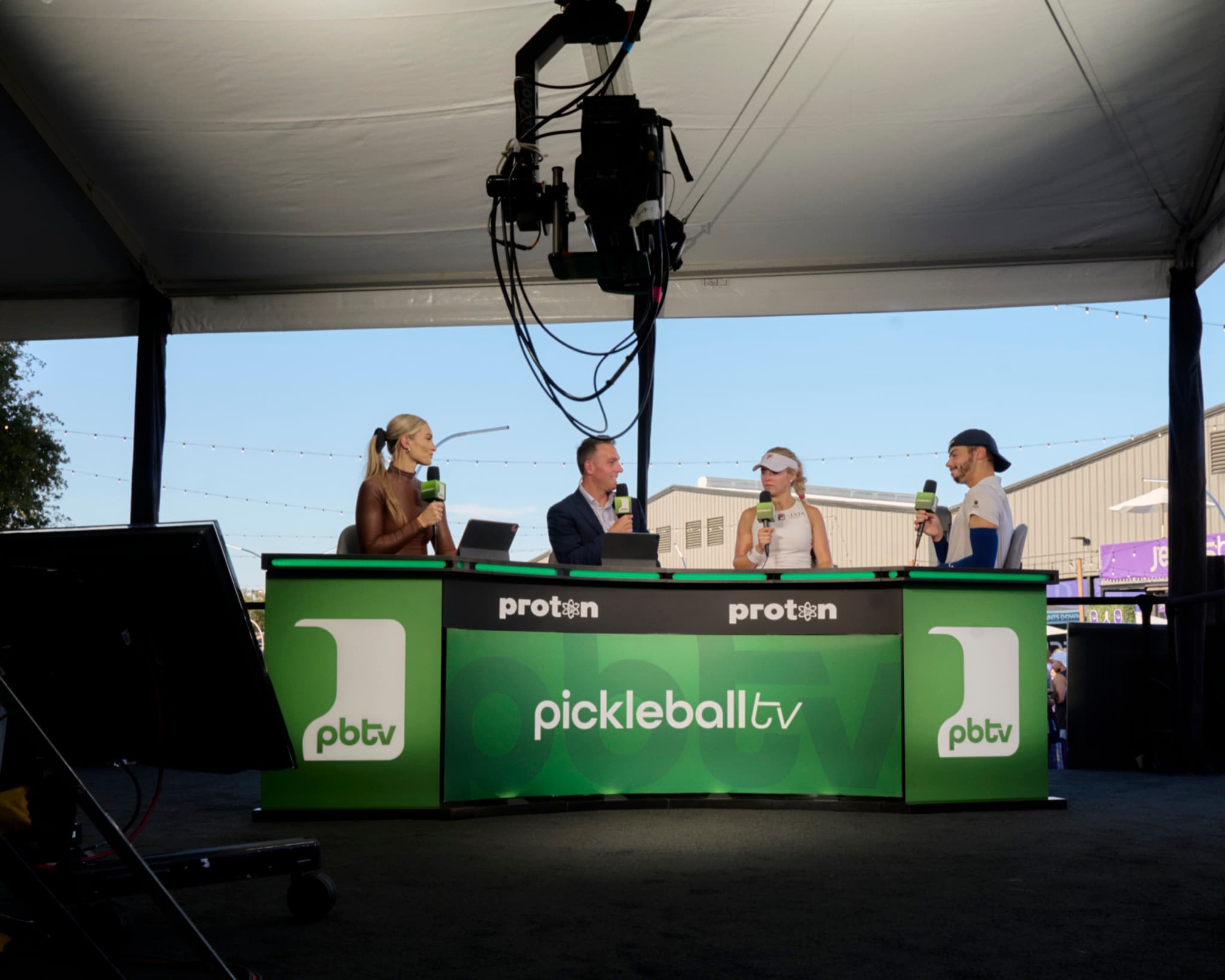
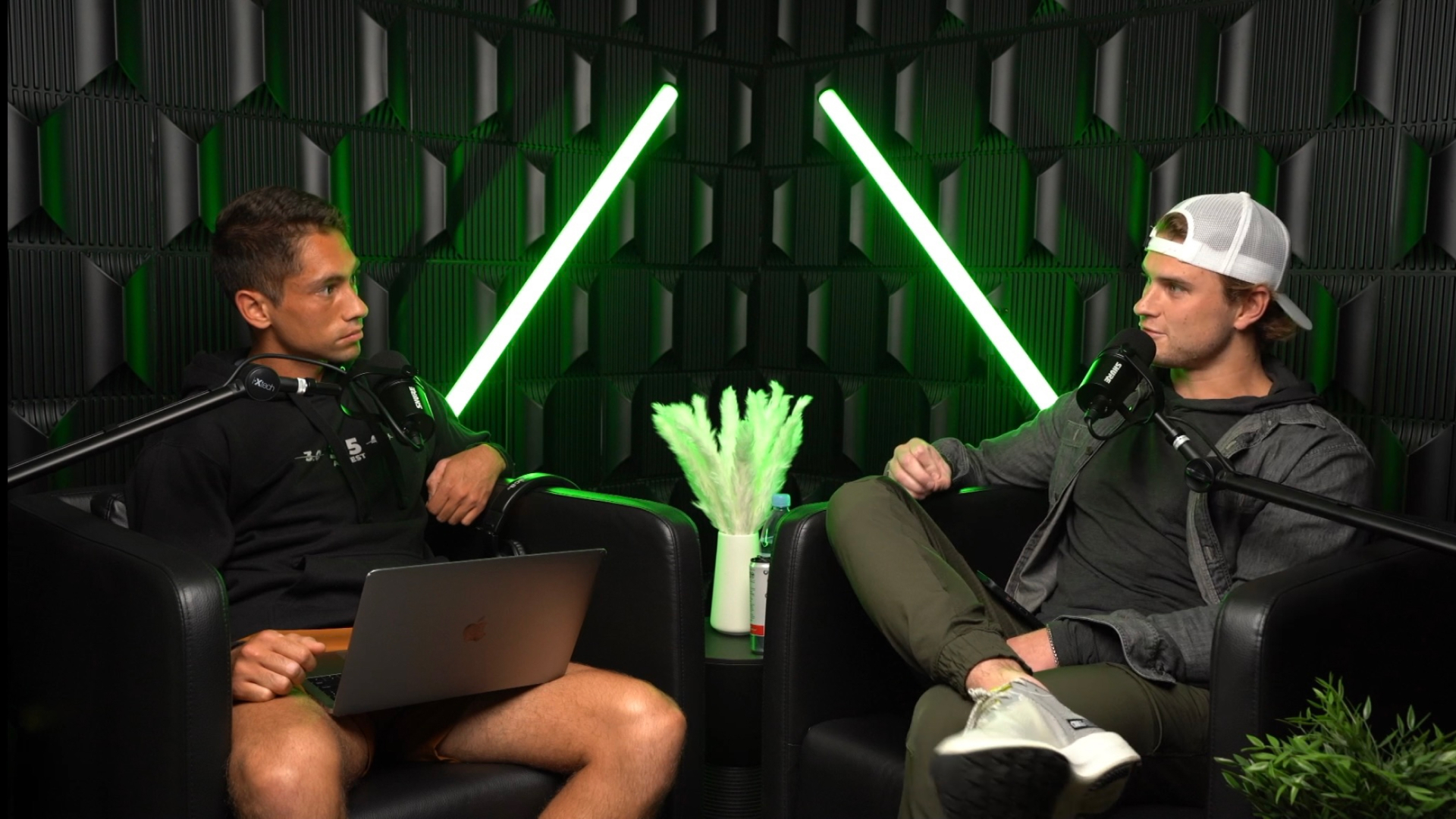
PicklePod studio conversation set / source image cached for local review · rights review requiredSOURCE-LINKED
Media Desk
PicklePod is the sport’s roundtable rail.
A weekly show can turn a tournament calendar into a conversation about people, tactics, money, and culture.
The Dink’s PicklePod page positions the show with pro Zane Navratil and Thomas from The Dink, and links listening with YouTube viewing. Its editorial lane sits between current events, strategy, interviews, and the sport’s louder arguments.
Dink Digest can borrow the structure without copying the voice: one headline, one match question, one player path, one culture note.
Podcast plus YouTube
Pro interview and tournament recap lane
Use as a discovery rail, not a source of unverified results
Big Dink Energy gives the issue permission to be funny without making the players the punchline.
Big Dink Energy describes itself as a pickleball-and-life podcast available on Apple Podcasts, YouTube, and Spotify. That distribution mix belongs in the media map because community attention is not only a standings table.
The Dink Digest humor desk keeps the joke observational: late arrivals, mystery partners, the ball that vanishes, and the mascot who has opinions about warm-ups.
Nineteen Southern California listings, one decision rail.
The SoCal calendar is most useful when it helps a player choose the next event, not when it becomes a wall of dates.
Data desk · route strip
A calendar needs a decision path
Dink Digest service model for public event listings
01Findcity · date · format→
02Checkhost · venue · cutoff→
03Chooselevel · partner · travel→
04Rechecklive status before play
A route strip is a desk model: confirm the host page before relying on a date, venue, or entry status. Unit: editorial decision step · September 2026 issue method.
The public Southern California calendar shows 19 tournaments in its current snapshot, spanning recurring DUPR events, pro-format weekends, charity events, and skill-level tournaments.
The desk should sort by geography, format, and time horizon. “What can I actually play?” is a better filter than “what exists?”
The next desk will follow results, court reopening, club leaders, and the people who keep showing up.
The expansion adds more local reporting lanes without pretending that cached images are publication-cleared or that a public listing is a confirmed booking. The next issue should refresh every live date, replace weak images, and add named interviews only after consent.
That is the editorial promise: more distinct stories, fewer generic pictures, and a useful route from headline to court.
Verify live results after the freeze
Refresh New York and Los Angeles court notices
Replace any asset that fails rights or relevance review