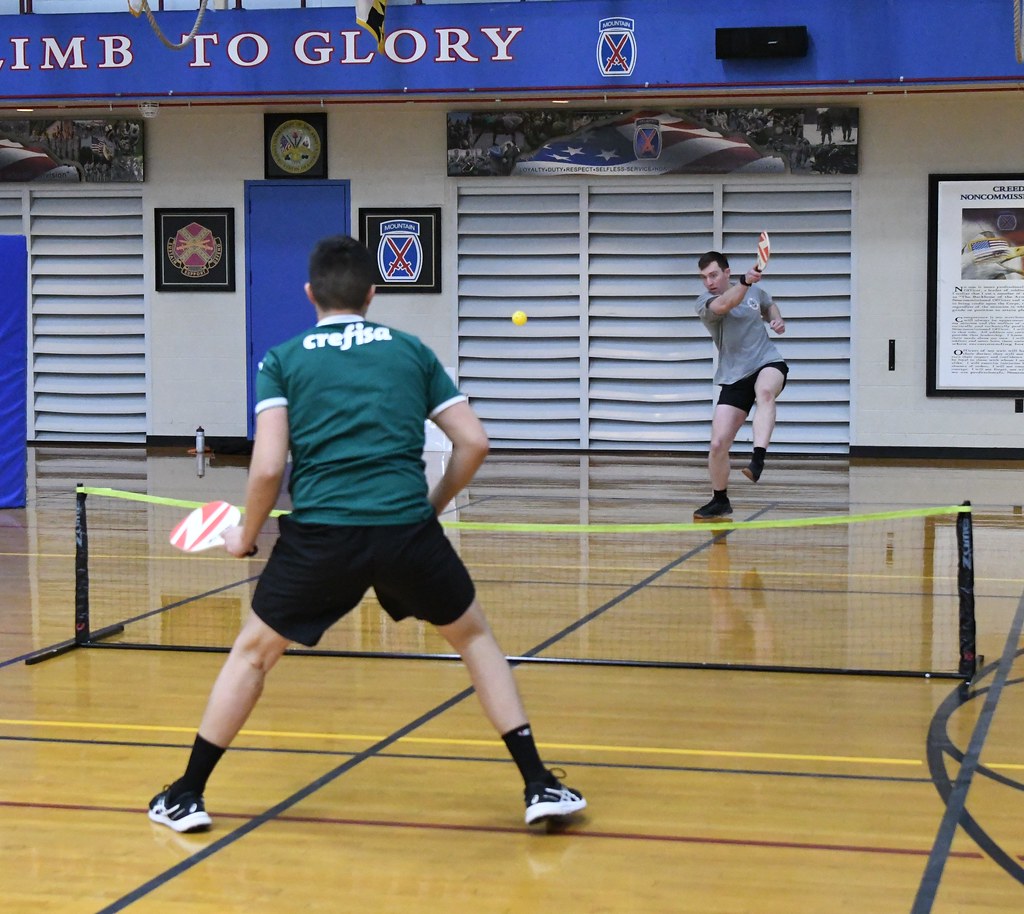
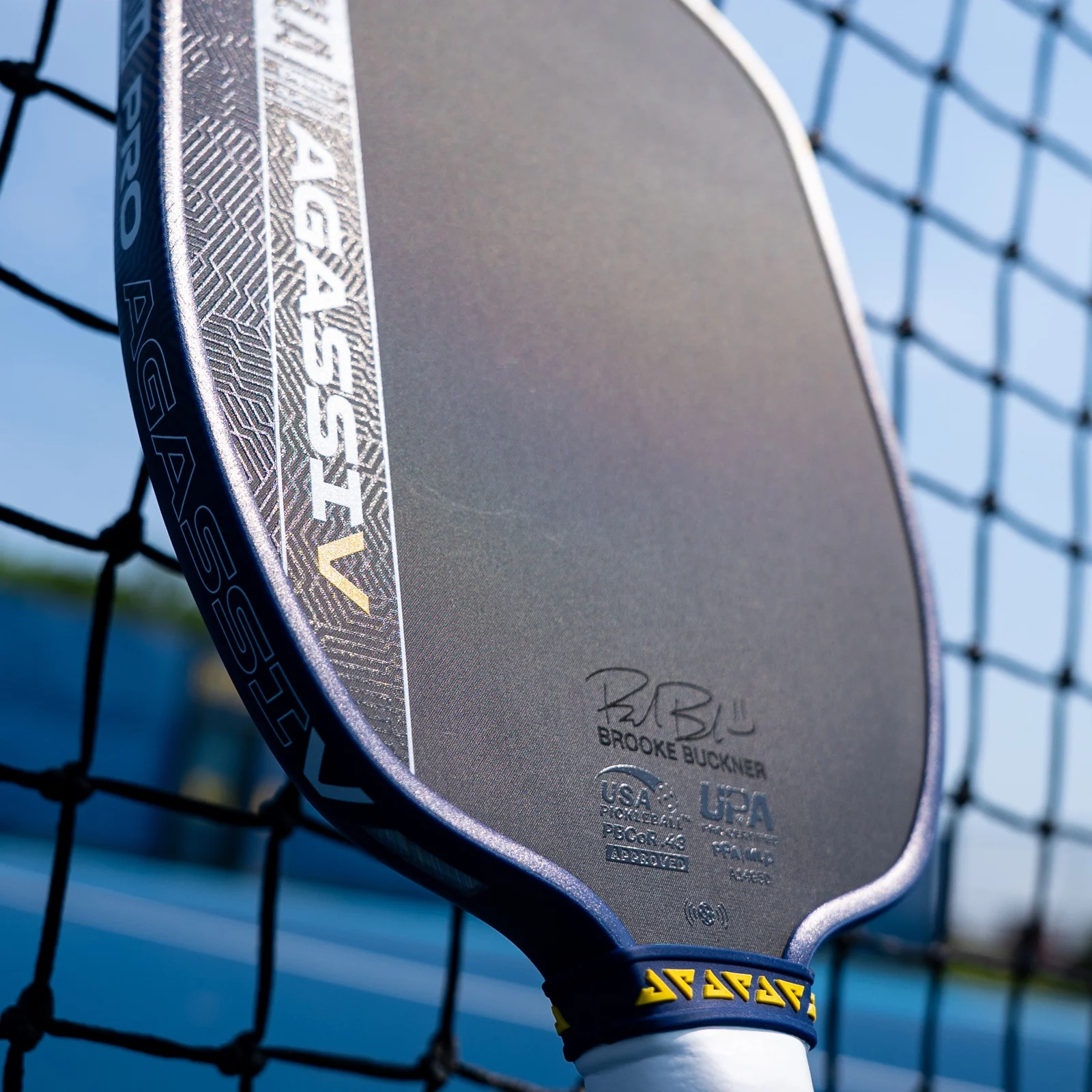
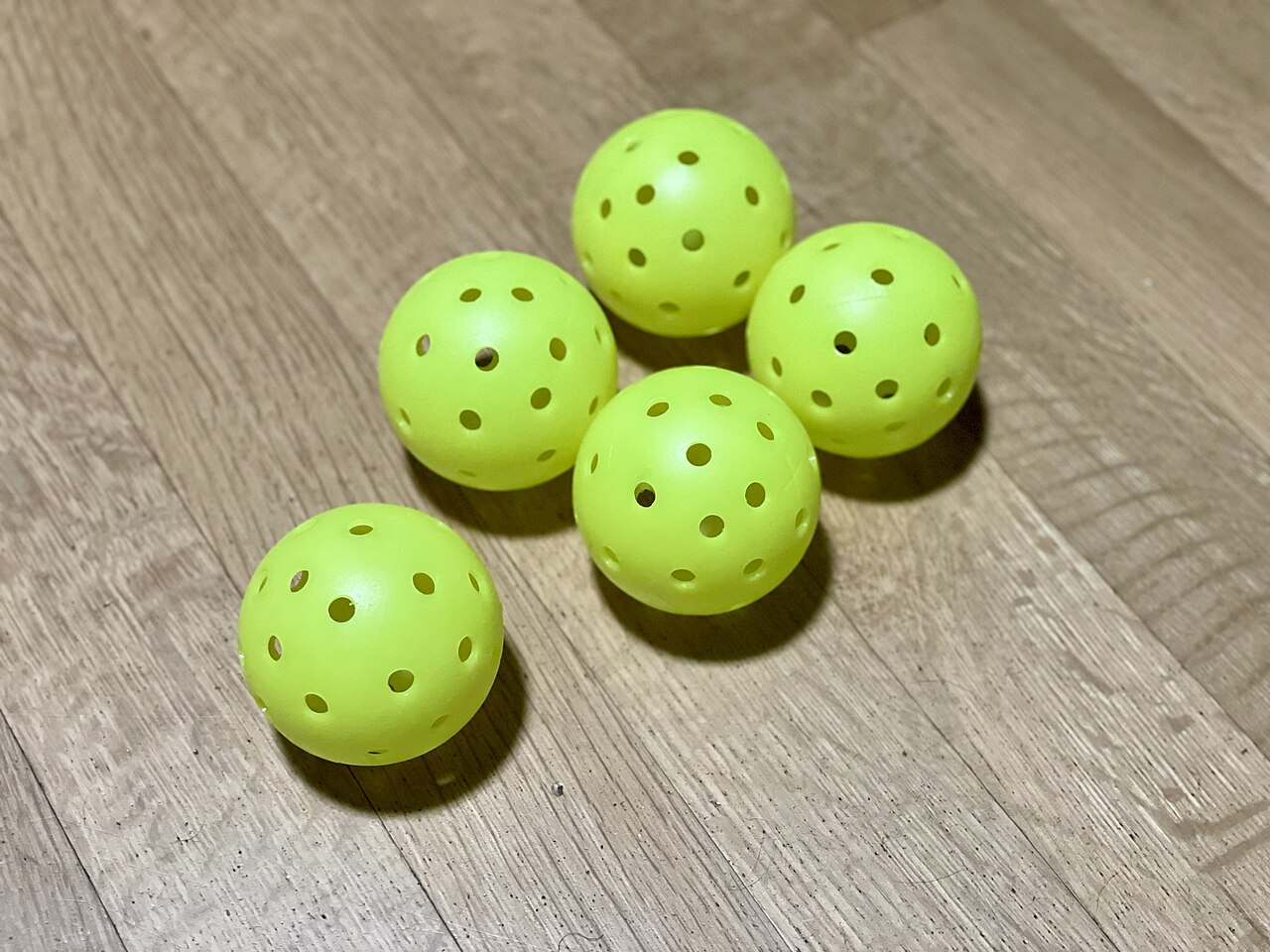
Court shoes earn their place in the fifth game.
Pickleball's lateral movement and quick stops put real demand on footwear — but we could not confirm pickleball-specific product claims from the athletic-footwear source in our research, so this page reports the gap honestly.
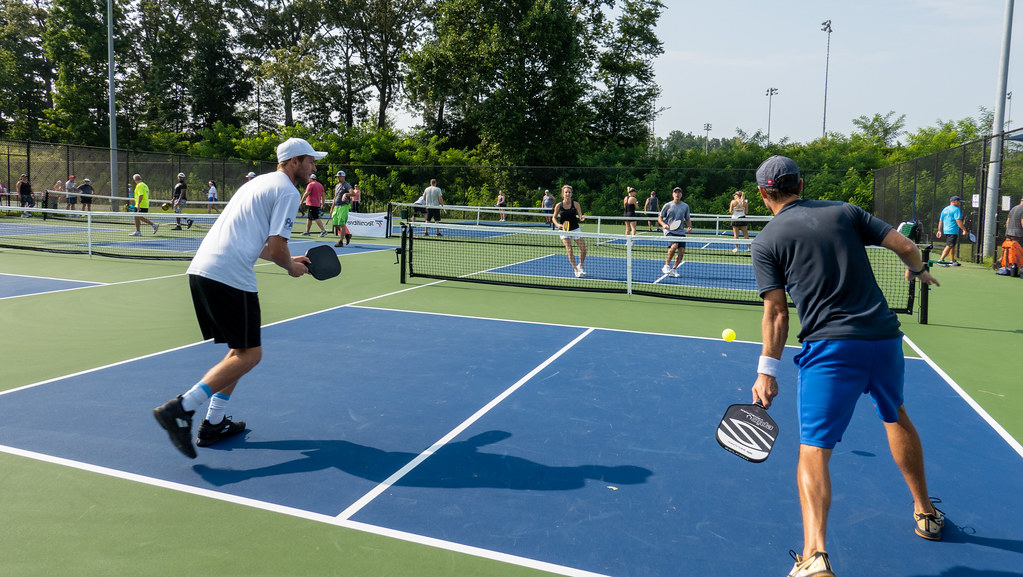
By the fifth game of a long session, footwear stops being a minor detail. Pickleball's movement pattern — lateral shuffles at the kitchen line, sudden stops, short sprints to a drop shot — is genuinely different from straight-ahead running, and generic running shoes aren't built for the same lateral loading.
A gap we're reporting instead of filling
This page originally cited a specific athletic footwear brand's pickleball-specific product claims. When we went back to verify that sourcing directly, the brand's page we could reach did not contain pickleball-specific content — only general running and lifestyle product listings.1 Rather than repeat an unverified product claim, we're flagging the gap.
The underlying physical argument still holds on its own terms, independent of any one brand: a shoe built for lateral court stability — wide platform, reinforced side support — serves a pickleball player's actual movement pattern better than a shoe optimized purely for forward-motion running.
Municipal Planning & Facility Capital Horizons
Beyond the immediate scheduling schedule, this facility illustrates the broader capital equation facing modern municipal planners. Converting public asphalt to dedicated court layouts is no longer an isolated park experiment; it represents a fundamental re-rating of recreational space efficiency.1 Where traditional tennis layouts support four players across 7,200 square feet, a multi-court pickleball footprint accommodates sixteen or more concurrent participants, quadrupling hourly throughput while concentrating court-wear dynamics on high-friction zones.1
For city agencies and concession operators, the ongoing operational bottleneck remains sound ecology and off-peak throughput management. High-frequency paddle impact at 1.2 kHz requires deliberate acoustic buffering, and the surrounding neighborhood stakeholders increasingly demand sound-mitigation curtains, verified decibel monitoring, and structured ladder rotations before greenlighting additional capital permits.1 As public recreation departments balance dedicated access against legacy court reservations, this location serves as a critical benchmark for urban density planning across the regional sports network.1
Sources
Every fact above comes from these public pages. Open the original to check it, or to read further.
- Dink Digest desk noteReporting limitation: pickleball-specific footwear claims unverified at capture timeChecked Sep 28, 2026
Chapter 05 · Craft & GearRead it in the issue →